Introduction: History on Canvas
Art has always been more than decoration—it is a record of battles, victories, and ideals. Spend a couple of days exploring the paintings of the American Revolution, and you will see how brushstrokes captured the fight for independence as vividly as history books.
From stirring battlefield scenes to grand portraits of leaders, American Revolution art helped to shape generations’ memories of the struggle for freedom. These works tell us what happened, and how a young nation wanted to be remembered—brave, united, and destined for liberty.
The Declaration of Independence by John Trumbull
Perhaps the most famous American Revolution painting, John Trumbull’s Declaration of Independence (1817–1819) depicts the presentation of the draft document to Congress on 28 June 1776.
Symbolism:
The room is idealised, not historically precise, to emphasise unity and order.
The central focus on Jefferson, Adams, and Franklin reinforces their status as architects of liberty.
By showing delegates as calm and dignified, Trumbull’s work celebrated the birth of democracy, rather than the conflicts of those times.

John Trumbull “Declaration of Independence” (1819)
Washington Crossing the Delaware by Emanuel Leutze
Painted in 1851, Leutze’s dramatic canvas is not from the Revolution itself but remains one of the most iconic paintings of the Revolutionary War. It shows George Washington leading troops across the icy Delaware River before the Battle of Trenton.
Symbolism:
Washington stands tall, embodying leadership and courage.
The rising sun suggests hope for a new nation.
Soldiers of varied backgrounds (farmers, immigrants, African Americans) symbolise unity.
Although historically inaccurate in details, its theatrical heroism shaped how generations imagined Washington and the Revolution.
The Surrender of Cornwallis by John Trumbull
Another monumental Trumbull work, The Surrender of Cornwallis (1820), captures the British defeat at Yorktown in 1781, effectively ending the war.
Symbolism:
Cornwallis is not present; instead, his second-in-command offers the surrender, showing British reluctance.
American and French troops stand together, highlighting international alliances.
The balance of power and dignity emphasises reconciliation, not humiliation.
This painting reinforced the Revolution’s narrative as a just and noble victory.

Charles Willson Peale “George Washington after the Battle of Princeton” (1782)
Other Independence Paintings Worth Noting
Portraits by Charles Willson Peale
Peale painted many leaders of the Revolution, including Washington, Jefferson, and Hamilton. His portraits were not just likenesses but patriotic symbols, immortalising the faces of independence.
Battle Scenes by Alonzo Chappel
Chappel’s 19th-century works such as Battle of Bunker Hill became staples in classrooms and textbooks, making American Revolution easy drawings accessible for students and teachers.
Allegorical Paintings
Artists also used allegory—figures of Liberty, eagles, and flags—to represent ideals of freedom. These famous American Revolution paintings elevated the conflict from battles to universal principles.

Paul Revere "Boston Massacre" (1770)
Art from the American Revolution: Shaping Public Memory
These paintings were more than art—they were celebration, propaganda, education. By depicting leaders as heroic and battles as righteous, they unified a new nation.
Educational Role: Reproductions appeared in schools, engravings circulated widely, and imagery entered textbooks.
Political Role: Paintings validated the Revolution as just, inspiring citizens to cherish democracy.
Cultural Role: They embedded independence into collective memory, ensuring that the Revolution lived beyond history books.
Independence Painting: Symbolism of Freedom
Art during and after the Revolution was not limited to battle scenes. Portraits of leaders, allegories of Liberty, and celebrations of unity created a visual vocabulary for freedom.
Liberty was often shown as a classical goddess holding a cap and pole.
The American eagle appeared as a patriotic emblem.

American Revolution Easy Drawings: Education and Inspiration
For students, history often begins with sketches. Simplified drawings of Washington, flags, or battle scenes are a way into complex history.
Examples of easy projects:
- Drawing Washington crossing the Delaware as a classroom exercise.
- Sketching Liberty holding a flag to represent ideals
- Creating comic-strip style retellings of battles.
Such easy drawings on the topic of American Revolution make history interactive, inspiring creativity while teaching national values.
TrendGallery Integration: Echoes of History in Modern Art
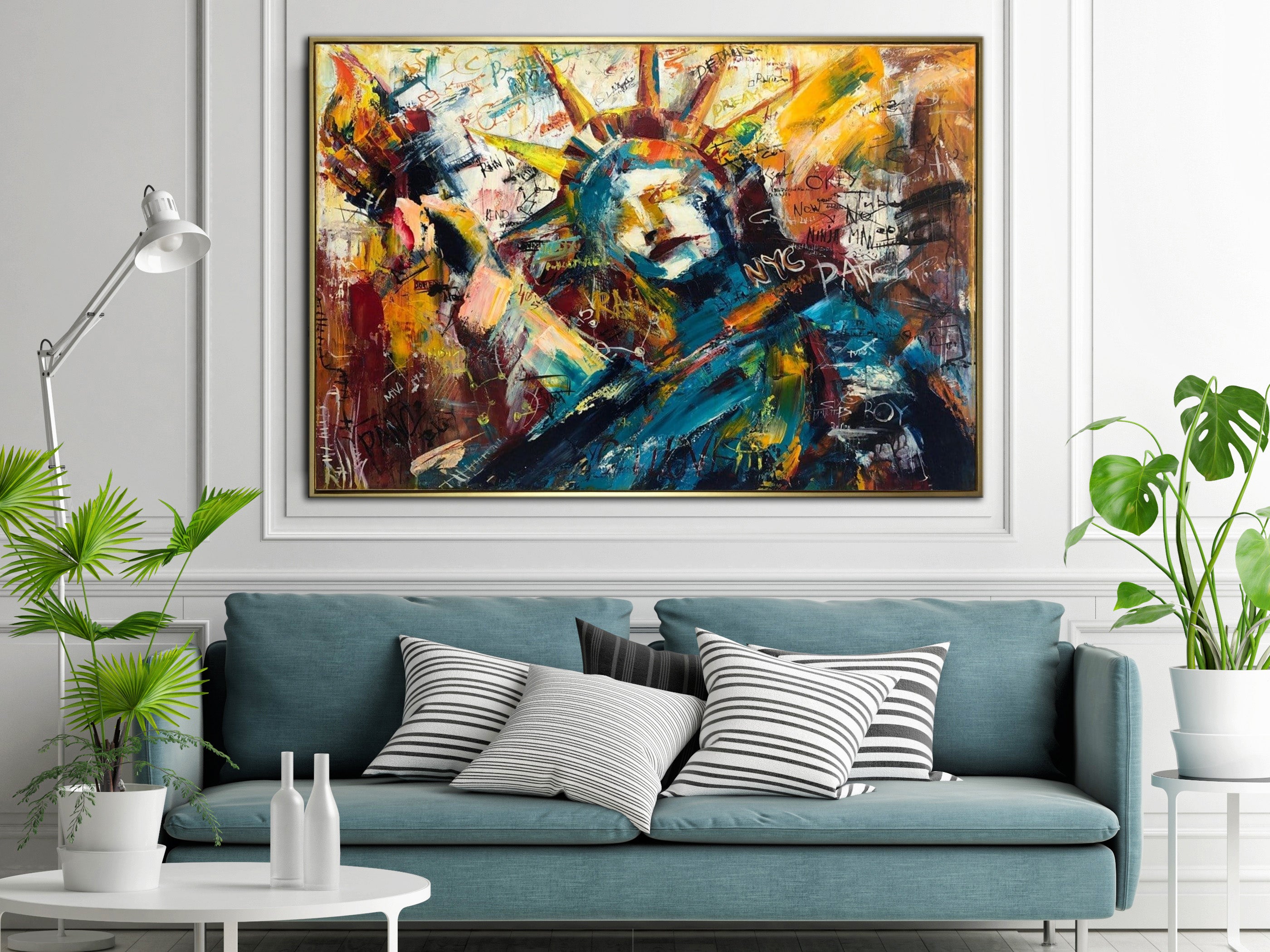
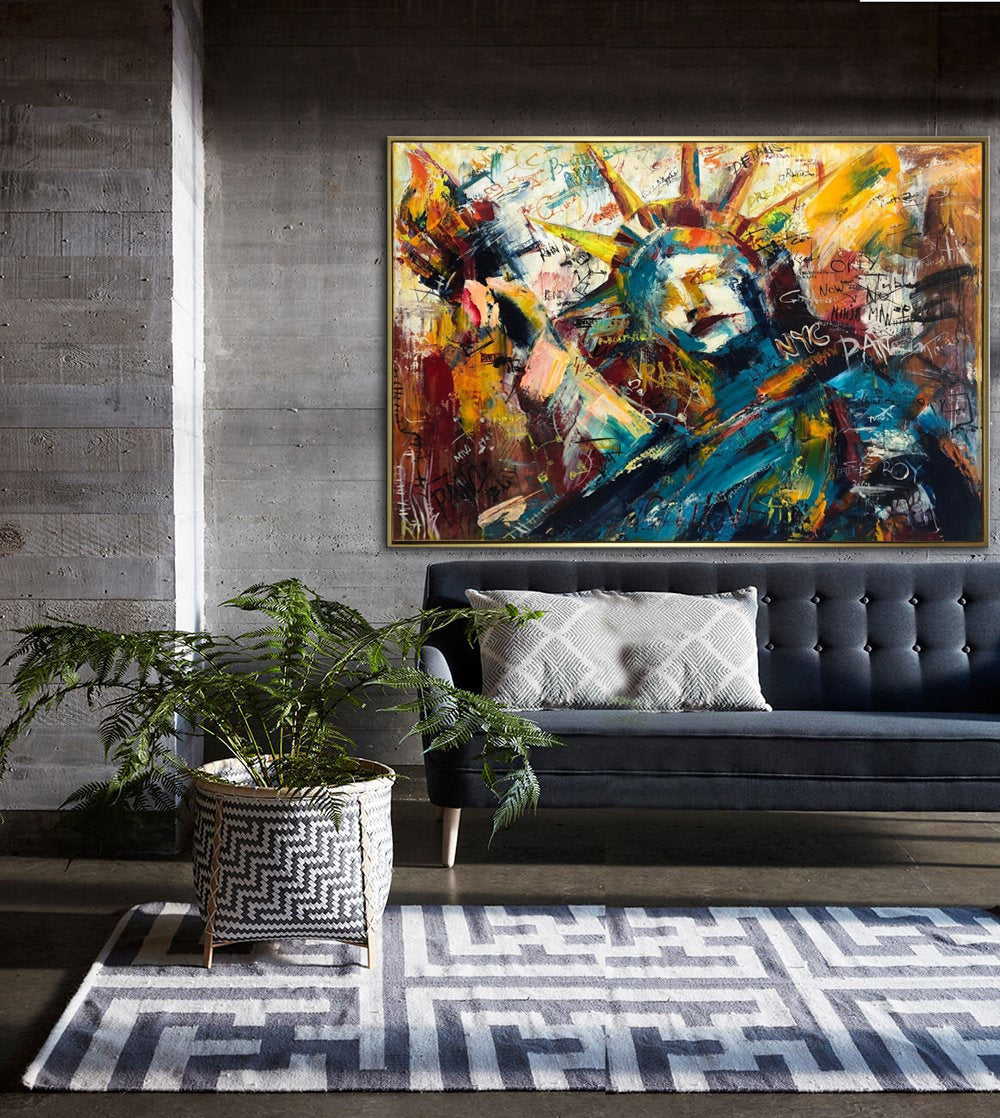
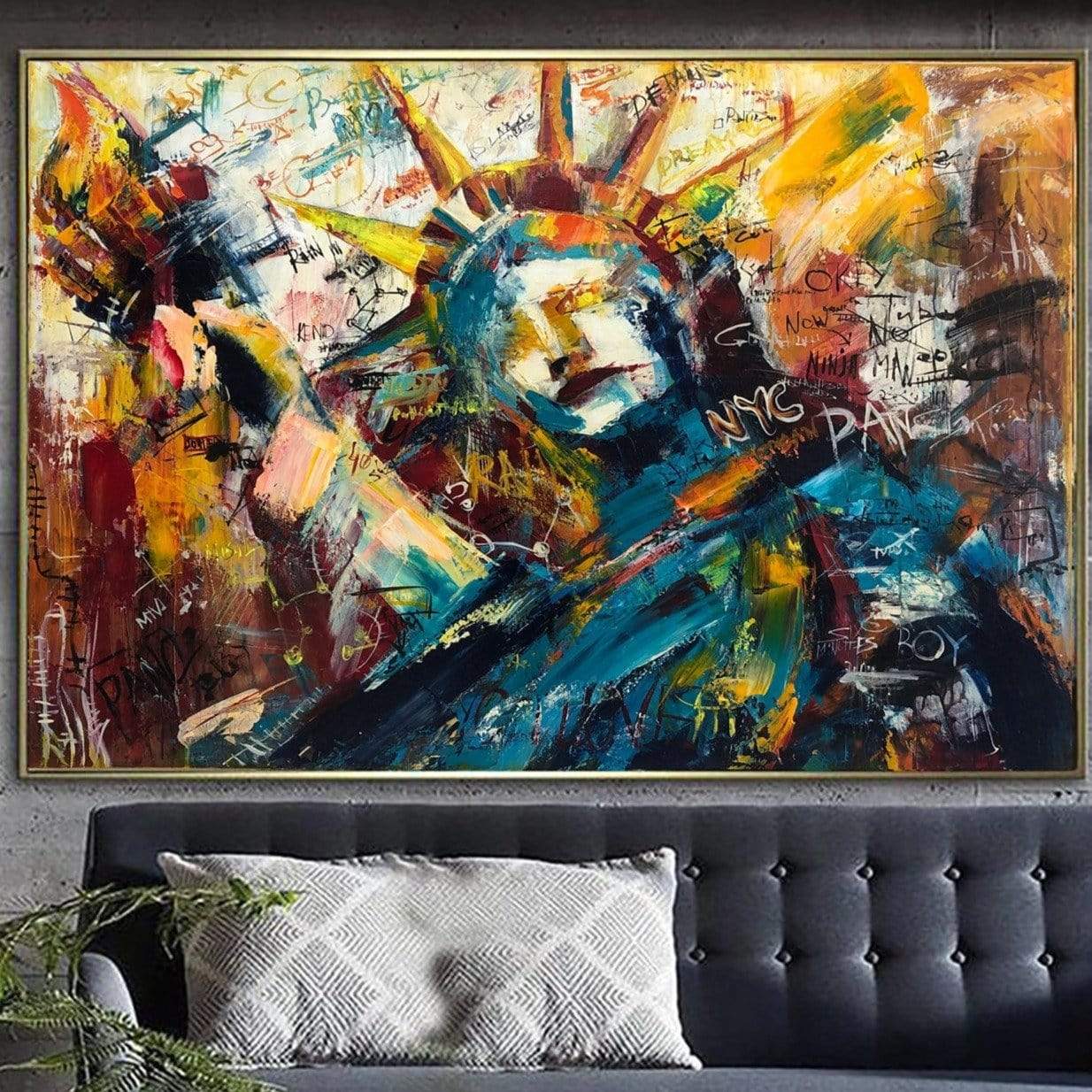
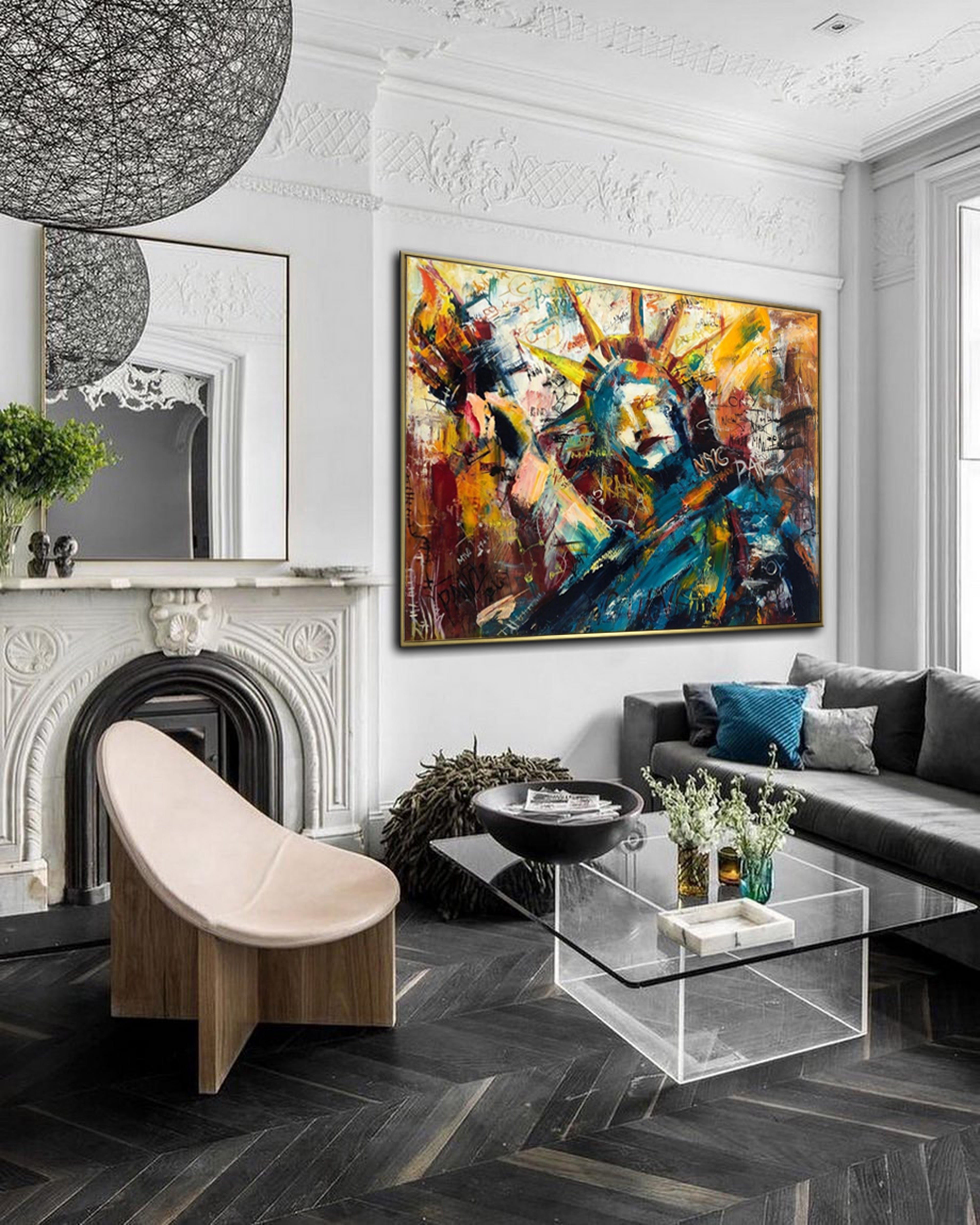
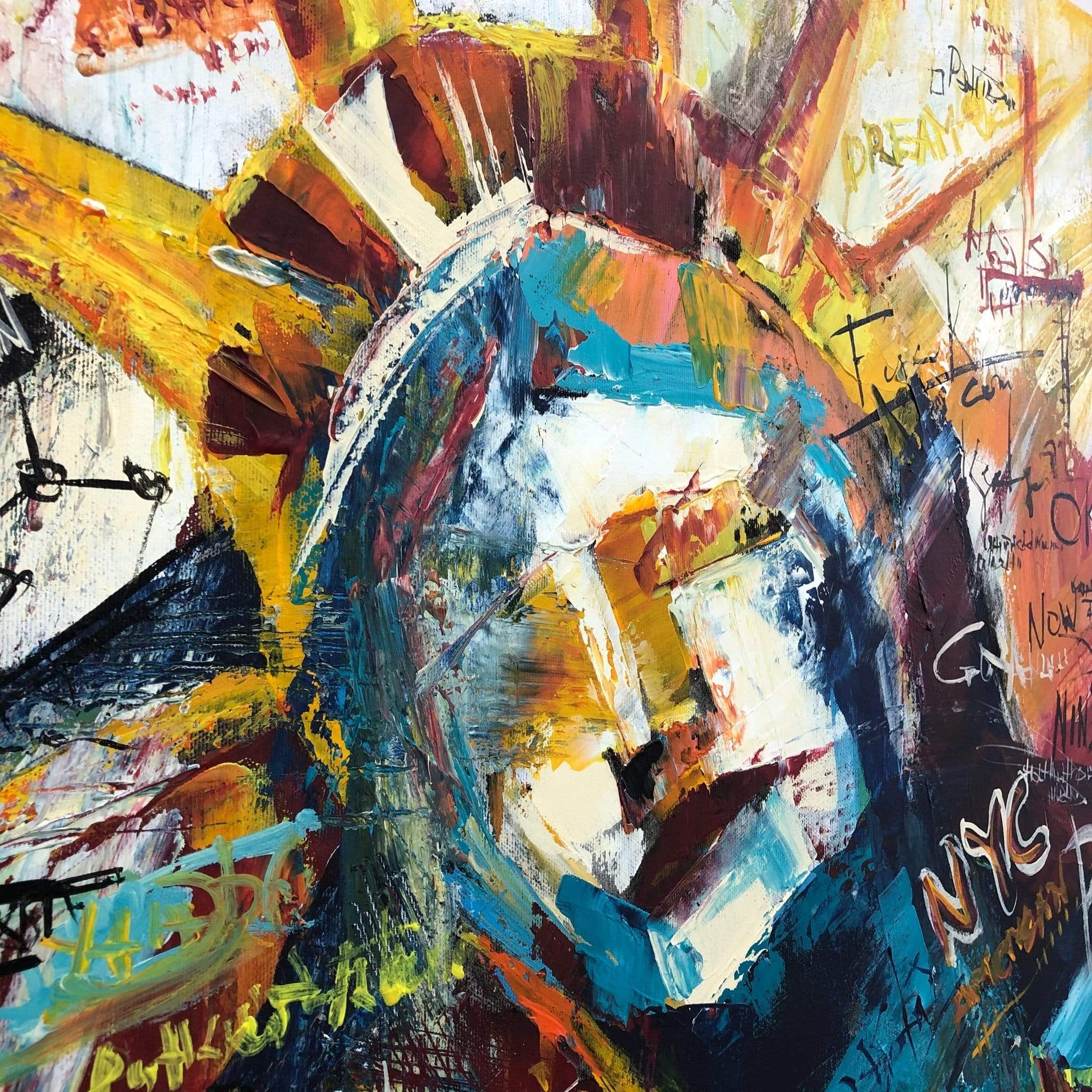
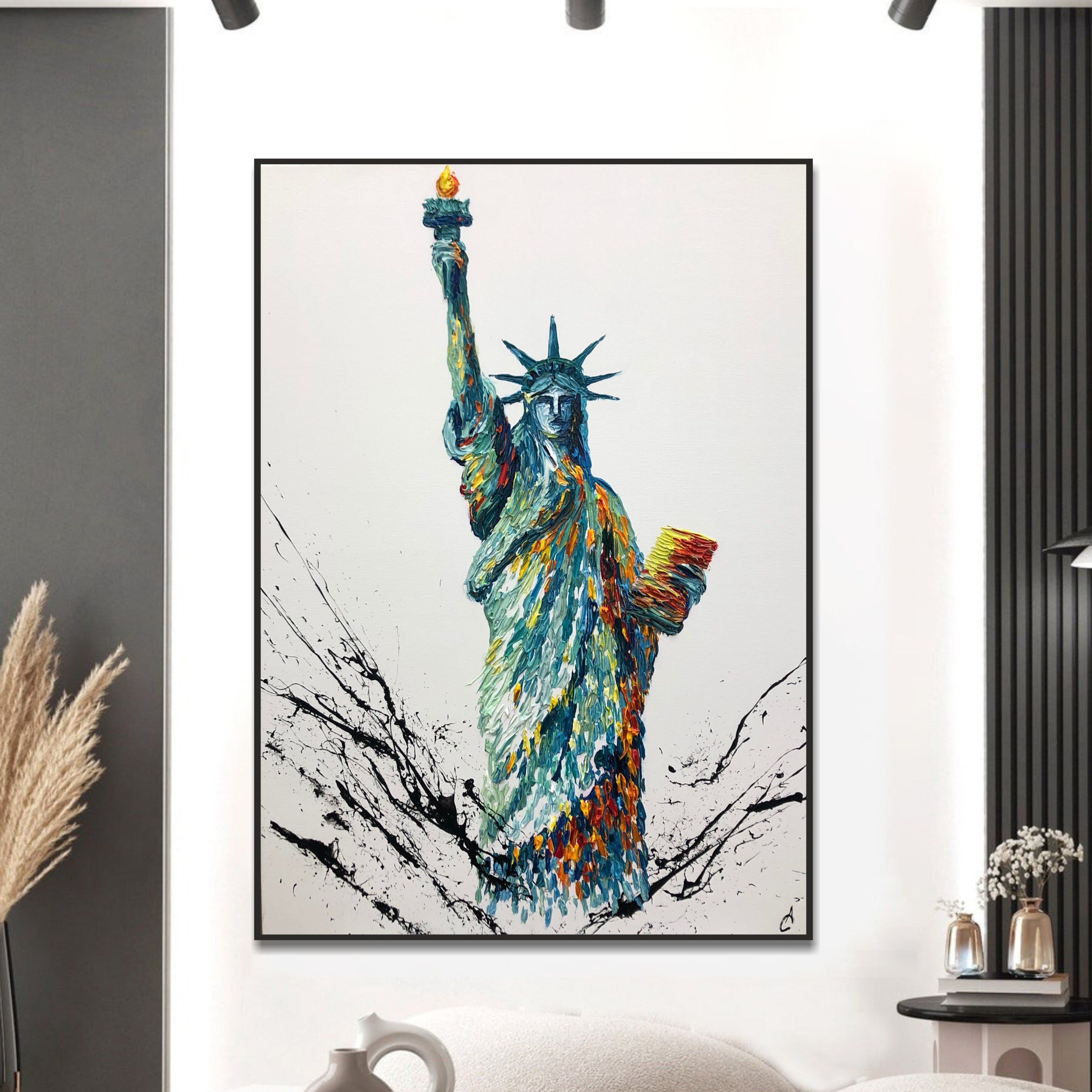
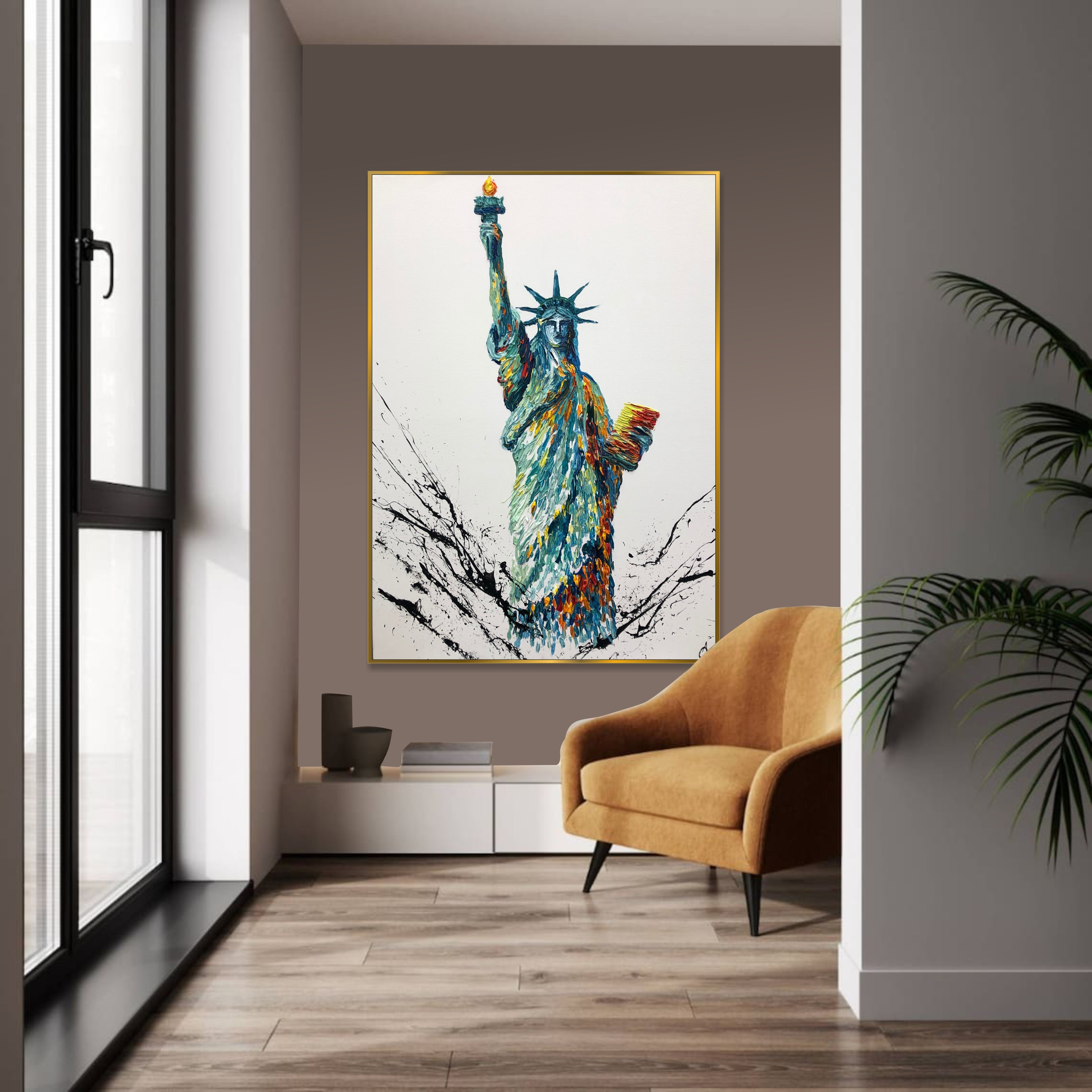
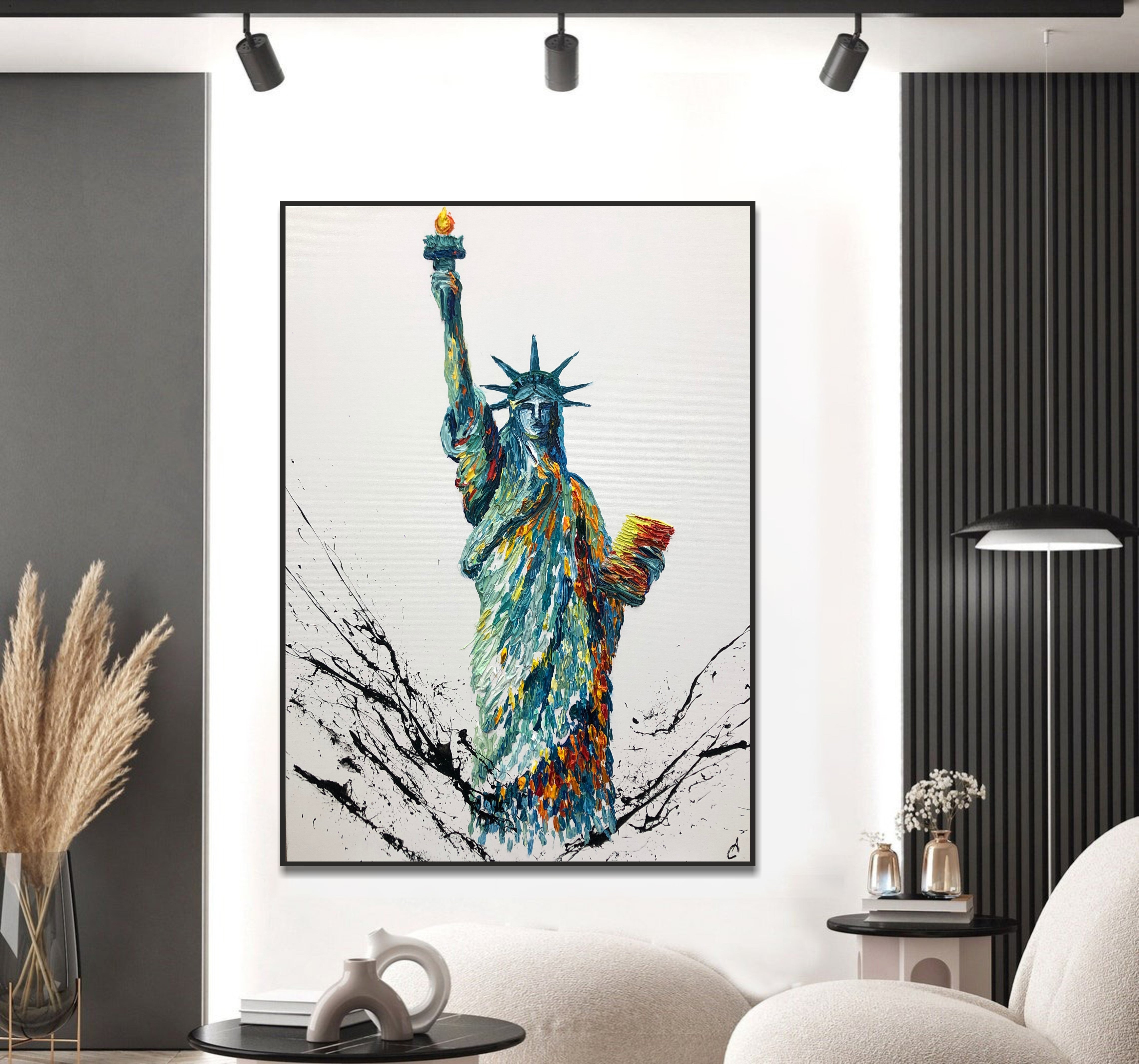
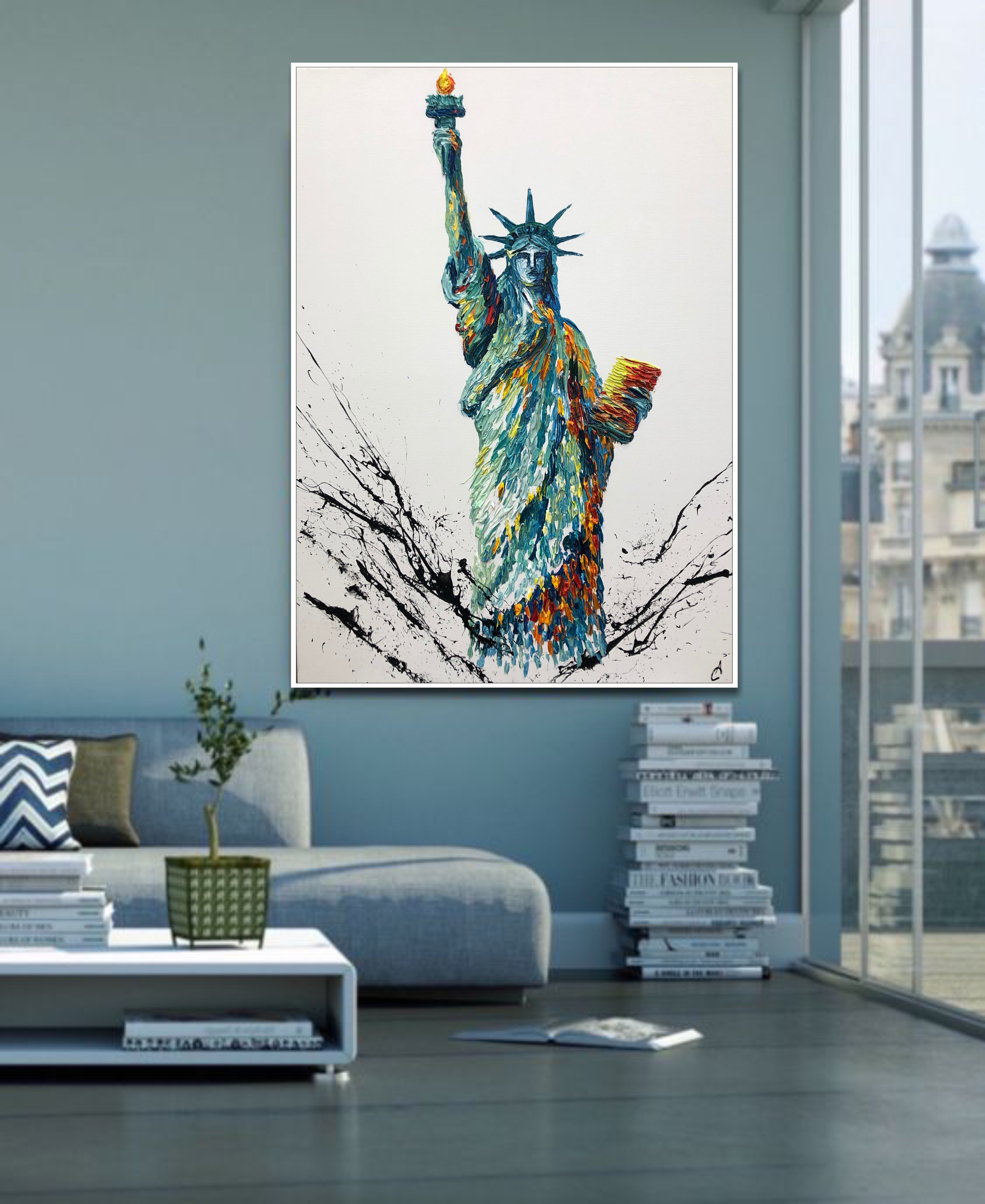
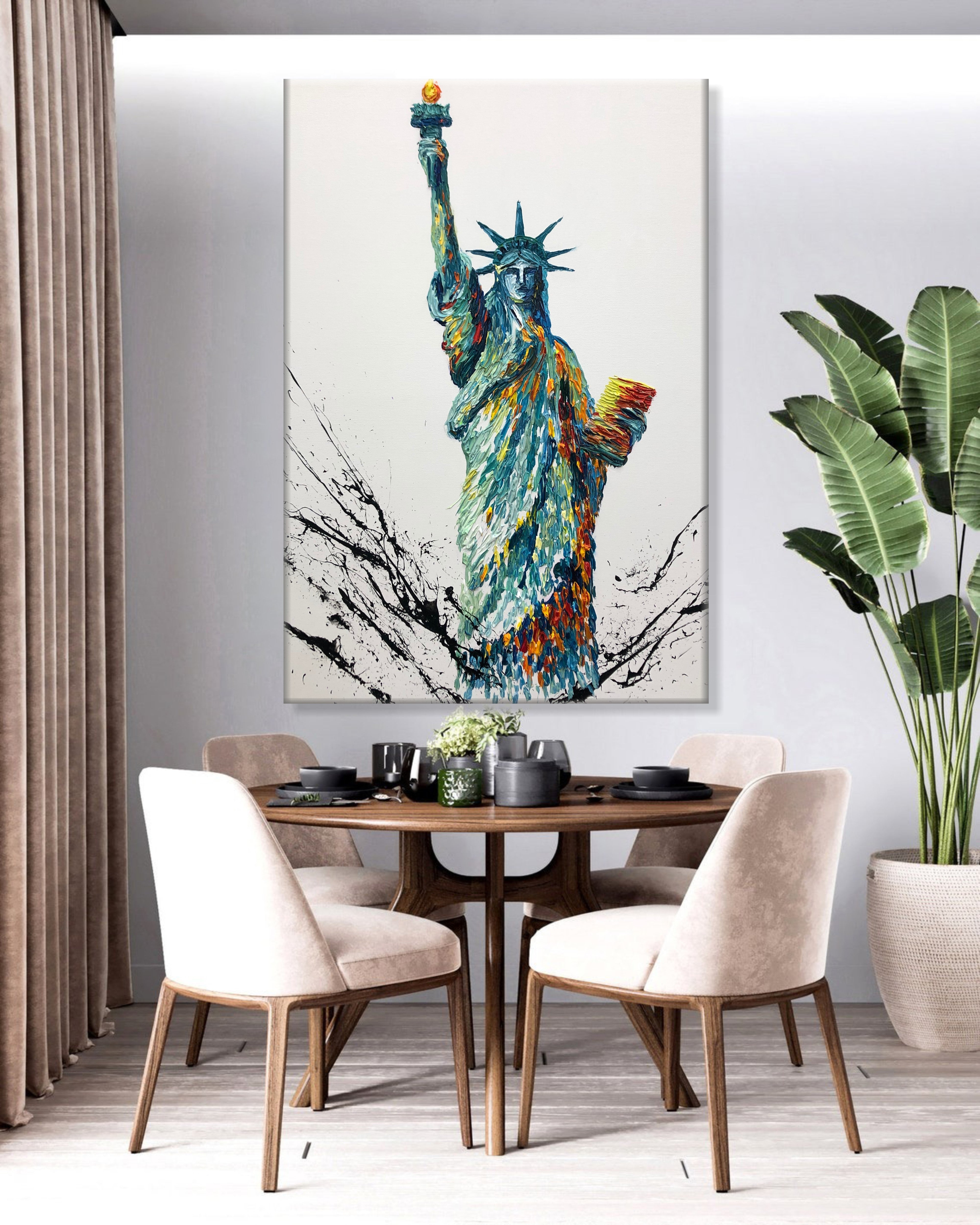
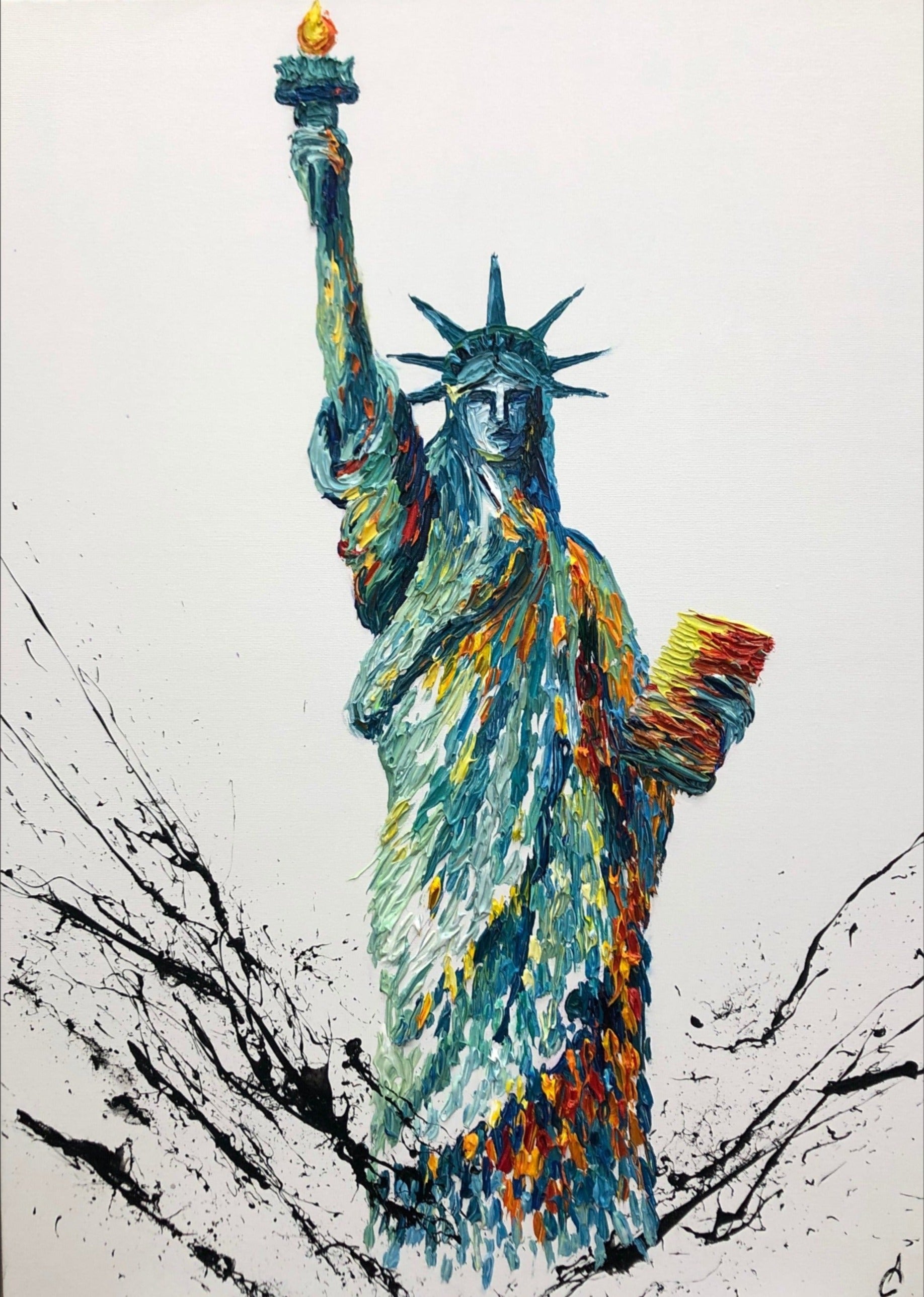
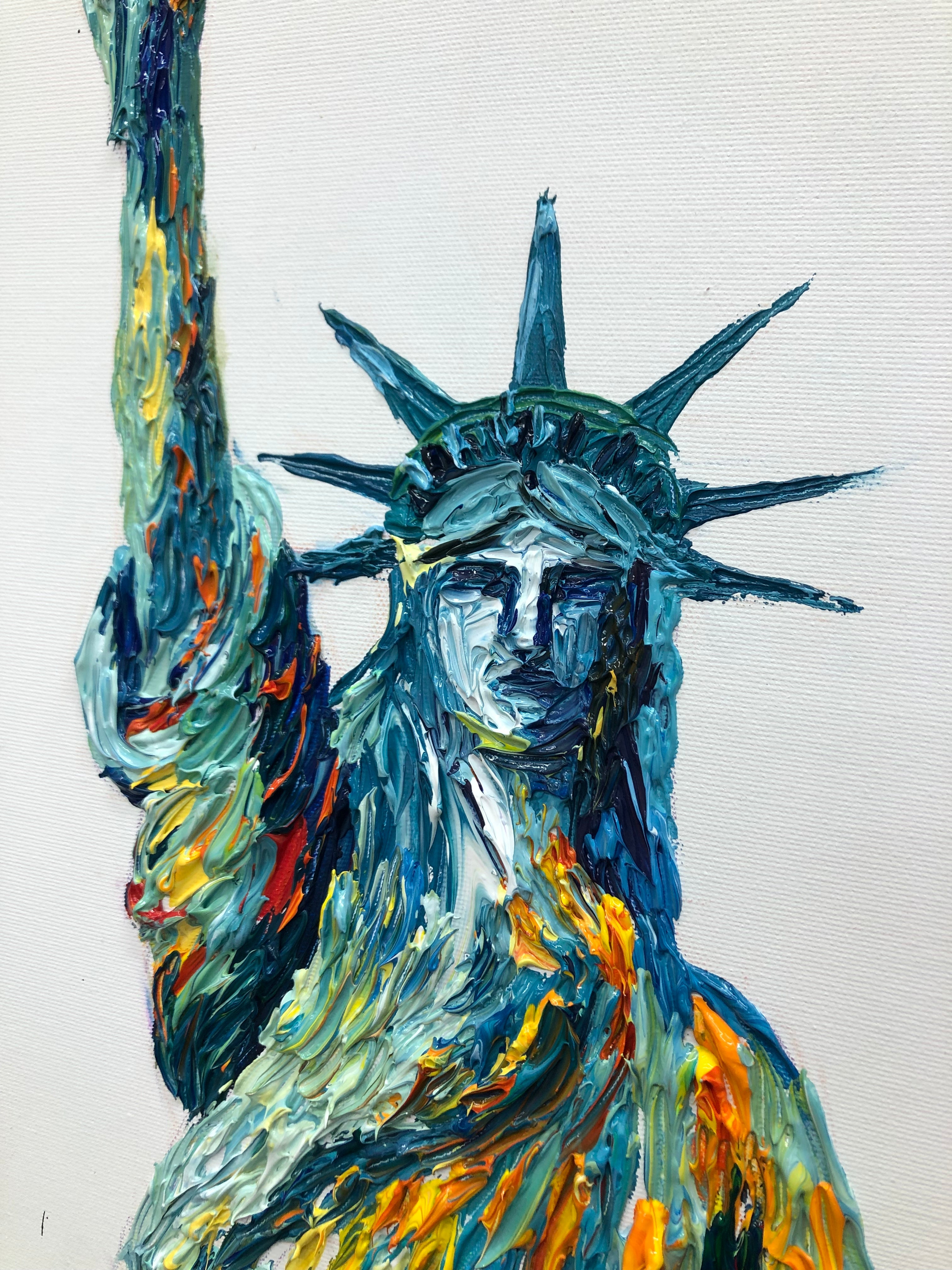
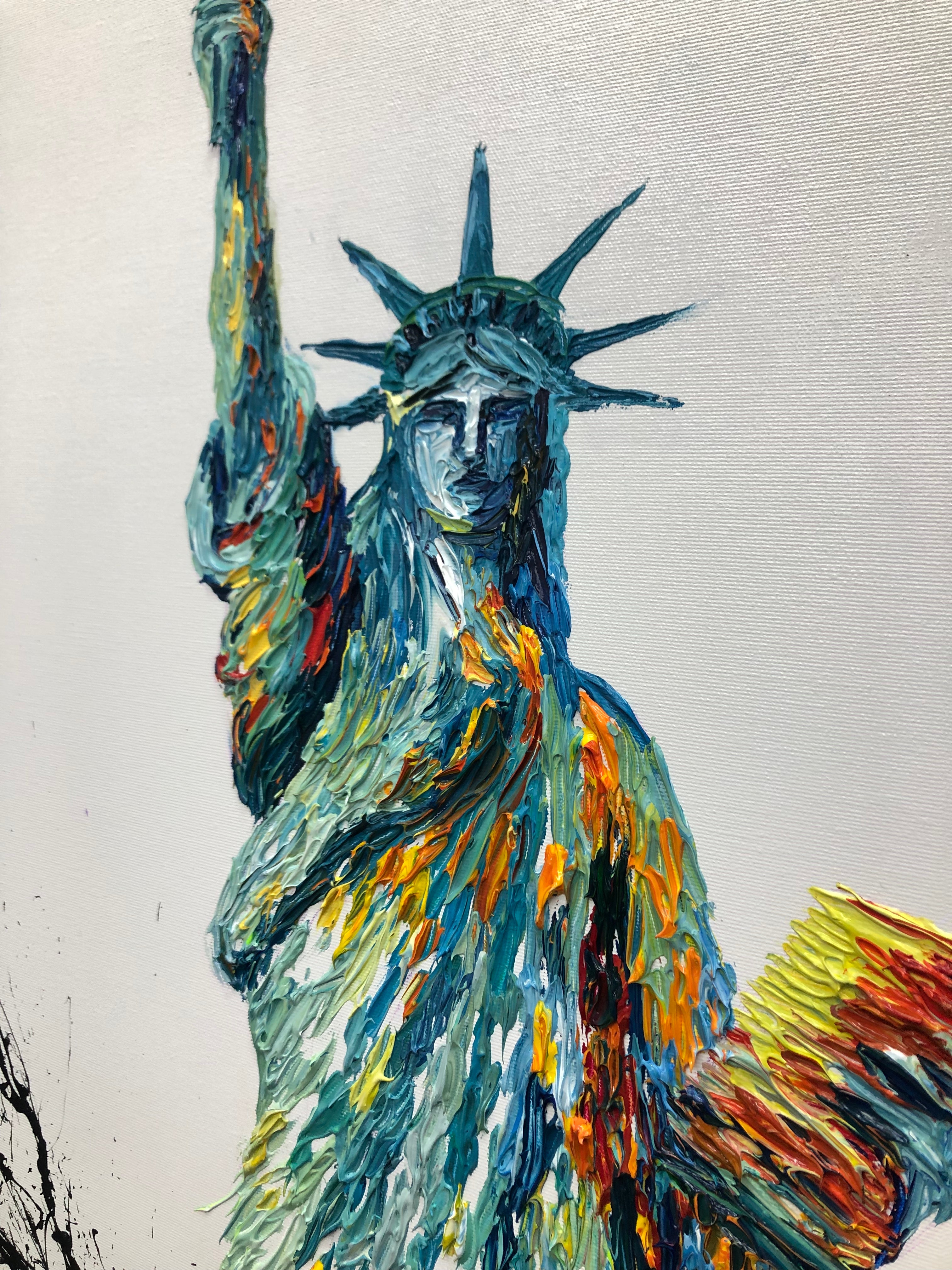
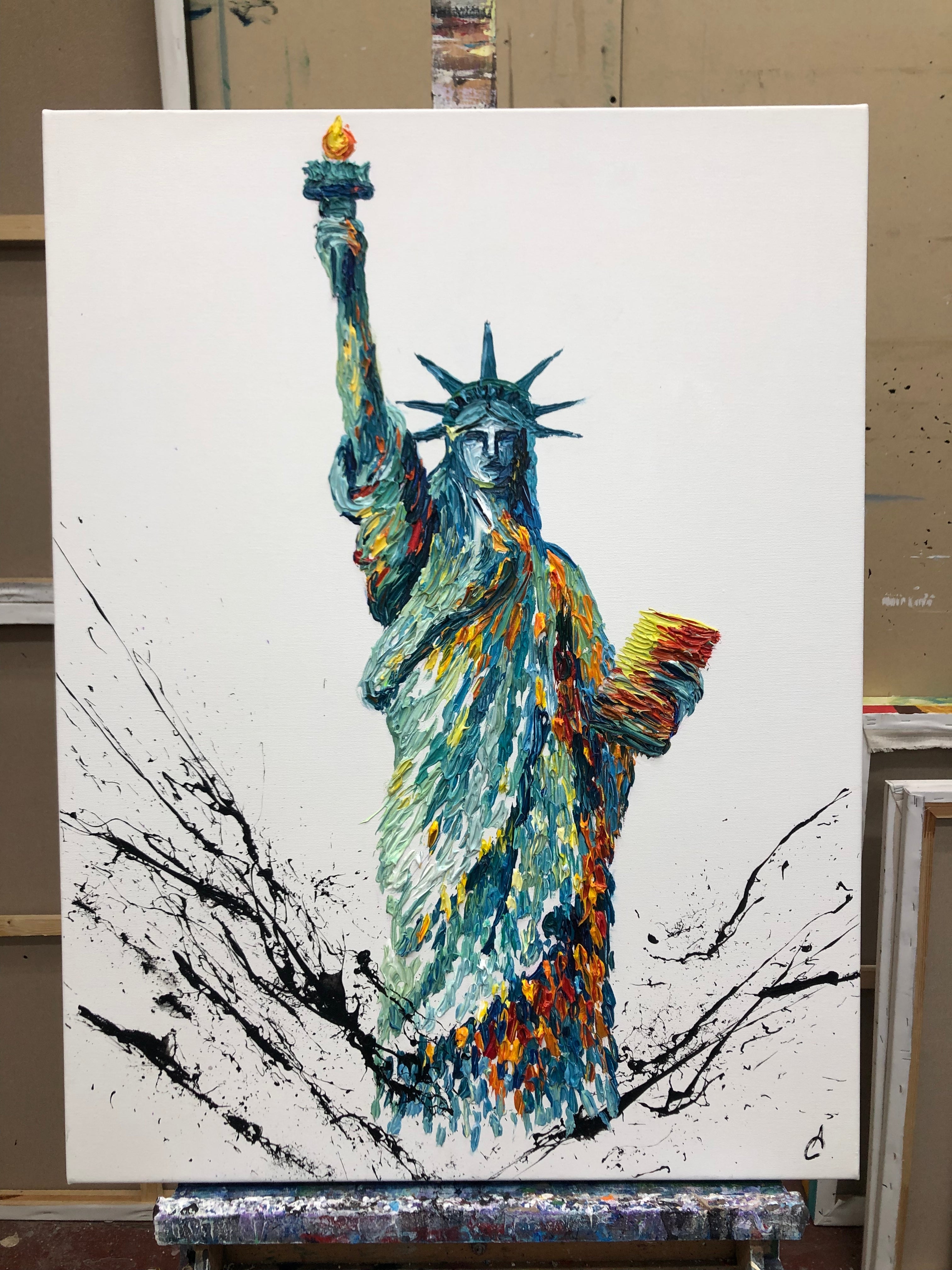
While the famous American Revolution paintings belong to museums, their energy can inspire modern spaces. TrendGallery.art is a team of artists creating hand-painted canvases that, like Revolutionary works, combine symbolism and atmosphere.
Notable examples:
“BULL” (£980) – raw, primal energy that mirrors the drama of battle scenes.
“SOUL MEDITATION” (£650) – layered blues evoking reflection and resilience, akin to allegorical works of Liberty.
“OCEAN DEPTH” (£720) – abstract power and movement, reminiscent of Leutze’s stormy Delaware waters.
Just as Revolutionary art brought ideals to canvas, TrendGallery creates contemporary works that bring meaning, depth, and boldness into modern homes.
Table: Famous Paintings of the American Revolution and Their Themes
Conclusion: Living with the Spirit of Independence
From Trumbull’s dignified delegates to Leutze’s heroic Washington, paintings of the American Revolution not only depict the historical events, but tell us what freedom means. These famous American Revolution paintings still inspire awe, reminding us that art is history, identity, and celebration.
Celebrate that history in your own space. TrendGallery’s artists reinterpret styles from every era, creating custom works that honour tradition and match today’s homes at the same time.
➡️ Explore TrendGallery.art and bring the spirit of independence into your walls.