8 Surprising Facts about Pop Art You Probably Didn’t Know

Introduction: Why Pop Art Still Shocks and Inspires

Have you ever wondered why a soup can become a global icon of art? Pop Art challenged everything we thought we knew about painting, and left us with some of the challenging and bold visuals in modern history. From Marilyn Monroe’s face to comic book speech bubbles, Pop Art transformed consumer culture into colourful masterpieces that still influence fashion, music, and design trends.

1. The Origins of Pop Art

LADY BIRD from $304
LADY BIRD from $304
LADY BIRD from $304.57+
LADY BIRD from $304
size up to 114"x114"
LADY BIRD from $304
frame option
LADY BIRD from $304
free worldwide shipping
1/2

Pop Art was born in London during the 1950s. The Independent Group, led by Eduardo Paolozzi, began experimenting with images from advertising, comic strips, and mass culture. Their collages presented the ways of popular culture shaping the post-war society. American products and media deeply fascinated these British intellectuals, setting the stage for a new movement.

2. Pop Art as Critique of Entertainment


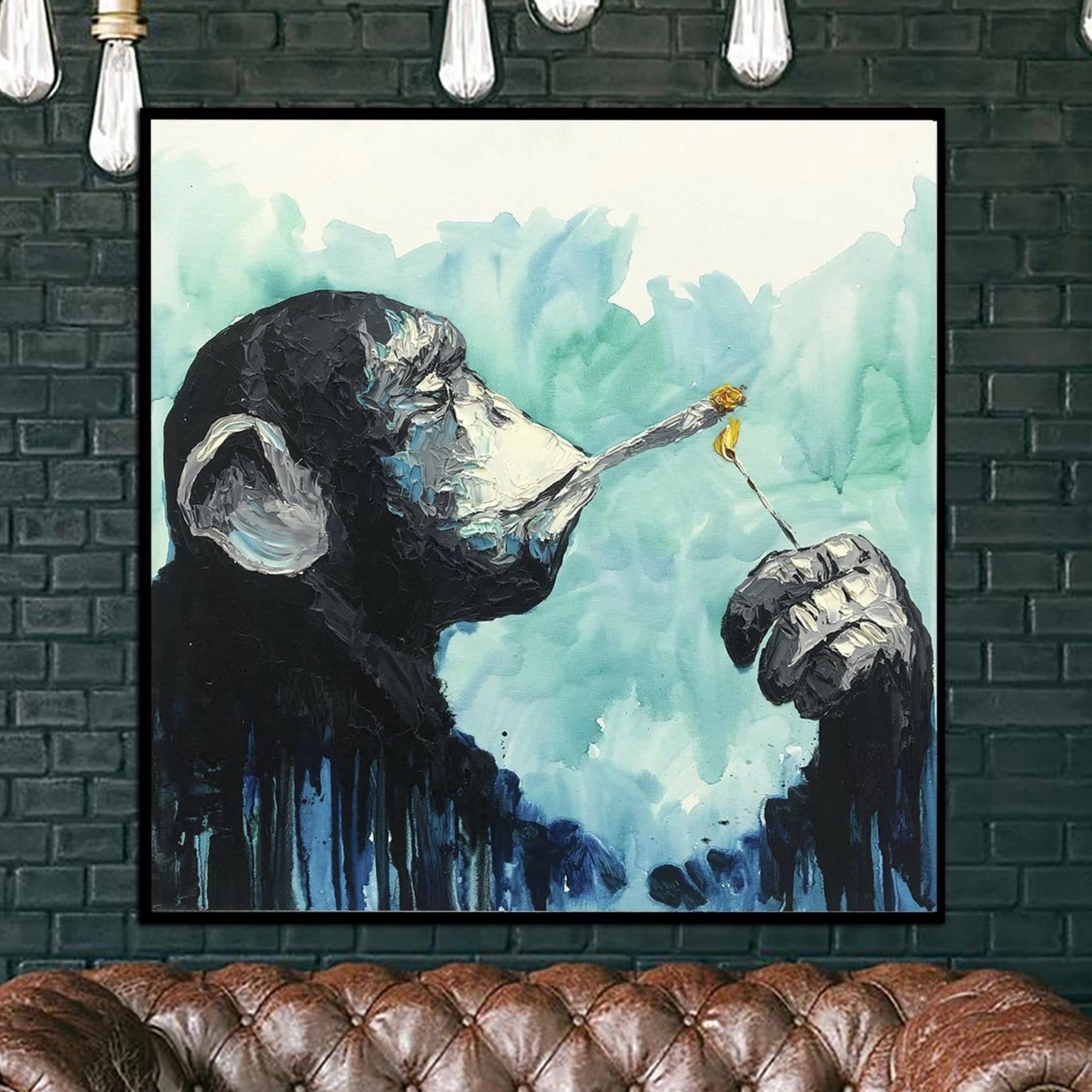
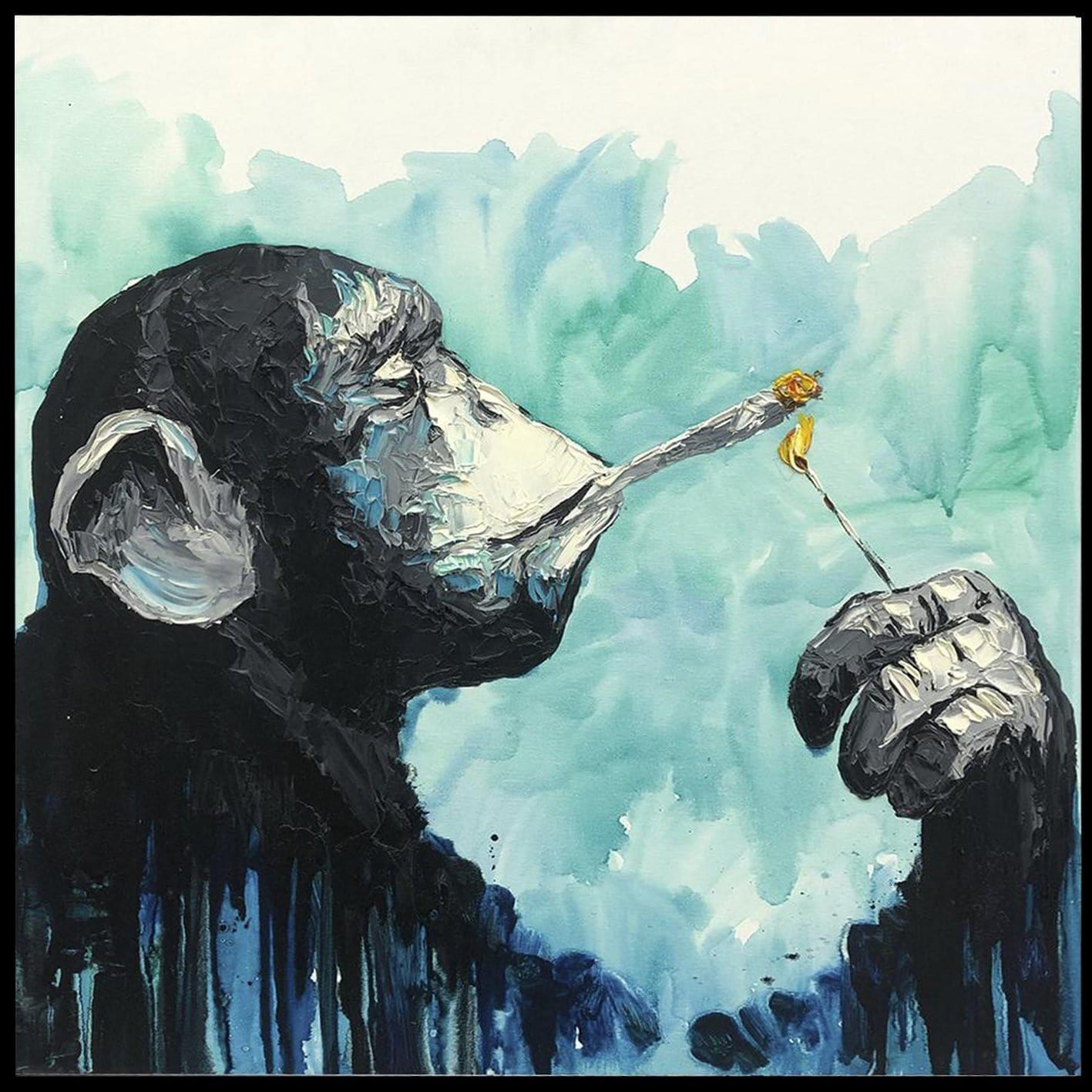
SMOKO from $304
SMOKO from $304
SMOKO from $304.67+
SMOKO from $304
size up to 114"x114"
SMOKO from $304
frame option
SMOKO from $304
free worldwide shipping
1/2
POSITIVE VIBRATION from $304
POSITIVE VIBRATION from $304.67+
POSITIVE VIBRATION from $304
size up to 114"x114"
POSITIVE VIBRATION from $304
frame option
POSITIVE VIBRATION from $304
free worldwide shipping
1/2

Pop Art was not just playful—it was also ironic and sometimes even sarcastic. Artists such as Richard Hamilton, Andy Warhol, and Roy Lichtenstein used imagery from television, magazines, and billboards to comment on passive consumerism. Being light-minded, colourful and entertaining on the surface, Pop Art discreetly criticised the influence of mass entertainment on a personal identity.

3. New York Becomes the Capital of Pop Art

Although Pop Art started in the UK, it truly exploded in New York City. The booming American consumer market provided endless material: Coca-Cola bottles, Hollywood stars, comic heroes, and news headlines. Warhol’s studio, The Factory, became the epicentre, turning everyday objects into fine art and cementing Pop Art as an international force.

4. “Pop” Stands for “Popular”

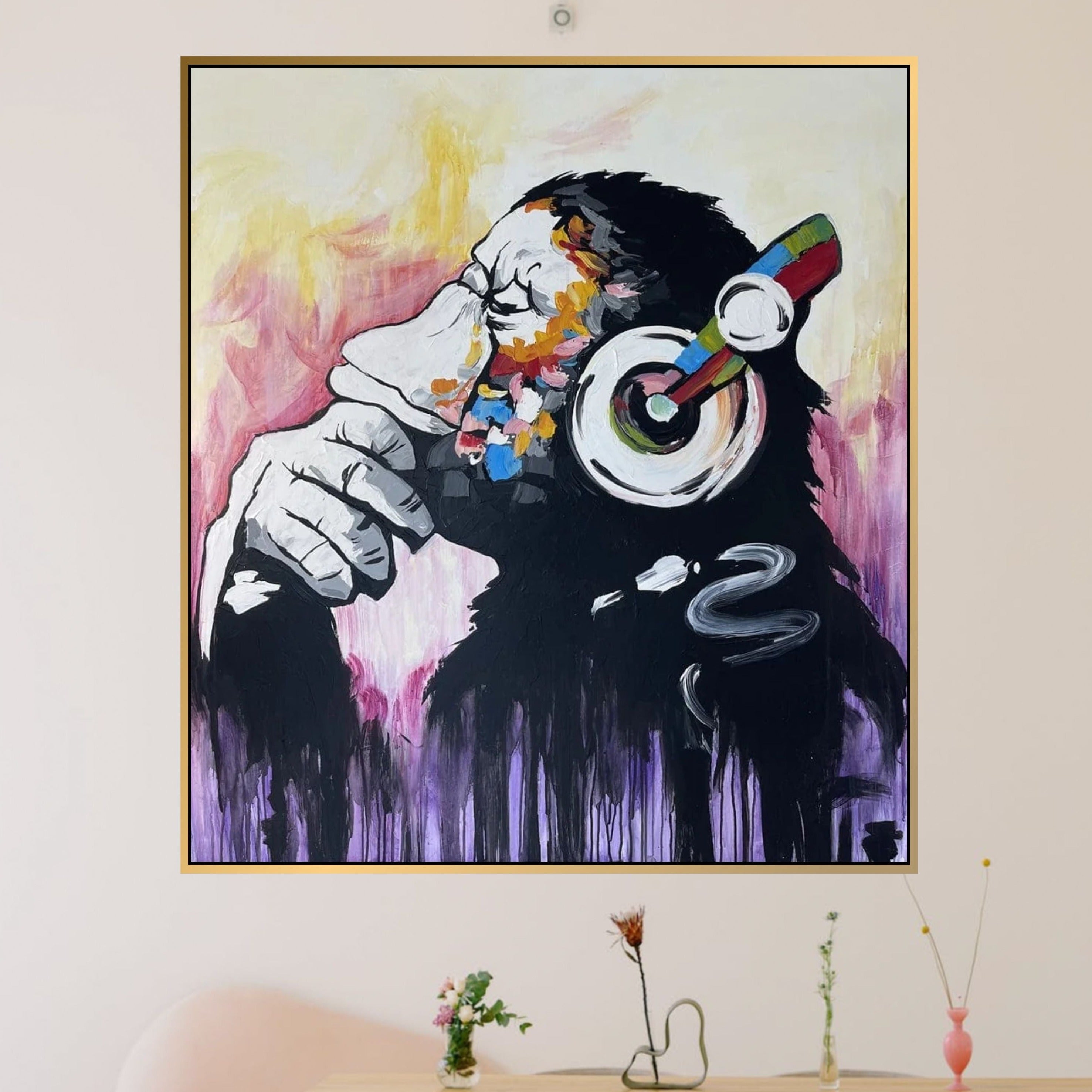
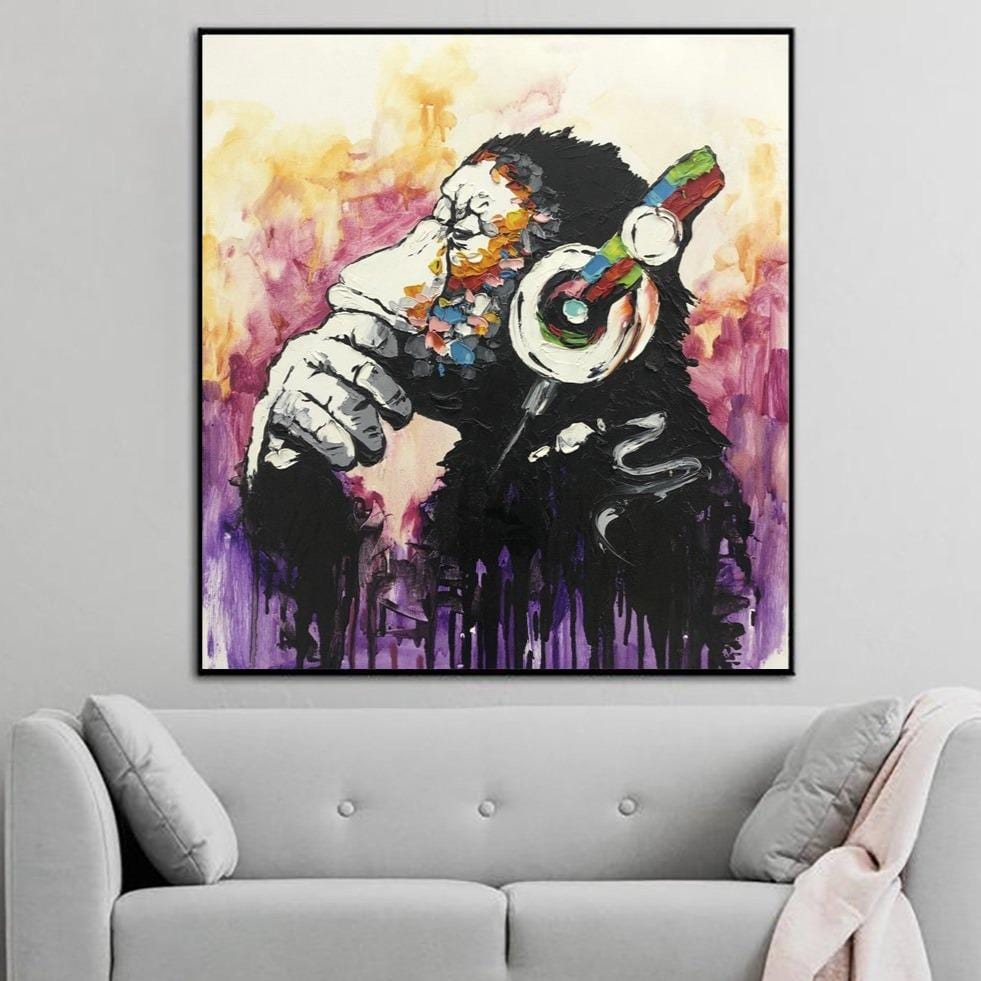
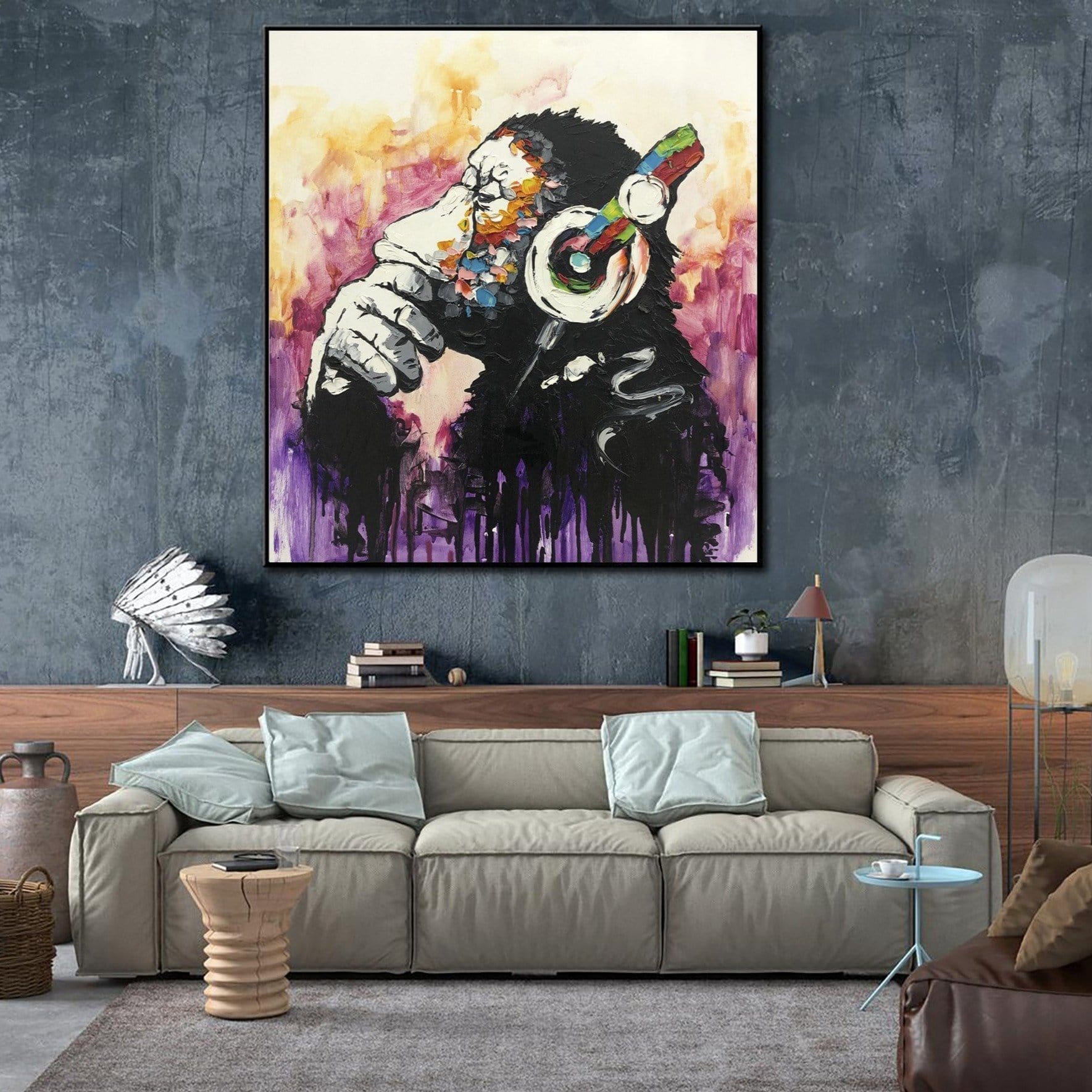
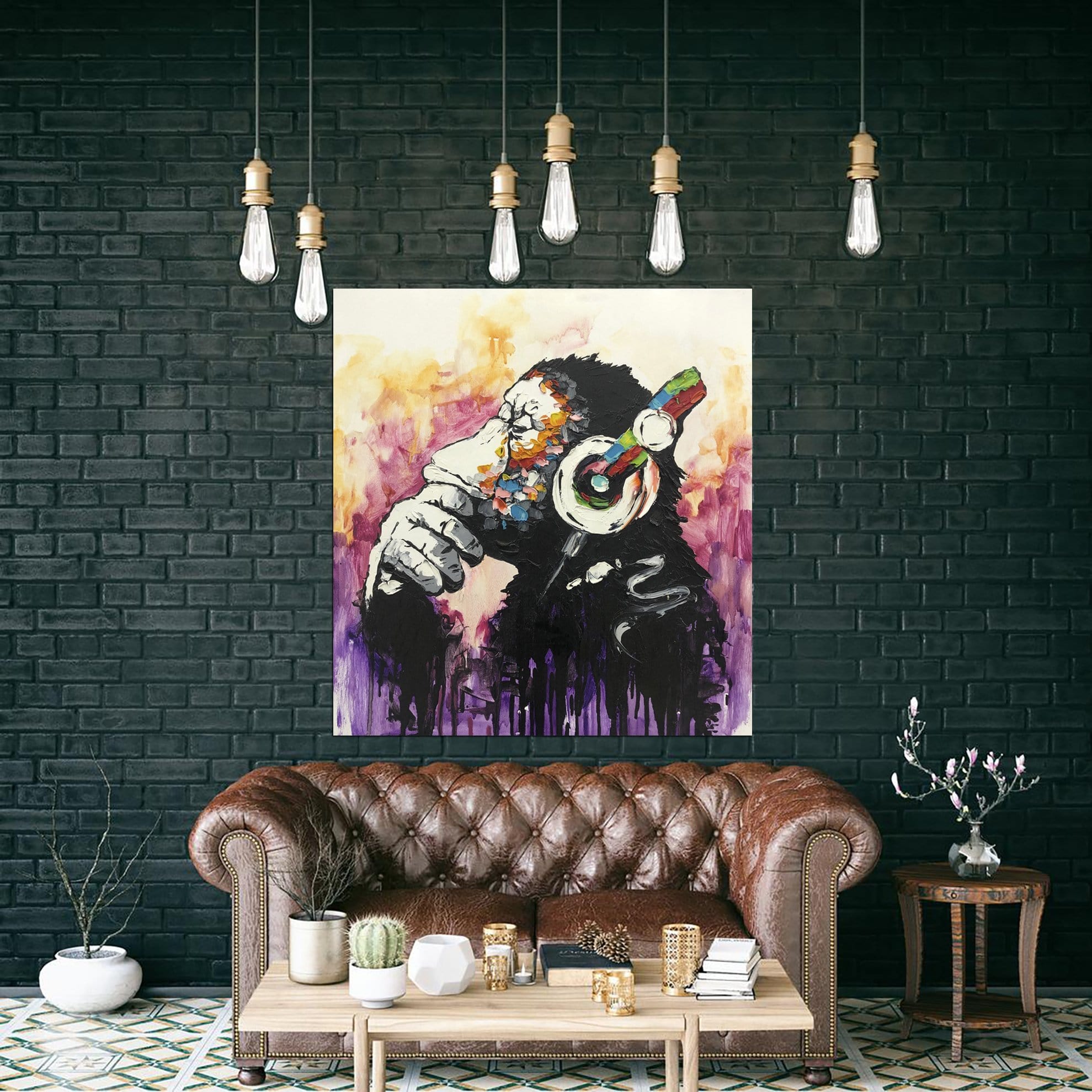
MONKEY ON STYLE from 544.09
MONKEY BUSINESS from $304.57+
size up to 114"x114"
frame option
free worldwide shipping
1/2
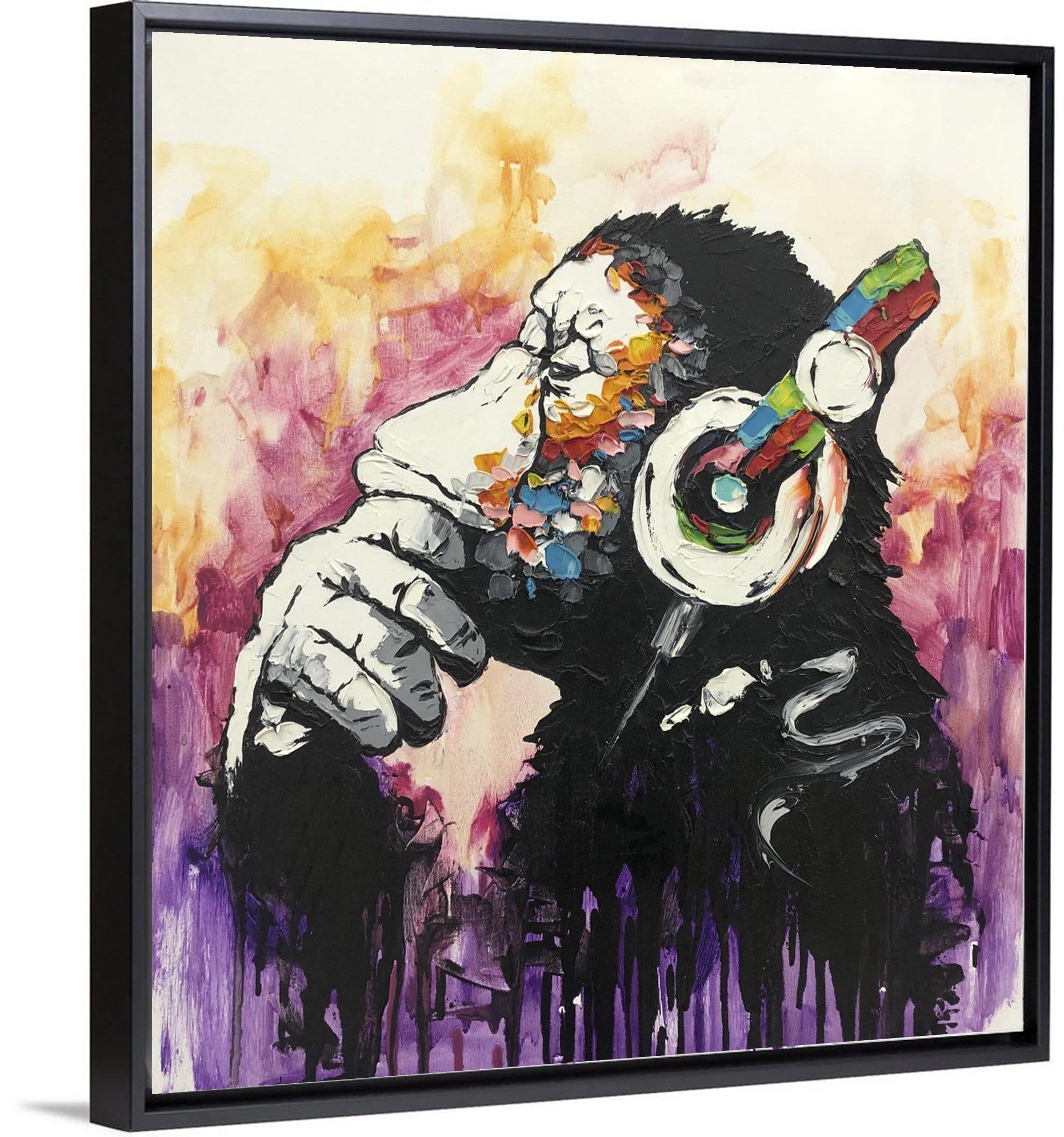
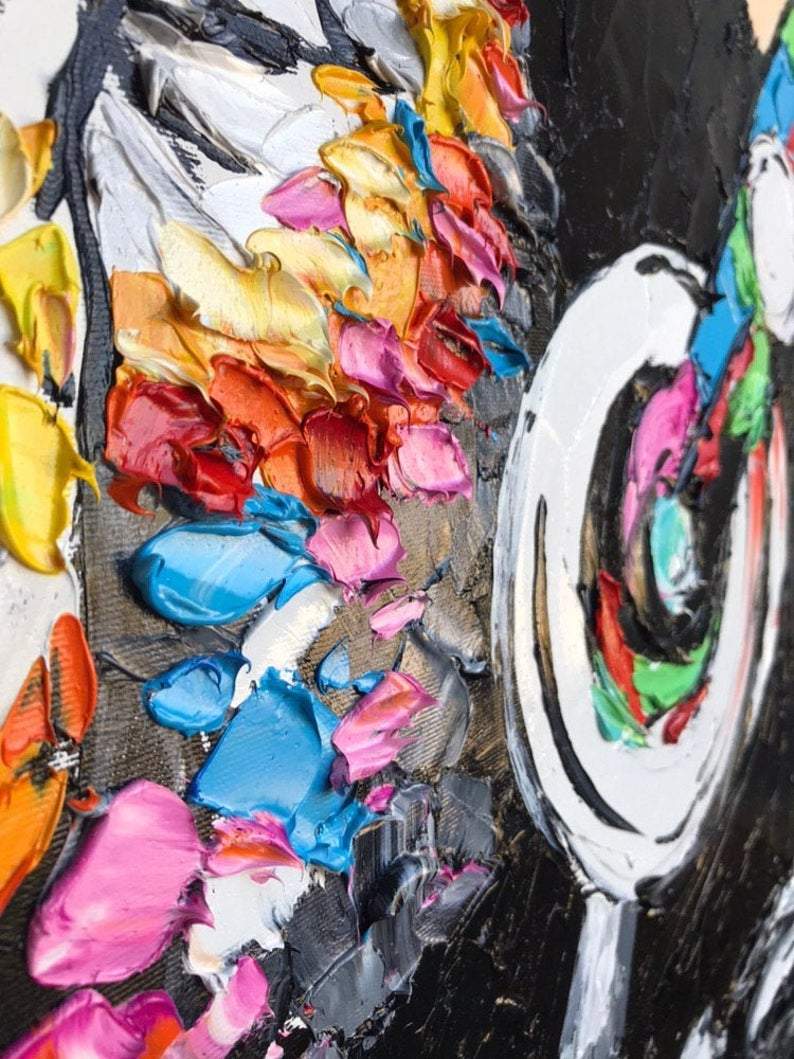
FUNKY CHIMP from $442.28
size up to 114"x114"
FUNKY CHIMP from $442.28
frame option
FUNKY CHIMP from $442.28
free worldwide shipping
1/2

The term Pop Art was coined by art critic Lawrence Alloway, who wanted to describe art rooted in “popular” culture. Unlike abstract expressionism—often seen as intellectual and elite—Pop Art was designed to be accessible, familiar, and fun. It blurred the line between gallery culture and the supermarket shelf.

5. UK vs USA: Two Sides of Pop Art

Although linked by common themes, British and American Pop Art developed very different tones.

  • American Pop Art: Focused on commercialism and the glamour of consumerism, using techniques like silkscreen printing for mass reproduction.

  • British Pop Art: More satirical, critiquing American consumerism from a distance, with humour and irony.

6. Symbols and Mass Culture in Pop Art

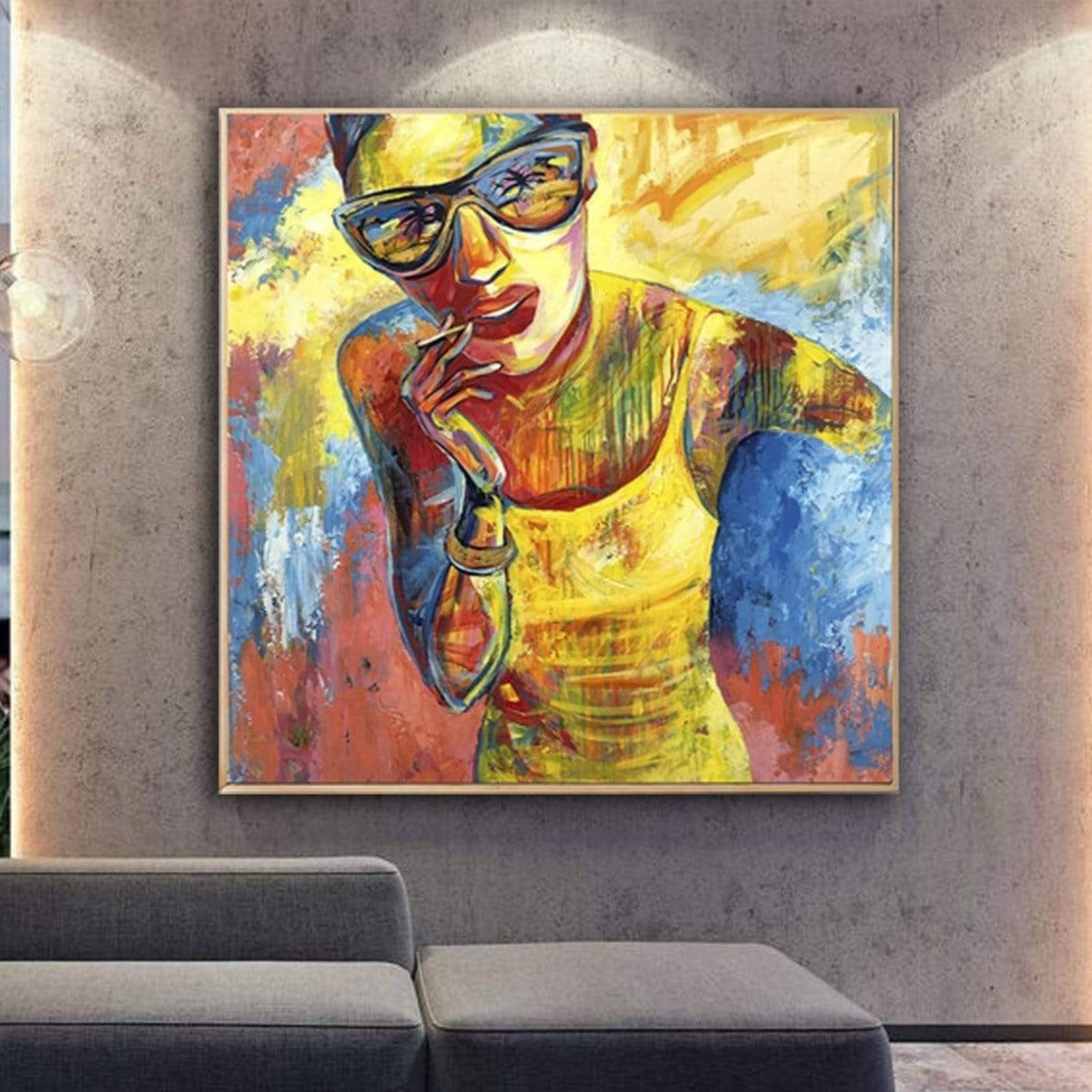
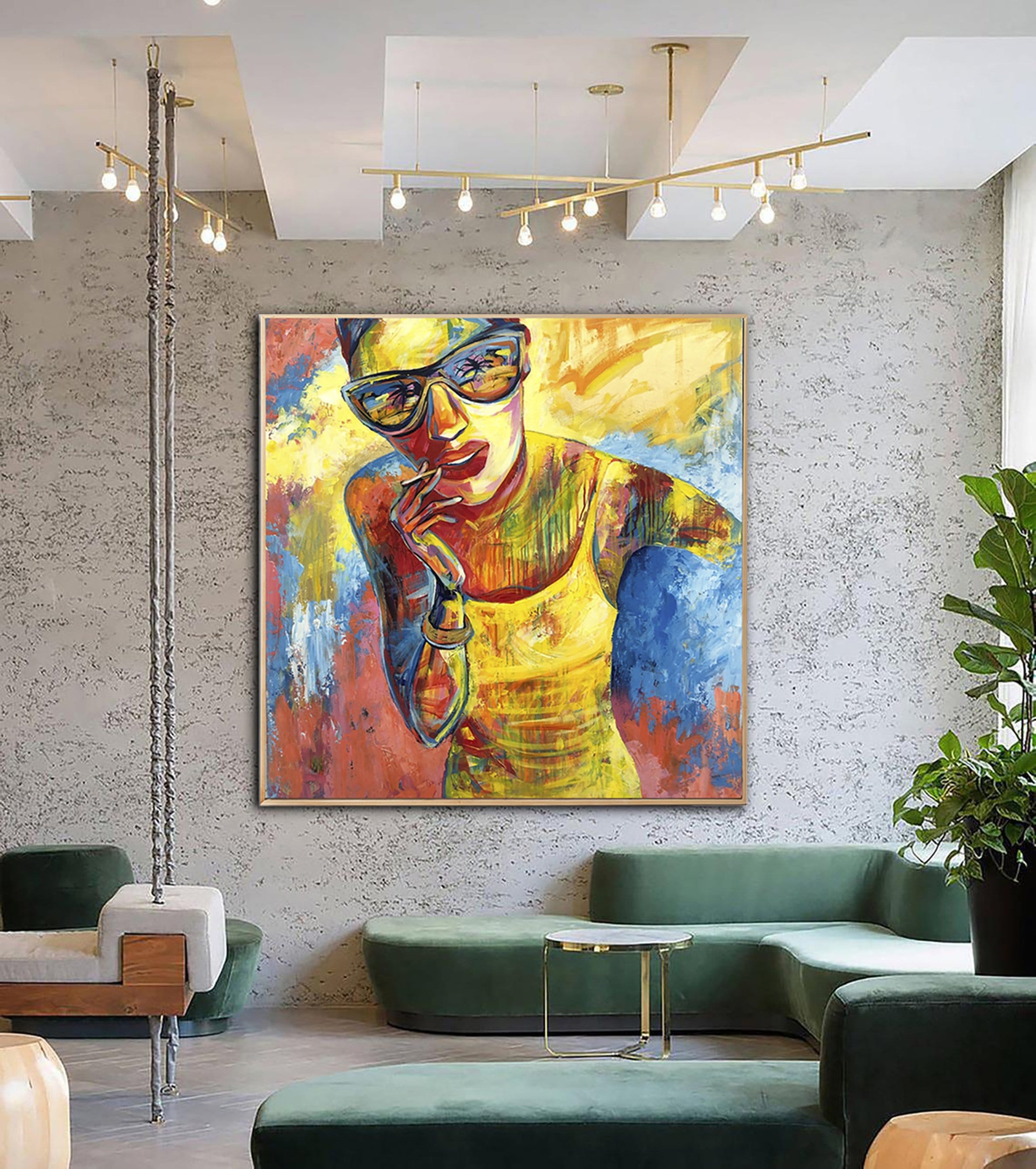
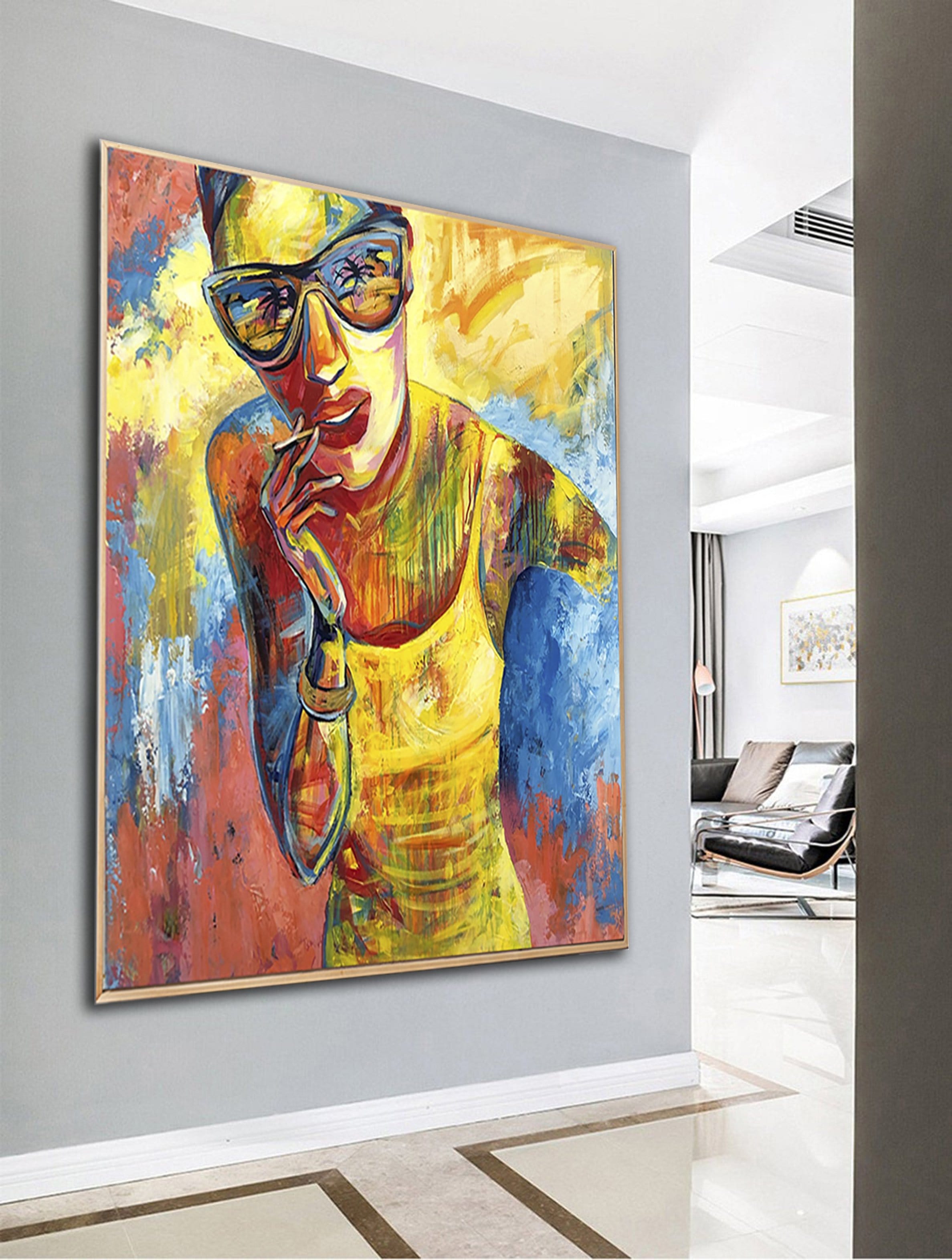
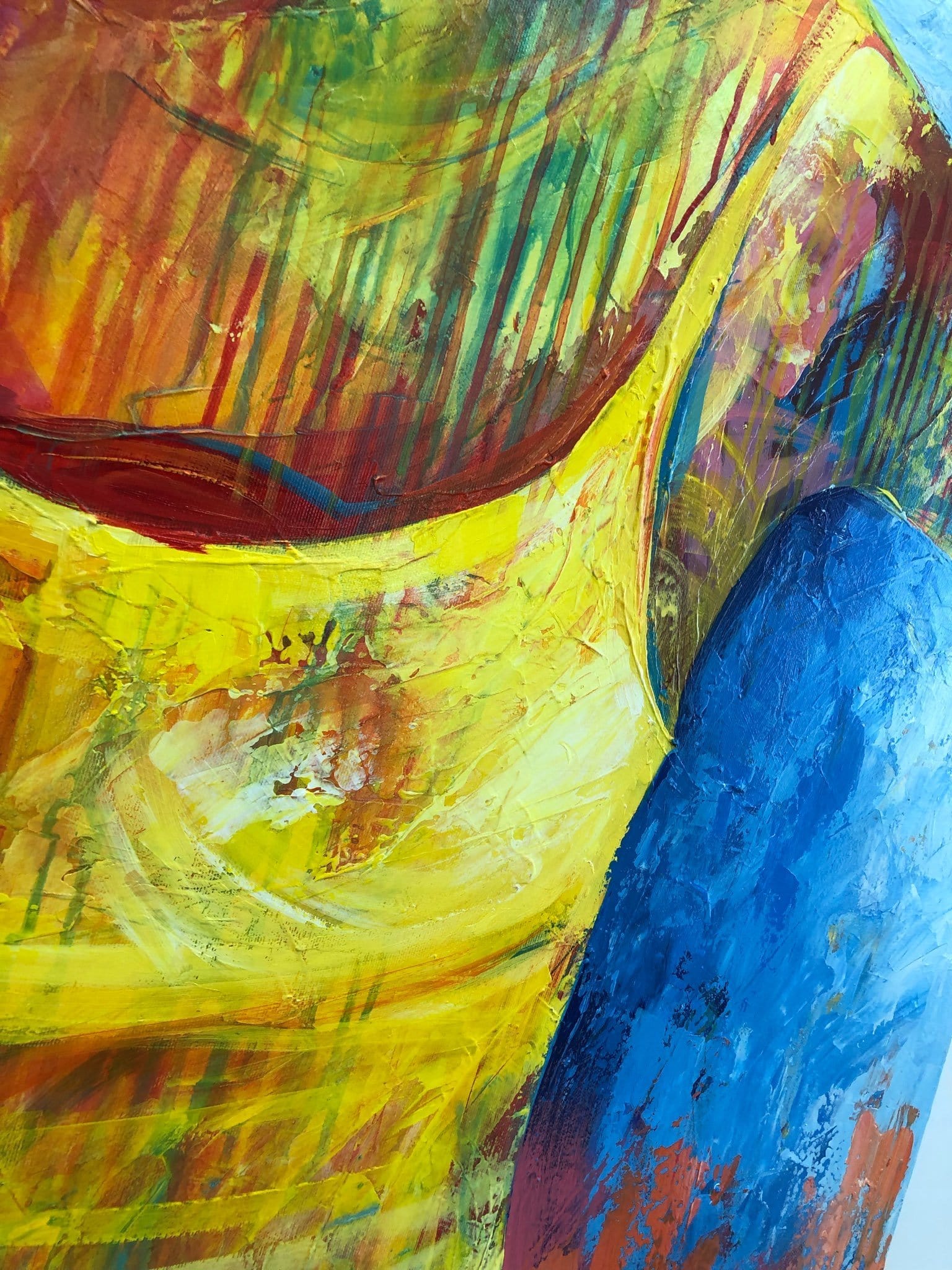
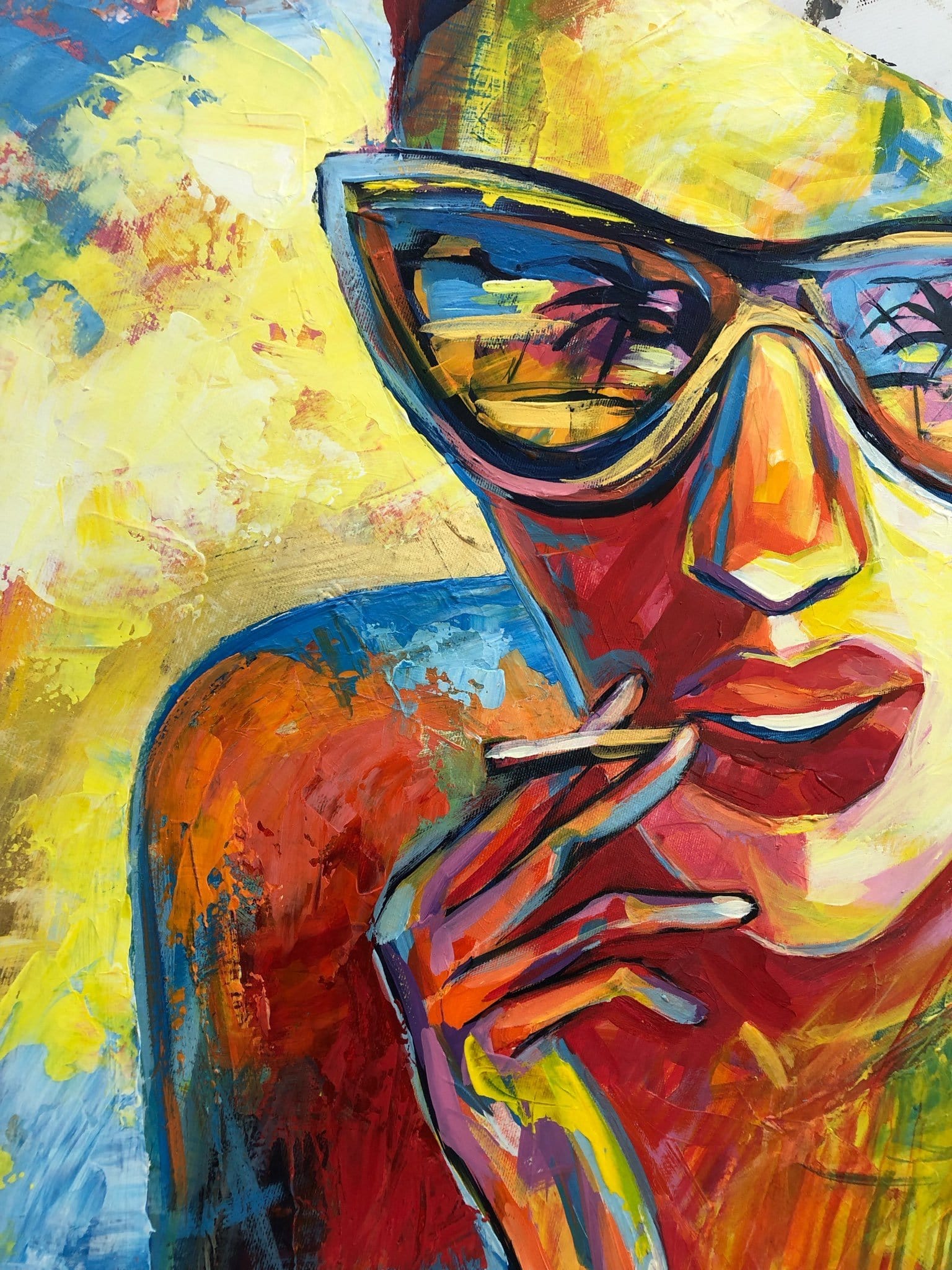
SMOKING ON THE BEACH from $304
8 Surprising Facts about Pop Art You Probably Didn’t Know slider2-image-1
SMOKING ON THE BEACH from $304.57+
8 Surprising Facts about Pop Art You Probably Didn’t Know slider2-image-2
size up to 114"x114"
8 Surprising Facts about Pop Art You Probably Didn’t Know slider2-image-3
frame option
8 Surprising Facts about Pop Art You Probably Didn’t Know slider2-image-4
free worldwide shipping
1/2

Pop Art thrives on symbols. Warhol’s Campbell’s soup cans or Marilyn Monroe portraits highlighted the cult of celebrity. Lichtenstein’s comic strip speech bubbles elevated low-brow entertainment to high art. Artists embraced collage, repetition, screen printing, and bold colour palettes to turn the everyday into the extraordinary.

TrendGallery Pop Art–inspired works include:

  • LADY BIRD – from $360
  • SMOKO – from $390
  • MONKEY ON STYLE – from $415

7. Pop Art Meets Fine Art

Pop Art questioned what could be considered “fine art.” By embracing everyday objects, fashion, and product packaging, it erased the boundary between high culture and low culture. Large canvases, bold outlines, and bright palettes made Pop Art impossible to ignore. Its boldness influenced not just galleries, but also graphic design, advertising, and interior decoration.

8. Pop Art as a Mindset & Lasting Influence

Pop Art is more than a style—it is a mindset of parody and critique. It has inspired music (Andy Warhol’s connection with The Velvet Underground), has reshaped advertising, and continues to inspire fashion and interiors. Modern artists still borrow its playful energy, proving that Pop Art is as relevant today as it was in the 1960s.

TrendGallery pieces capturing this spirit:

  • WU ZETIAN – from $440

  • FUNKY CHIMP – from $370

  • POSITIVE VIBRATION – from $399

TrendGallery.art: Bringing Pop Art Into Your Home

At TrendGallery, our artists reinterpret the daring energy of Pop Art in every brushstroke. Each painting is hand-crafted and can be personalised in size, palette, and framing. Whether you are drawn to comic-inspired canvases, fancy portraits, or quirky animal designs, you will find a statement piece to light up your interior.

Pop Art Has Never Been So Personal

At TrendGallery, our artists bring the spirit of Pop Art into your home with colour, humour, and attitude. Choose from ready-made intriguing pieces or commission a painting tailored to your personality and space.

👉 Explore or personalise your painting →

HOW TO MATCH A PAINTING TO YOUR SPACE

What is Pop Art and why is it important?
Pop Art is an art movement that emerged in the 1950s, blending popular culture, advertising, comics, and consumer goods with fine art. It is important because it challenged traditional definitions of art, making it more accessible, colourful, and reflective of everyday life. Pop Art also paved the way for modern design, fashion, and advertising.
What are the main features of Pop Art?
Key features include bright colours, bold outlines, repetition, collage, and everyday symbols like soup cans, celebrities, and comic strips. Artists often used mechanical techniques such as screen printing and mass reproduction to mimic consumer culture. Pop Art stands out for its playful, ironic, and sometimes critical take on modern society.
Who started the Pop Art movement?
Pop Art was started in Britain in the 1950s by the artists Eduardo Paolozzi and Richard Hamilton from the Independent Group. In the United States, it was founded in the 1960s by Andy Warhol, Roy Lichtenstein, and Claes Oldenburg, who brought Pop Art to global recognition.
What is the difference between British and American Pop Art?
British Pop Art: More satirical, intellectual, and critical of American consumerism, often using humour and irony. American Pop Art: Focused on glamour, consumerism, and mass production, with such artists as Warhol, praising and criticising commercial imagery simultaneously.
How can I add Pop Art to my home décor?
Pop Art is perfect for modern, eclectic, or urban interiors. You can incorporate it through bold statement paintings, comic-inspired portraits, or quirky figurative art. TrendGallery offers custom Pop Art–inspired pieces such as MONKEY ON STYLE, SMOKO, and POSITIVE VIBRATION—all of which can be personalised in size and colour to be suitable for your space.