Black paintings have always enthralled the art world, but they are far from alone in their appeal. Famous white paintings, such as Robert Ryman's minimalist works or Kazimir Malevich's White on White, have carved out a symbolic and emotional place in modern art, but black-themed paintings tell an equally fascinating story. Black and white are more than just opposites; they are two of the most fundamental, everlasting colors, with significant symbolism across cultures. They represent light and dark, simplicity and complexity, and artists have employed them throughout history to investigate these contrasts.
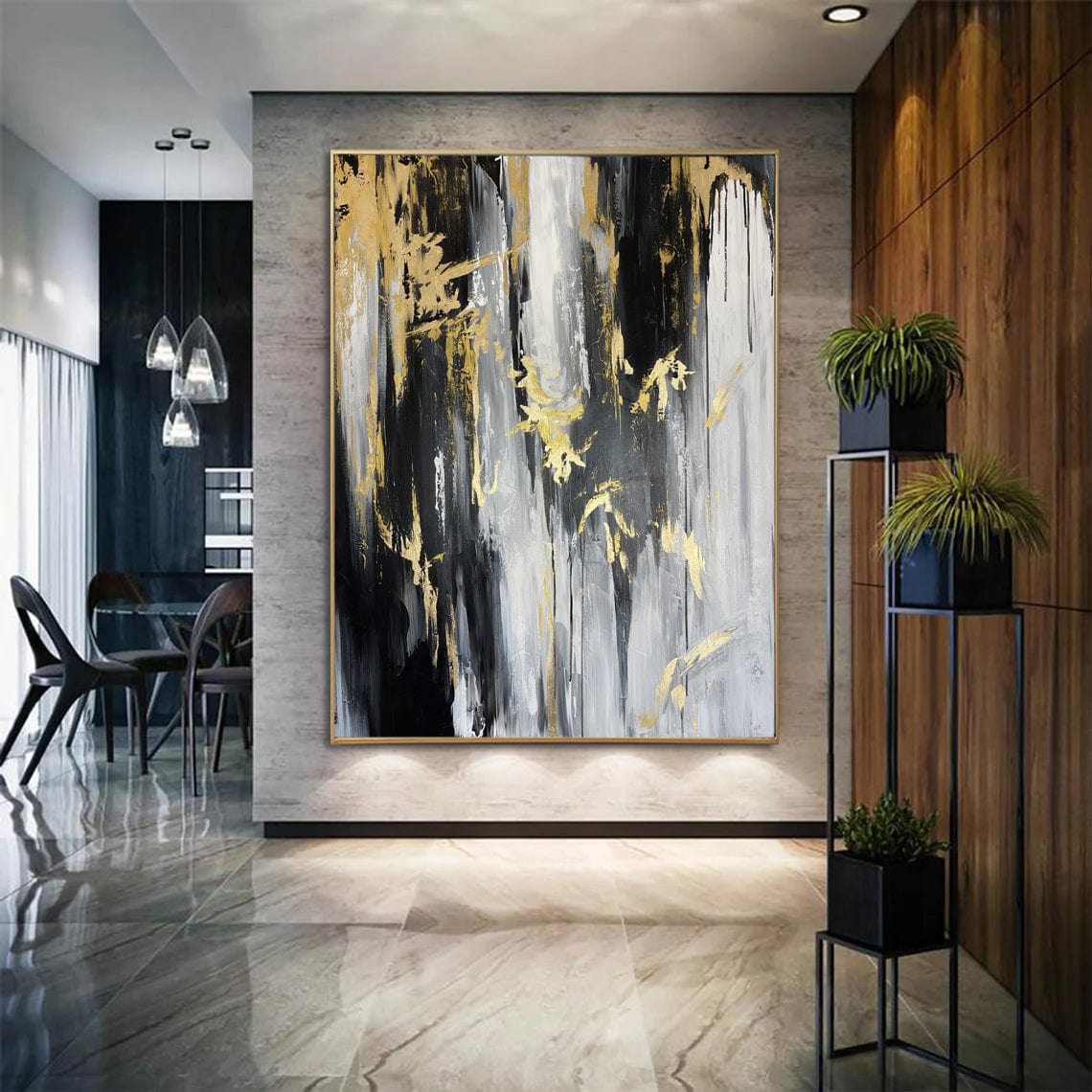
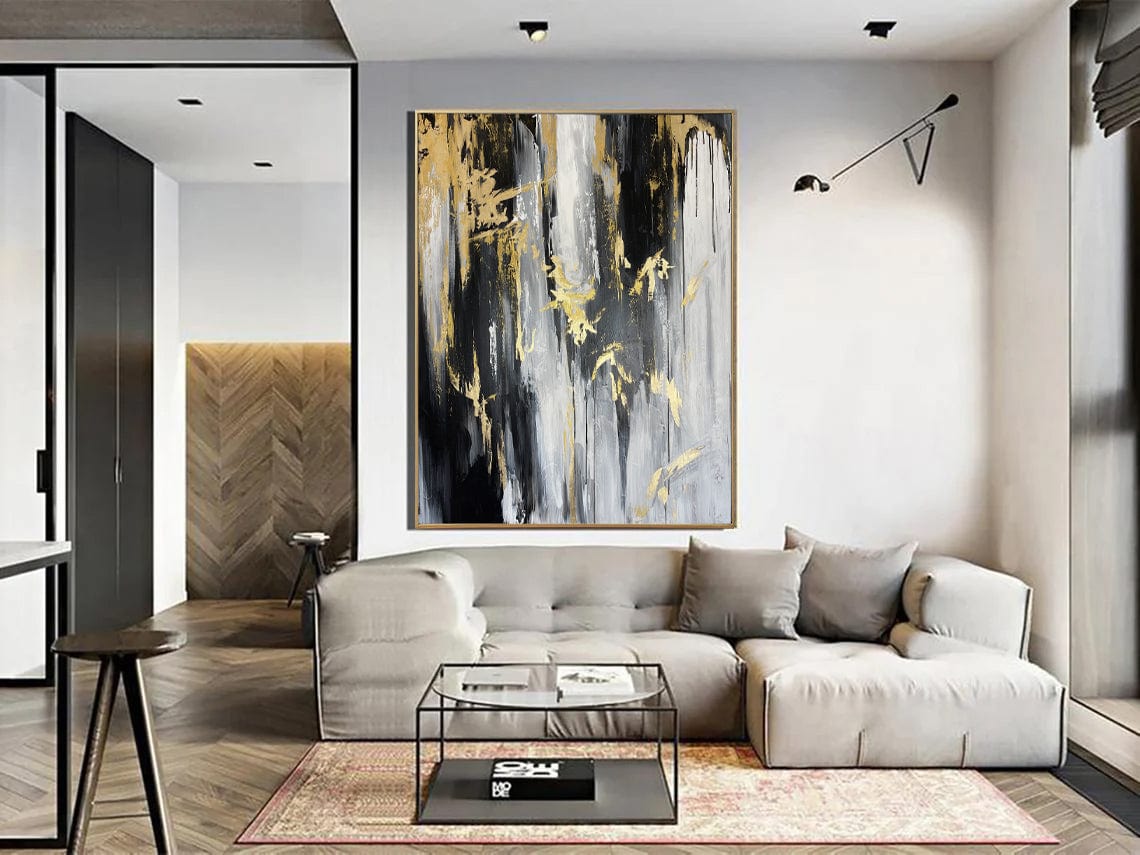
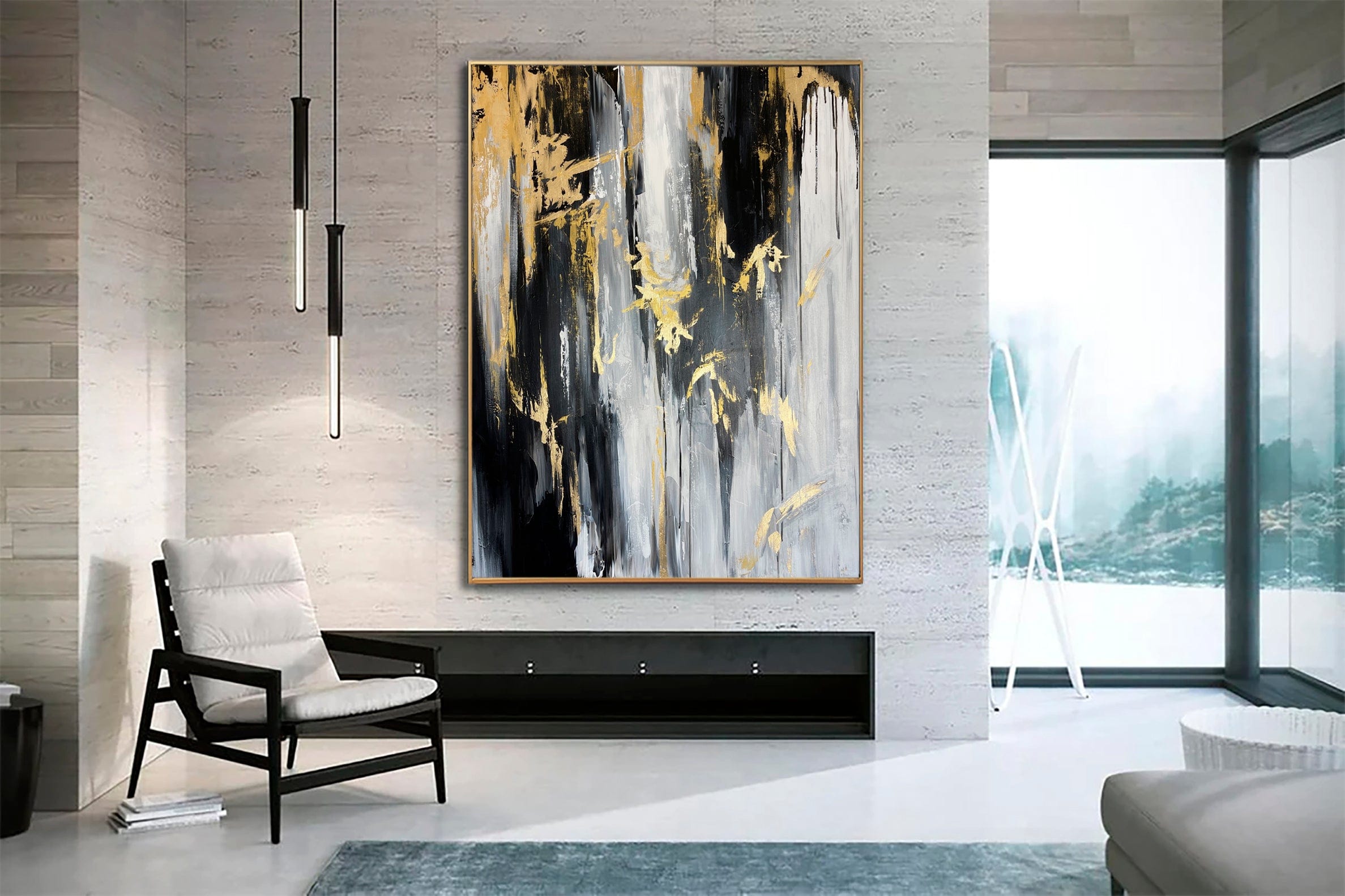
Black has always been a color that sparks strong reactions in art. From mystery and depth to themes of power and void, black paintings have both fascinated and divided audiences. Artists who embraced black often challenged the norms of their time, creating works that remain provocative even today. If you are drawn to the elegance and contrast of monochrome, explore our collection of Black & White Abstract Paintings.
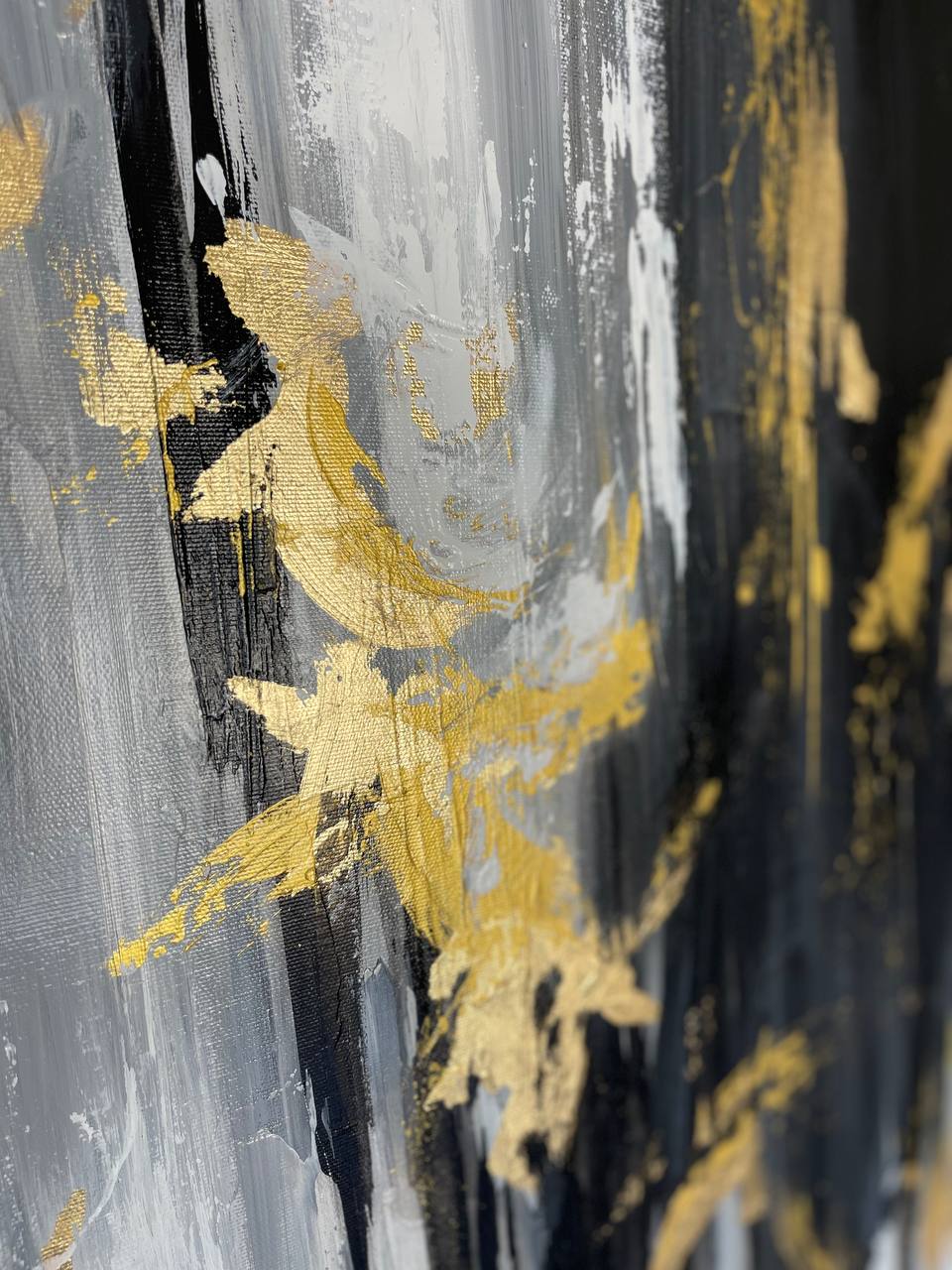
While white-themed art frequently conveys purity and peace, black-themed paintings delve into the mysterious, deep, and profound. Far from being one-dimensional, black paintings can convey serenity, mystery, or depth depending on their use. Artists utilize black not only as a hue, but also as a medium, to experiment with texture, contrast, and shape, challenging viewers' perceptions and bringing them into a rich visual experience. How might a black-themed painting change the vibe in your space?
What Makes These Famous Black Paintings So Iconic?
Black-themed paintings have a strong and intriguing presence in the world of art. Historically, they have been used to question artistic conventions, elicit strong emotions, and stimulate thought. Some of the most famous black paintings are admired not just for their startling appearance, but also for the philosophical problems and strong remarks they raise. Let's look at some of the most renowned black paintings and how they affected modern art.
Ad Reinhardt’s Abstract Painting No. 5

Abstract Painting No. 5, 1962 by Ad Reinhardt
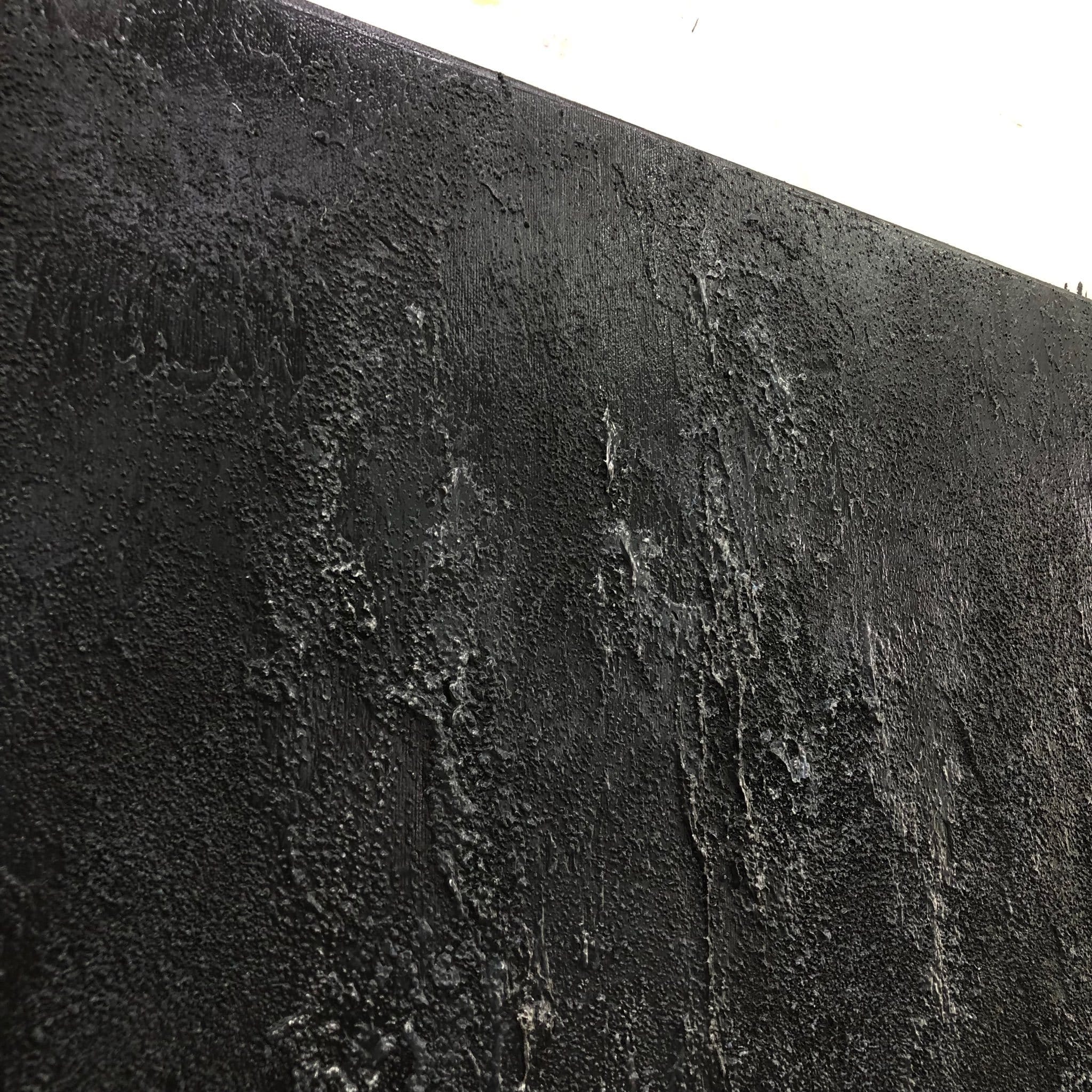
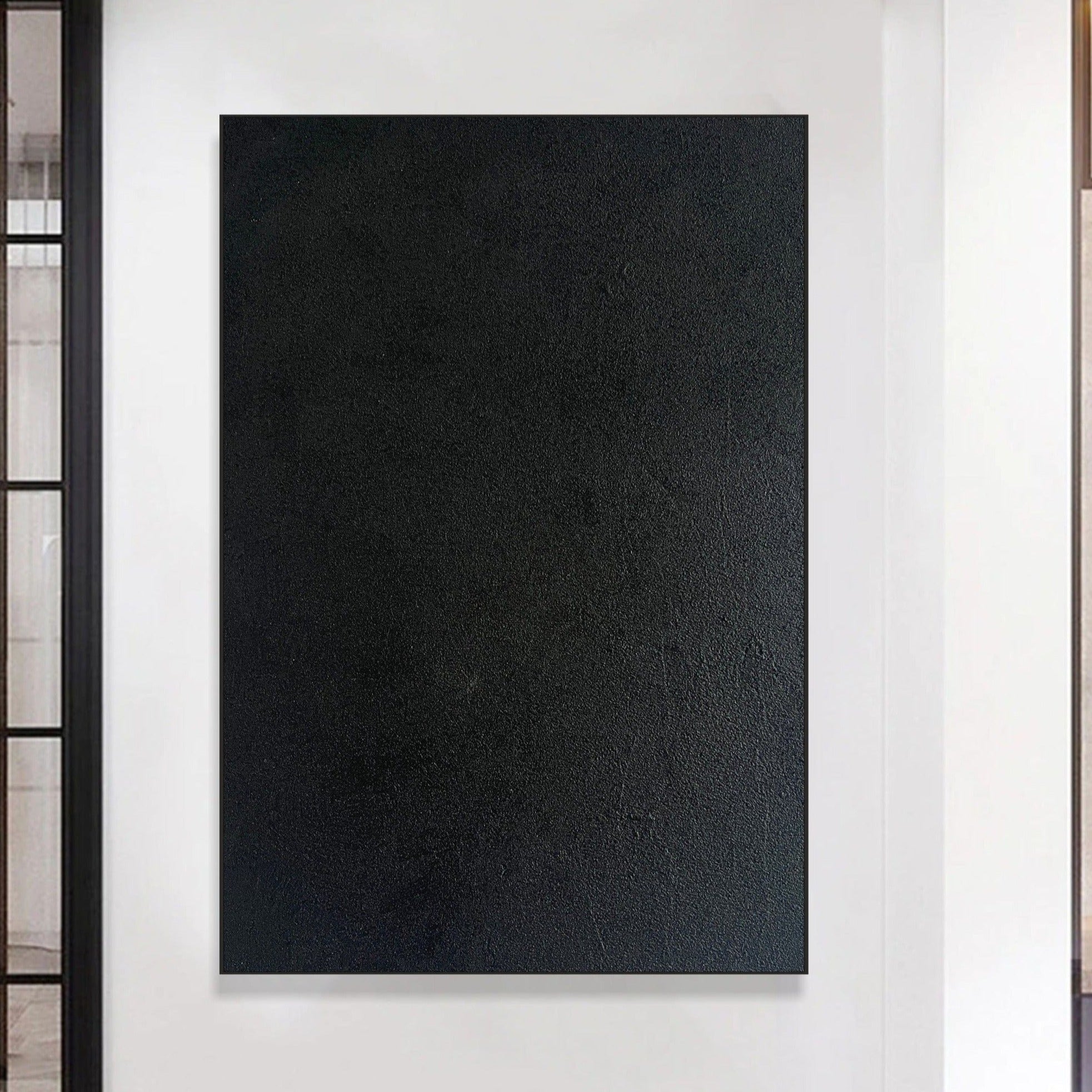
Another iconic black painting comes from American abstract artist Ad Reinhardt. His Abstract Painting No. 5 from 1962 is part of a series of black paintings that focus on the elimination of form and color to achieve pure abstraction. Reinhardt’s work, often referred to as the “black paintings,” is minimalism in its most extreme form. Abstract Painting No. 5 looks to be a solid black canvas at first glance, but closer examination reveals minute differences in black tones that make up a complex composition of almost identical shapes.
Reinhardt’s goal with his black paintings was to strip art down to its very essence, removing all narrative, emotion, and representation. He felt that by doing this, he would be able to produce the "last paintings," pieces that would surpass all previous creations. Reinhardt’s devotion to this concept was so strong that he famously declared, “Art is art. Everything else is everything else.” It took time and careful attention to detail for viewers to connect with these paintings on a deeper level. Because it stretched the possibilities of art, Reinhardt's contribution to paintings with a black subject is noteworthy because it influenced minimalism and conceptual art in the decades that followed.
Ad Reinhardt’s work is often described as the “ultimate” painting, a piece where color and form are stripped down to almost nothing. His famous all-black paintings, with subtle tonal differences, pushed minimalism to its limits. They remain some of the most discussed works in modern art. Discover artworks inspired by this restrained aesthetic in our Black Abstract Paintings.
Kazimir Malevich and His Famous Black Square

Black Square, 1915 by Kazimir Malevich
Black Square by Kazimir Malevich is one of the most pioneering black paintings in art history. This artwork, first shown in 1915, was a watershed moment in the history of abstract art. Kazimir Malevich is renowned as the pioneer of Suprematism and celebrated globally for his contributions to cubo-futurism. A Ukrainian avant-garde artist of Polish descent, aimed to produce a picture that was pure abstraction and simplicity, rather than realism and emotionalism. Black Square is just that: a large, solid black square on a white background, free from any recognizable subject or narrative.
Malevich intended for the painting to symbolize the "zero point of art," a break from all previous artistic traditions. The black square's simplicity broke with the conventions of the day, eschewing realistic representations in favor of total abstraction. This audacious, understated style was groundbreaking, impacting not only painting but also sculpture, architecture, and design. It established the foundation for contemporary abstract art by proving that a black painting might have deep significance. Black Square is now regarded as one of the key pieces of the 20th century, having started the Suprematism movement and impacted a great number of artists.
Kazimir Malevich shocked the world in 1915 when he presented his “Black Square.” A flat, bold statement of pure abstraction, it marked the beginning of Suprematism and set the stage for much of modern art to come. If you admire this radical step toward abstraction, take a look at our Modern Abstract Paintings.