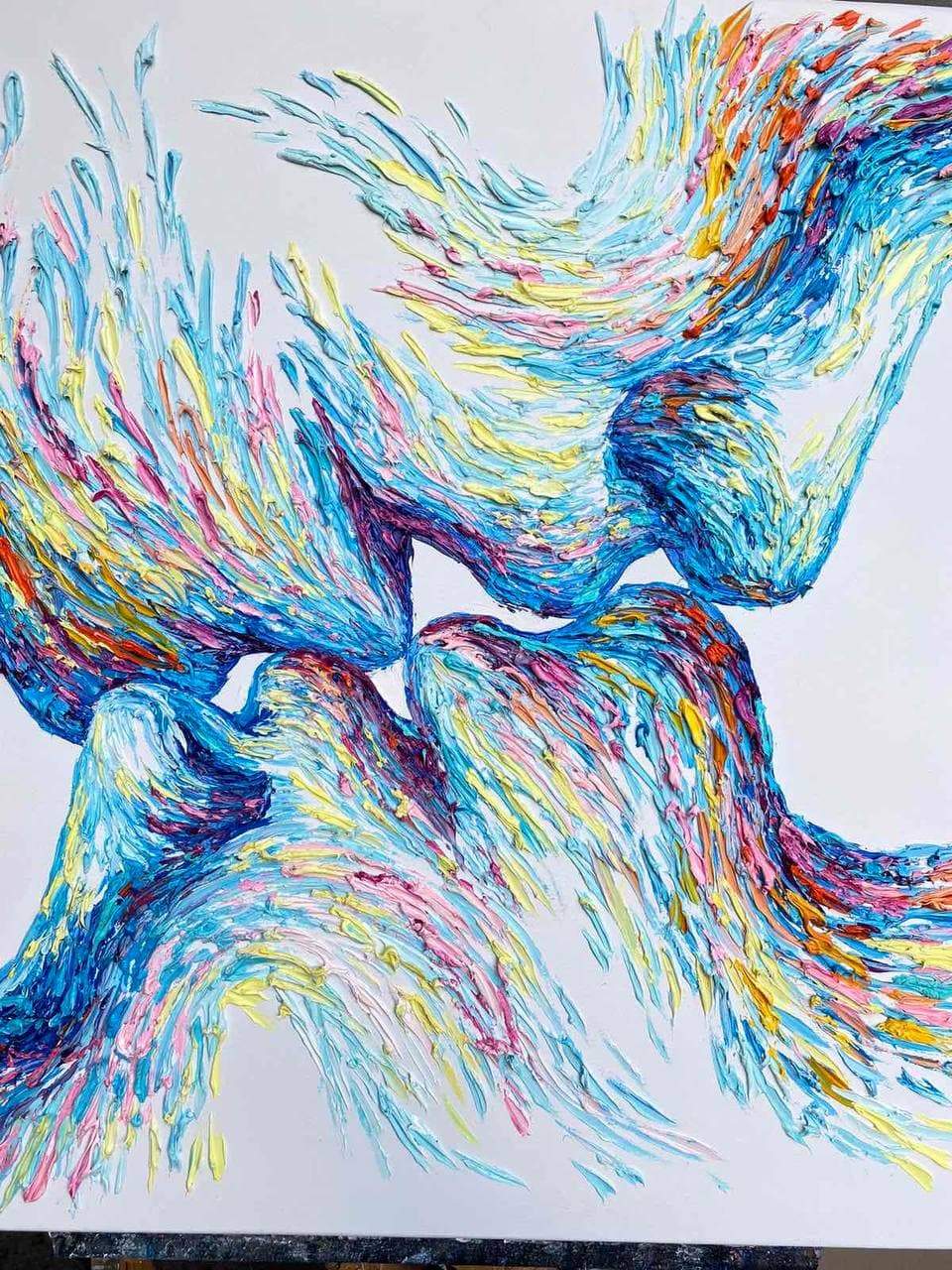
What makes a painting timeless, capturing the attention of audiences across generations? Gustav Klimt, one of the most influential artists of the early 20th century, achieved just that with his iconic work The Kiss. Known for his opulent style and bold use of gold leaf, Klimt's art broke away from tradition, challenging the boundaries of what modern art could be. The Kiss, painted during his famous "Golden Phase," is arguably Klimt's most celebrated masterpiece and is currently housed in the Belvedere Museum in Vienna.
But what is it about this painting that continues to captivate viewers worldwide? Did you know that Klimt painted The Kiss at the height of his career, following a period of intense criticism for the erotic nature of his work? Or that the gold leaf used in the painting was inspired by Byzantine mosaics he saw during his travels? In this article, we’ll delve into the deeper meaning behind The Kiss, exploring its symbolism and the emotional resonance that has made it an enduring icon in art history. From its exploration of love and intimacy to its place within Klimt’s broader body of work, we’ll uncover why The Kiss still speaks so powerfully to us today.
A Masterpiece of Love, Intimacy, and Rebellion


What makes The Kiss by Gustav Klimt more than just a beautiful painting? At its core, this iconic work explores themes of love, intimacy, and eroticism in a way that was revolutionary for its time. Painted between 1907 and 1908, The Kiss marked the pinnacle of Klimt's "Golden Phase," where his lavish use of gold leaf and intricate patterns set him apart from his contemporaries. But beyond its surface beauty, the painting delves deep into the human experience, capturing the complexity of romantic love with both tenderness and intensity.
The couple in The Kiss are enveloped in shimmering gold, their bodies intertwined in a sensual embrace. The intimacy of their connection is unmistakable, yet there’s an otherworldly quality that elevates the scene beyond a simple portrayal of affection. Klimt’s fascination with love and eroticism is evident, yet he manages to balance the sensual with the sacred, creating a piece that feels both personal and universal. The kiss itself becomes a symbol of unity, of two individuals merging into one, their identities partially obscured by the enveloping patterns that surround them.
Klimt painted The Kiss during a period of great artistic change and controversy. As a founding member of the Vienna Secession, a movement that rejected traditional academic art and sought new ways to express modern life, Klimt was no stranger to pushing boundaries. His work often stirred controversy, especially for its erotic undertones and depictions of the female body. Yet The Kiss was received with widespread acclaim, seen as a culmination of Klimt’s artistic journey.
A lesser-known fact about The Kiss is that it was painted at a time when Klimt’s earlier works, particularly his Faculty Paintings, were met with harsh criticism for their erotic and controversial themes. The Kiss was Klimt’s response to these critiques, showcasing his ability to depict sensuality in a more universally appealing, yet equally provocative, manner. Many art historians believe the couple in the painting may be Klimt and his long-time partner, Emilie Flöge, though this remains speculative. Another fascinating aspect is Klimt's admiration for Japanese art, with the stylized patterns and flat planes of color reminiscent of the Japonisme movement that influenced European art at the time. This blend of influences, from Byzantine mosaics to Japanese prints, adds to the painting's complexity and innovation.
This painting was created in a time when Vienna was undergoing cultural and intellectual transformation. The Secession movement, which Klimt helped to lead, aimed to break free from the rigid confines of classical art, embracing innovation and personal expression. The Kiss is a product of this rebellion, rejecting the traditional portrayal of love as something idealized or restrained. Instead, it presents love as a powerful, consuming force, raw in its emotional intensity yet softened by the beauty of Klimt's artistic vision.
Critics and audiences alike were captivated by the painting’s blend of sensuality and symbolism. Some saw it as a celebration of love’s ability to transcend the material world, while others interpreted the work as a bold statement on the complexities of human relationships. The rich, decorative elements that surround the couple have been seen as metaphors for the intertwining of desire and spirituality, with the gold symbolizing both opulence and otherworldliness.