Introduction: Painting as the Oldest Story of Humanity
From the shadows of prehistoric caves to sleek modern interiors, painting has been our way of recording life, emotions, and imagination. However, how did a bison on a cave wall lead to an explosion of abstract colours on canvas? The history of painting is a timeline that stretches over 30,000 years—connecting ancient rituals, cultural traditions, and groundbreaking artistic revolutions.
The Dawn of Painting: Cave Walls and Primitive Symbols
The first signs of painting appeared in prehistoric caves such as Lascaux in France and Altamira in Spain, dating back more than 17,000 years. Early humans used minerals, charcoal, animal fats, and even blood to create pigments.


Cultural Influences in the History of Painting
As civilisations evolved, so did their art.
Ancient Egypt: Painted murals in tombs reflected gods, rituals, and the afterlife.
Greek and Roman: Frescoes and decorated vases captured myths and daily life.
Asian Traditions: Chinese painting history spans from ornamental patterns to vast ink landscapes. Calligraphy and brushwork blurred the line between writing and painting, serving as an early form of abstract expression.
Islamic, Indian, Korean, and Japanese art each introduced distinct motifs, from miniature manuscripts to eloquent decorative surfaces.
Each tradition contributed layers to the global history of art painting, emphasising storytelling, symbolism, and technique.
Evolution of Styles: From Realism to Revolution
The Middle Ages saw painting used primarily for religious narratives. Then, during the Renaissance, such artists as Leonardo da Vinci and Michelangelo introduced perspective, realism, and human emotion—ushering in the golden age of oil painting.
By the 17th–19th centuries, new genres flourished:
Portraits and landscapes became popular among wealthy patrons.
Watercolour painting emerged as a lighter, more intimate medium, capturing natural scenes and travel diaries.
The history of oil painting expanded further with Romanticism, Impressionism, and Realism.
This period laid the groundwork for the artistic revolutions of the modern age.
Modern Movements in the 20th Century
The 20th century shattered boundaries with radical experimentation. Highlights of the history of modern painting include:
Futurism (Balla): Speed, technology, and modernity.
Abstract art (Kandinsky): The first to abandon subject matter entirely, focusing on pure emotion and rhythm.
Dadaism (Duchamp): Anti-art rebellion mocking tradition.
Bauhaus (Klee, Kandinsky): Integration of design, colour theory, and modern architecture.
Surrealism (Dalí, Miró, Ernst): Dreams and subconscious imagery.
Suprematism (Malevich): Pure geometry and colour fields.
Constructivism (Tatlin): Art as a tool for social and industrial revolution.
Orphism, De Stijl, Synchromism: Vibrant abstraction and structural purity.
This explosion of styles redefined the painting history of art, blending theory, politics, and radical aesthetics.
Abstract Art and Contemporary Expression
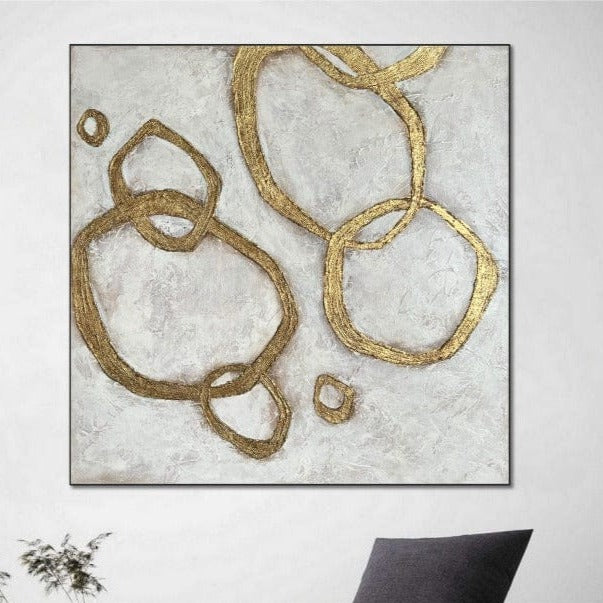
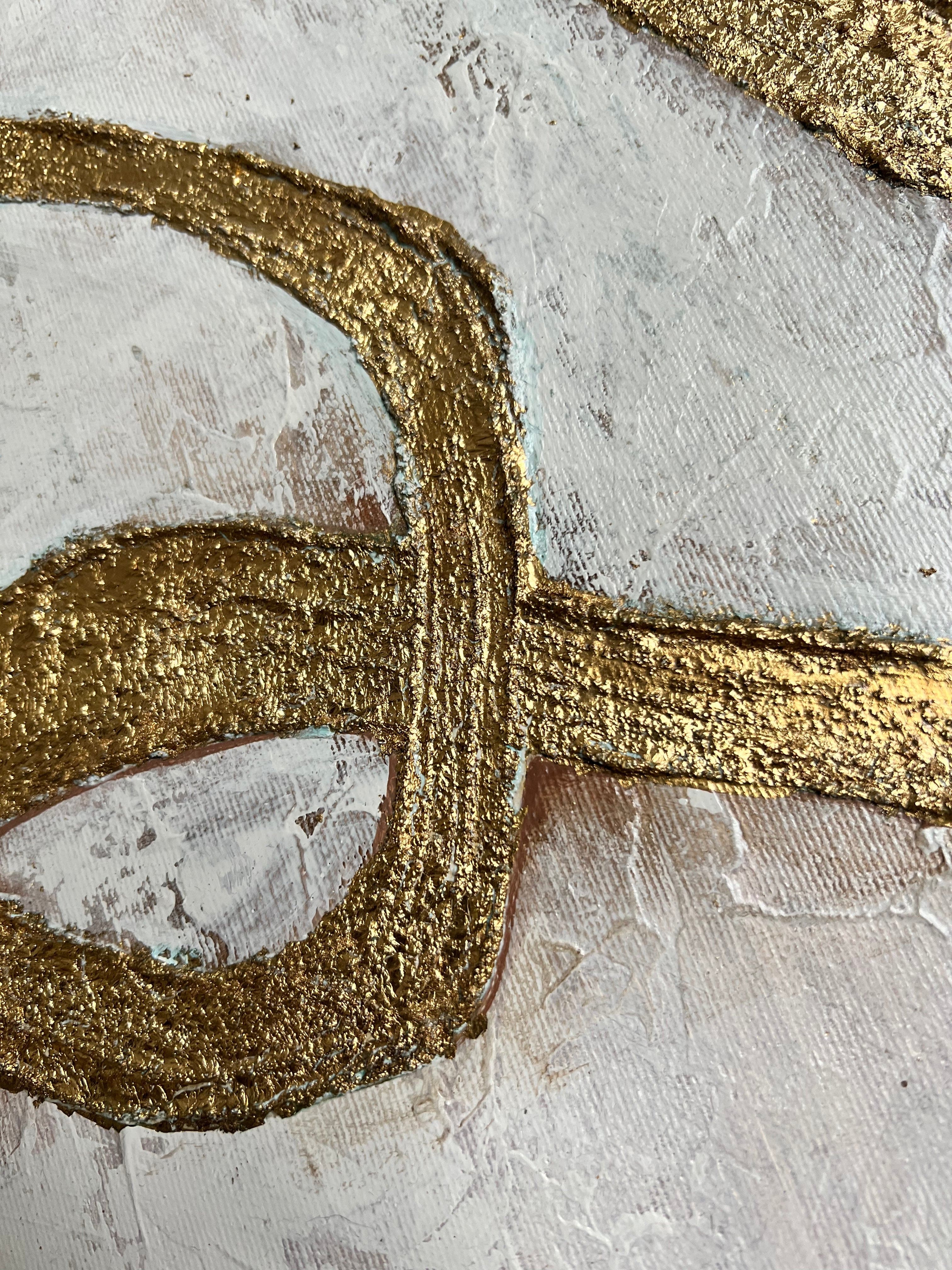
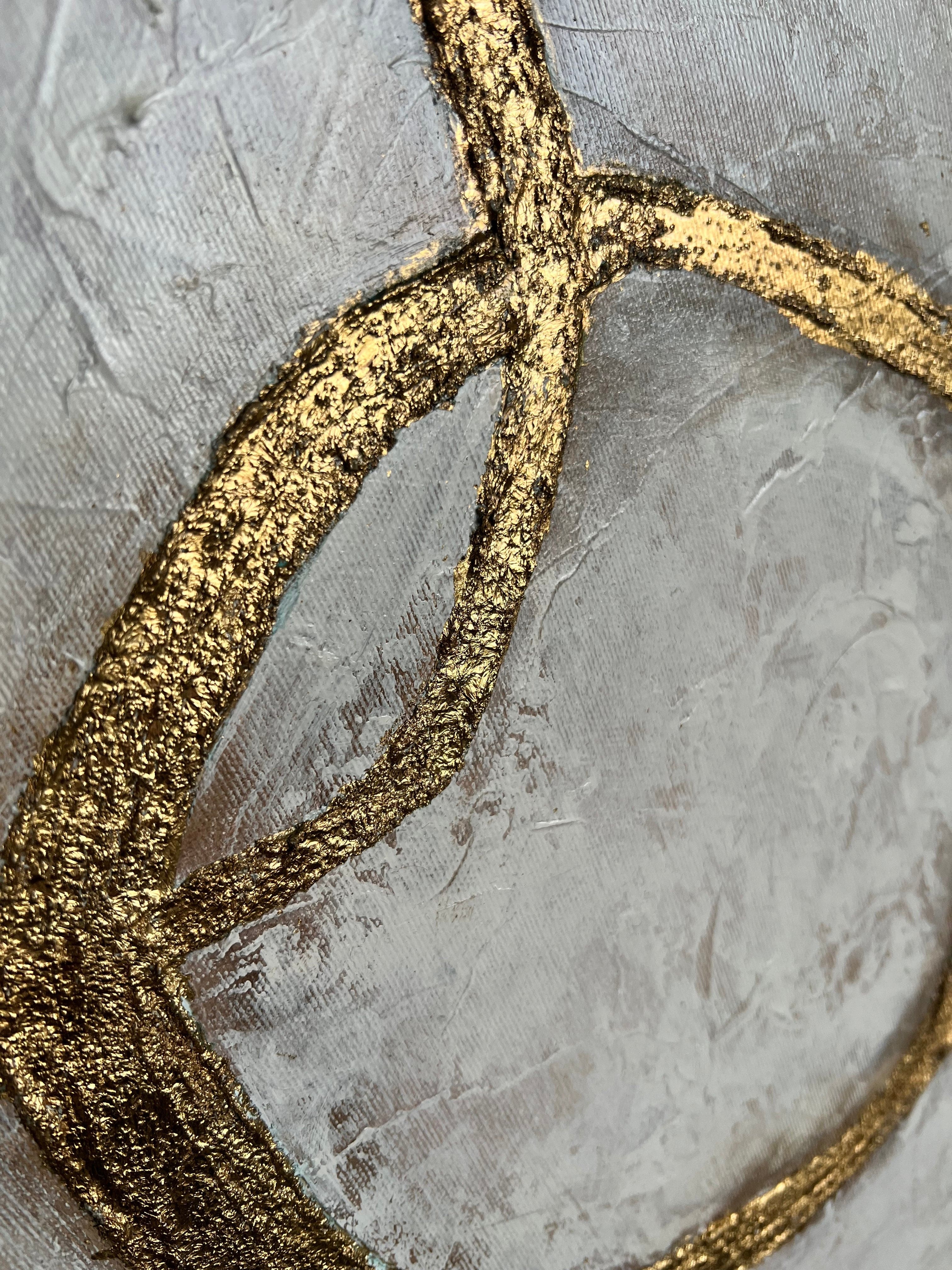
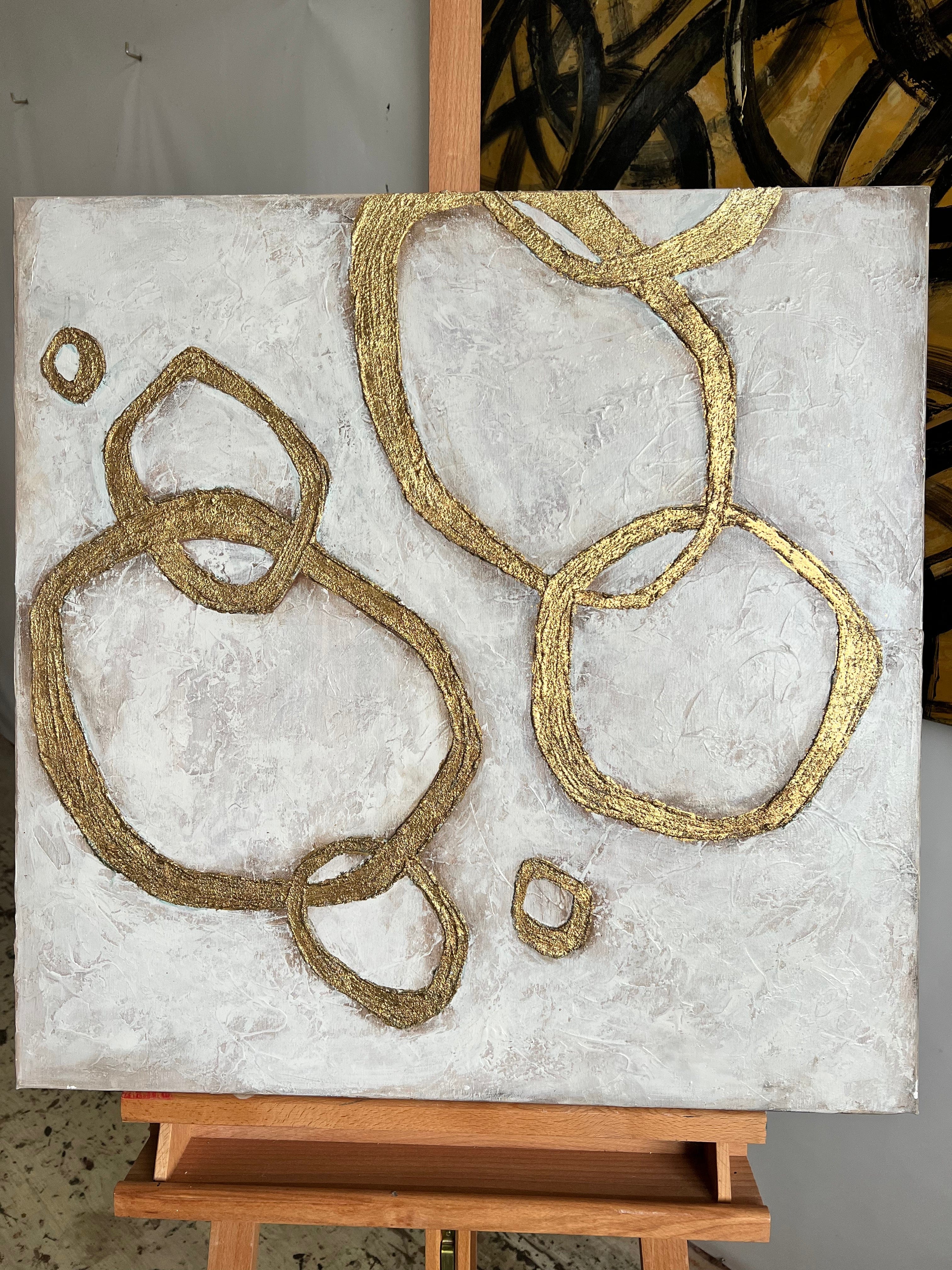
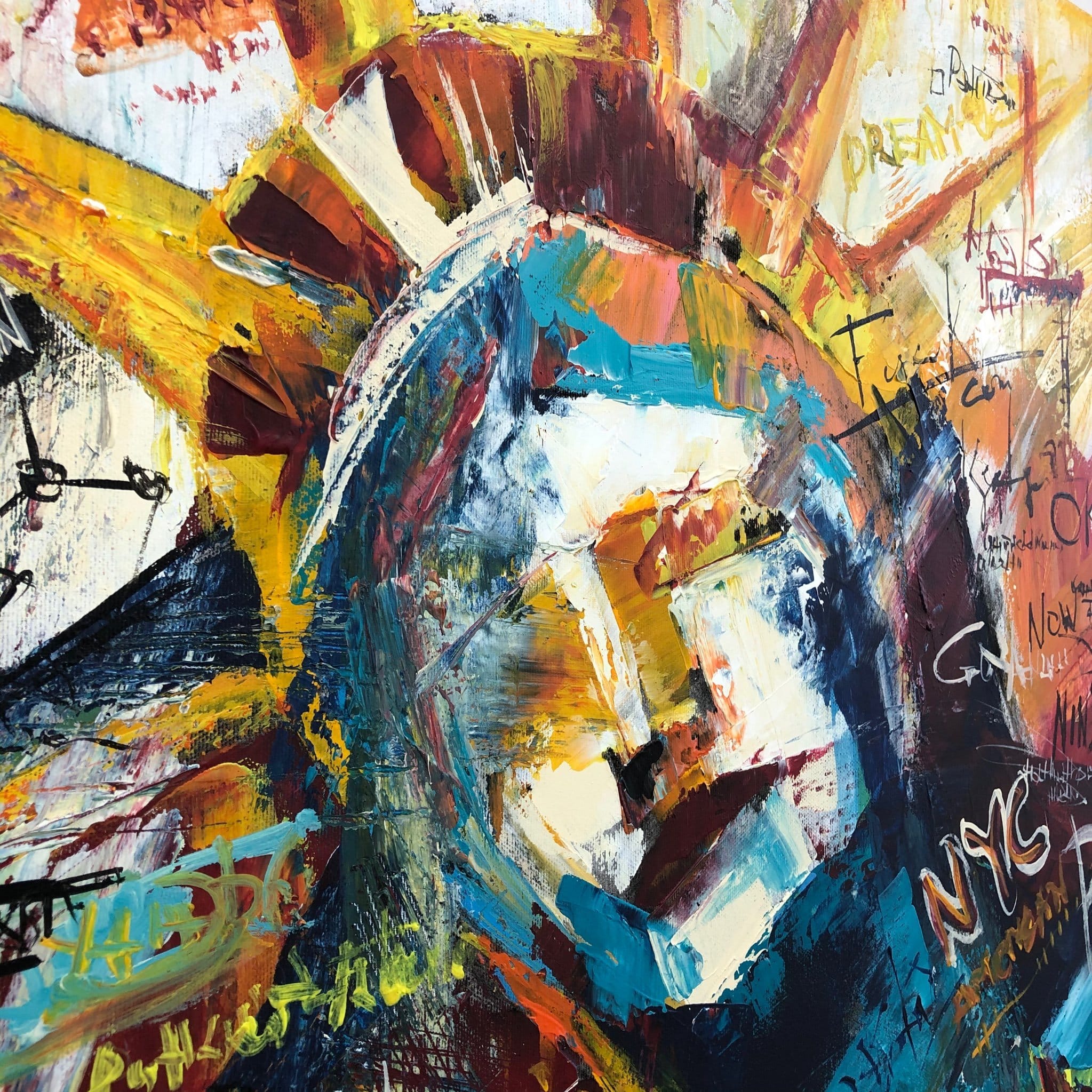
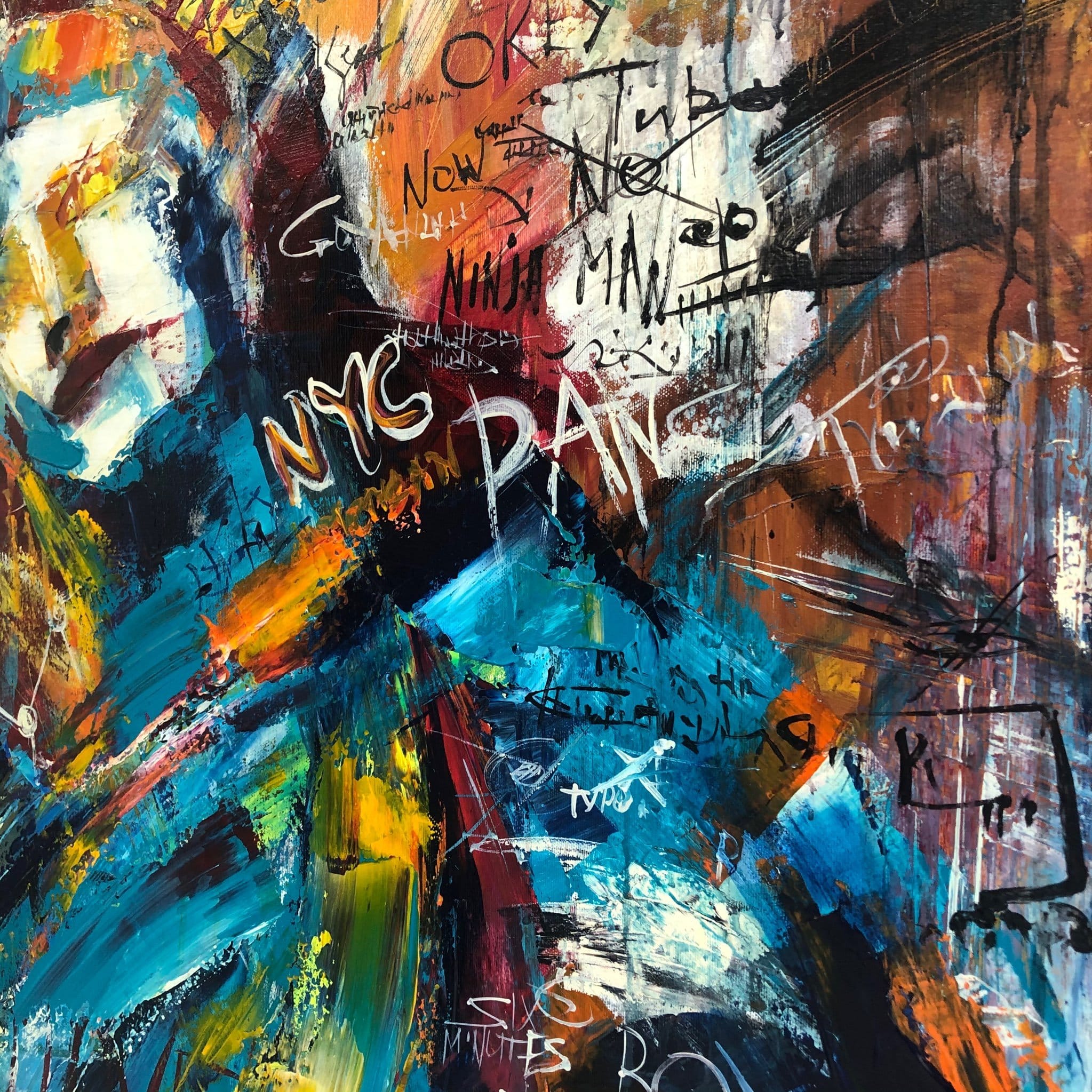
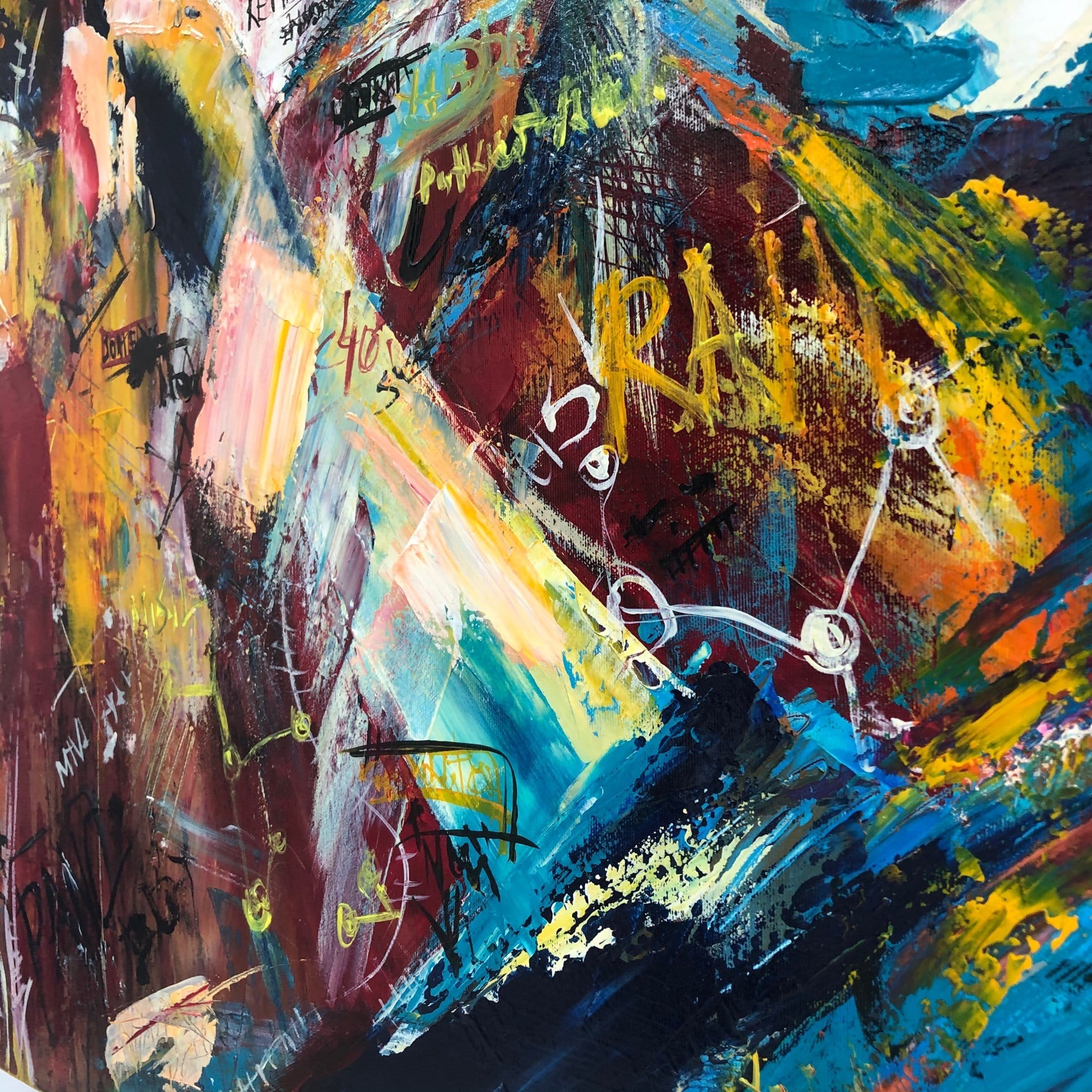
The history of abstract painting is one of emotion and symbolism. Artists from Kandinsky to Pollock used abstraction to capture what words could not—movement, energy, and pure feeling.
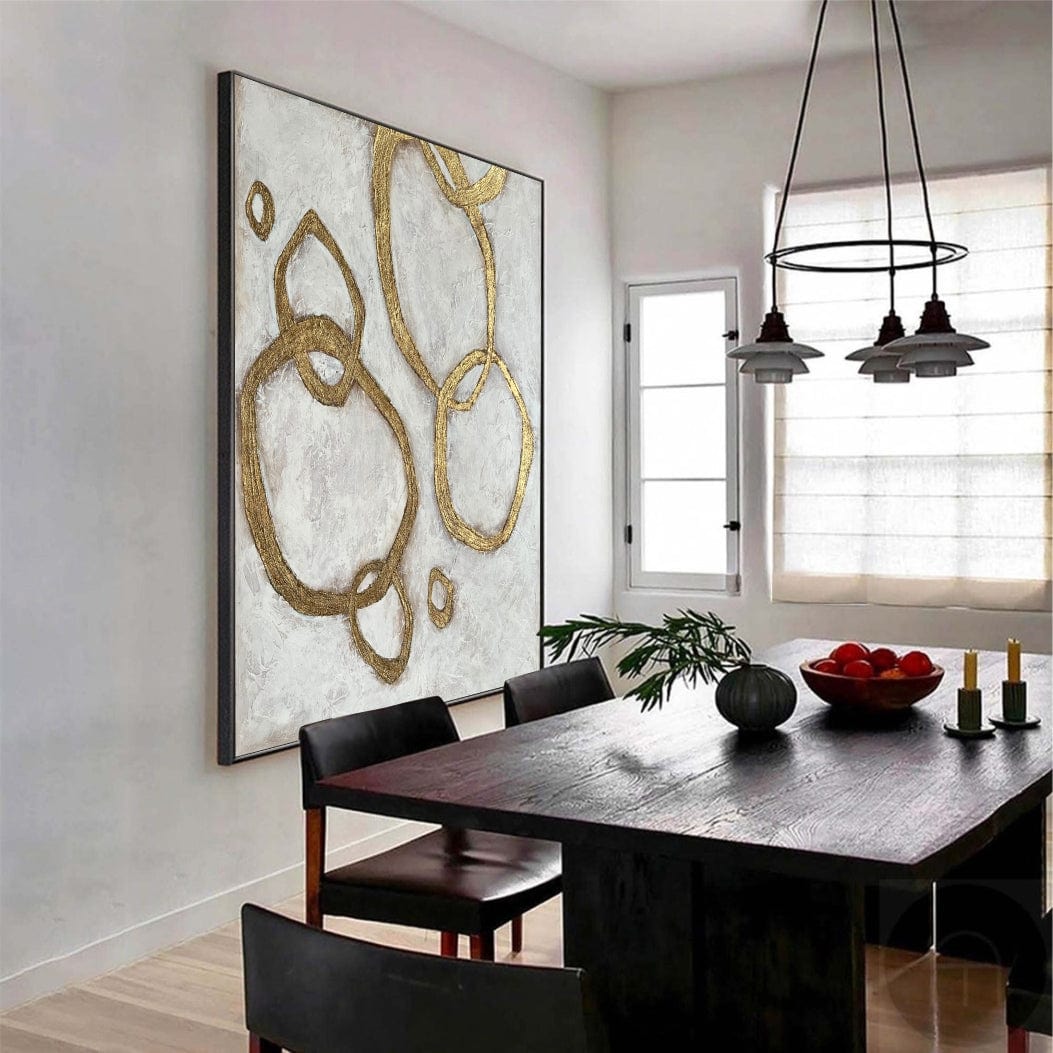
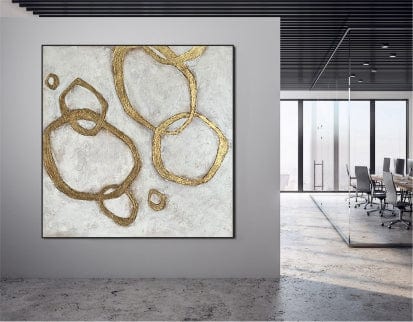
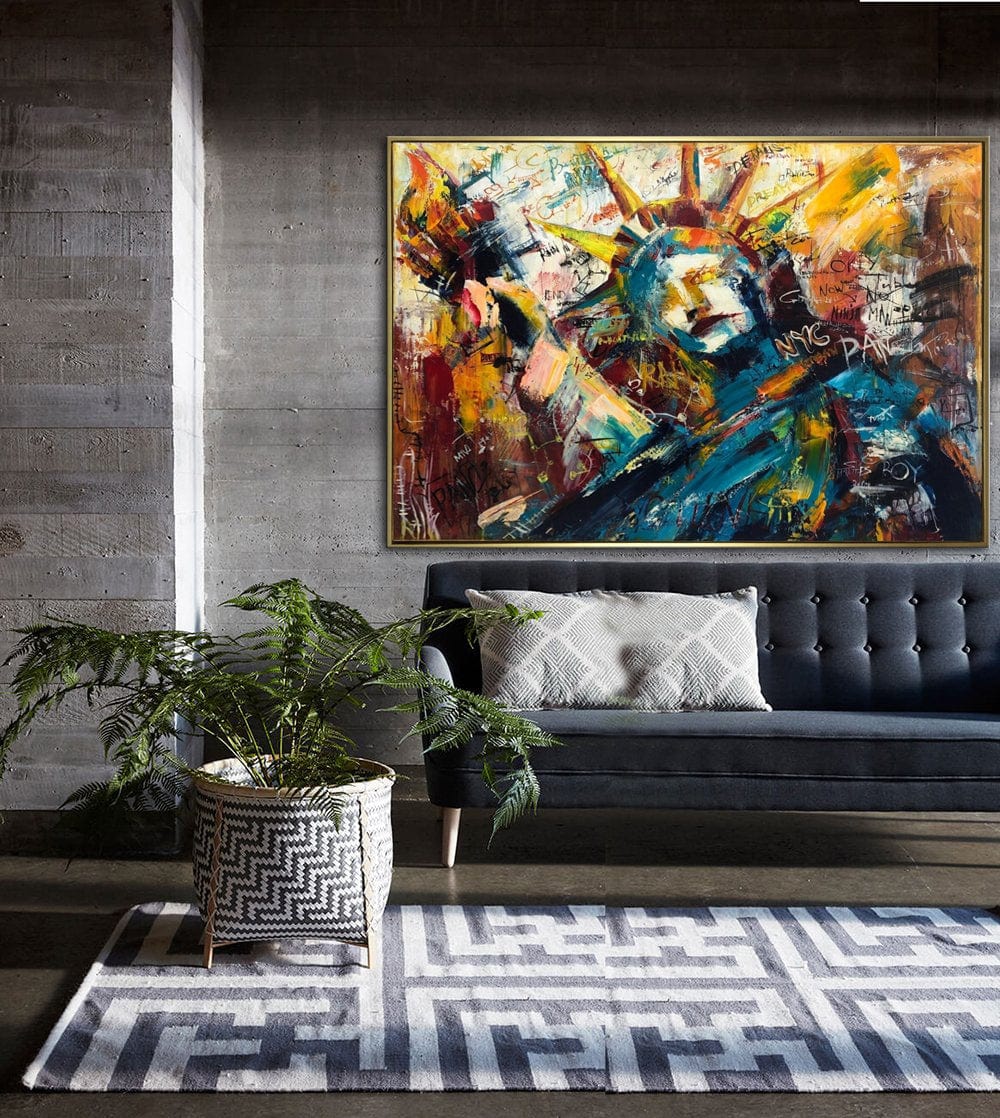
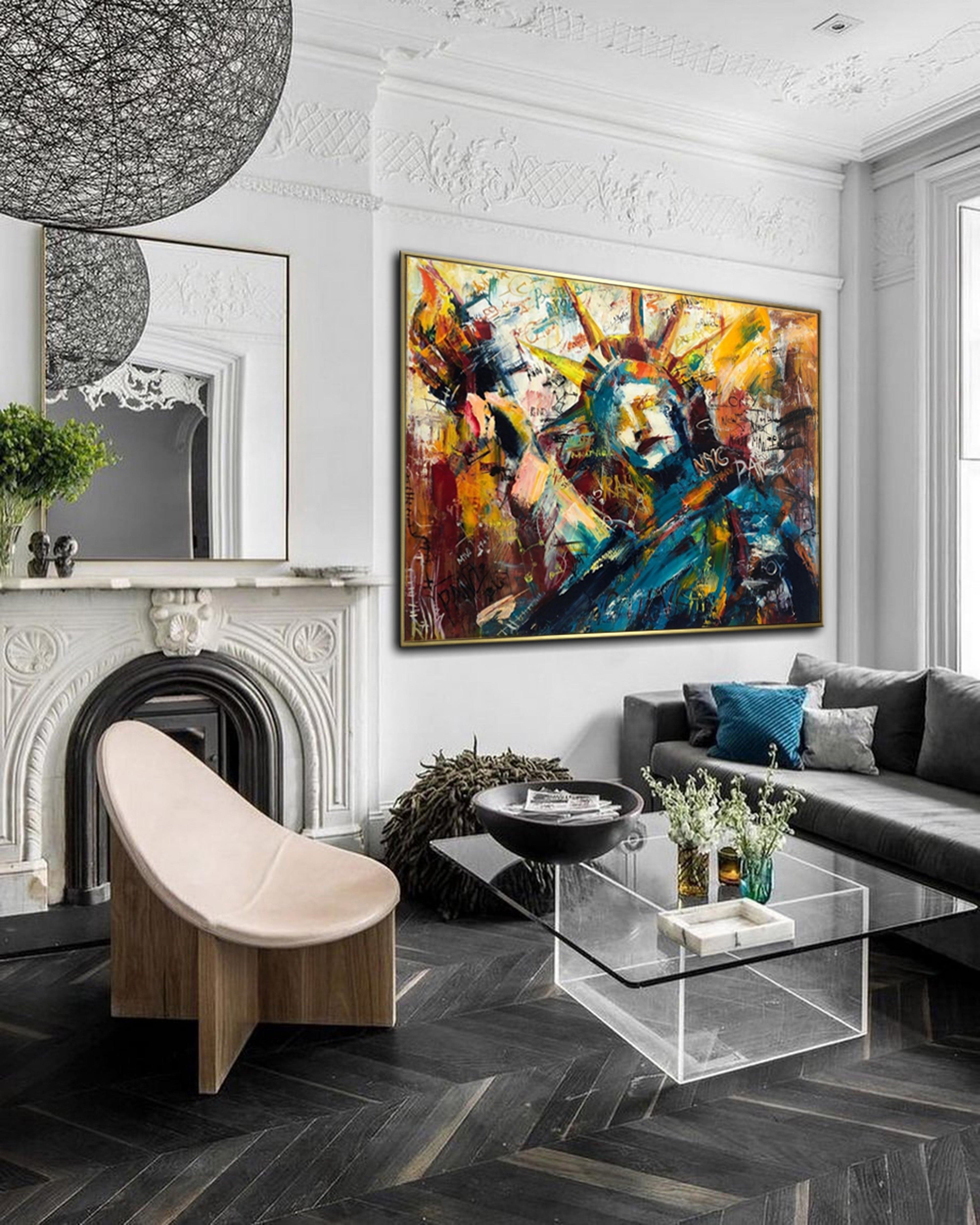
Today, abstract art extends beyond galleries. It influences graphic design, fashion, advertising, and interior decoration, proving that modern painting remains a laboratory for visual innovation.