Acrylic vs Oil Painting: What is the Difference and Which One Is Best for Your Artwork?

Introduction: Choosing the Right Medium

Are you trying to choose between acrylic or oil paintings? Understanding the difference could transform your space and help you pick the perfect piece of art that lasts for generations. Acrylic vs oil painting is one of the most common debates in the art world, and knowing the strengths of each will guide you as both a buyer and a collector.

What is the Main Difference Between Acrylic and Oil Paintings?

At their core, the two mediums differ in base ingredients and behaviour:

  • Acrylic = water-based, dries quickly, and suits modern, experimental styles.

  • Oil = oil-based, dries slowly, and is rooted in centuries of fine art tradition.

Beyond chemistry, the differences between oil vs acrylic painting extend to finish, longevity, and even scent. Acrylic paintings have little odour and are allergy-friendly, while oil paintings often carry the smell of linseed oil or turpentine.

Advantages of Acrylic Paintings

Quick and Convenient

  • Fast-drying: Ideal if you want your artwork to be delivered quickly or need a fast turnaround for interior projects.

  • No odour: Water-soluble, with no harsh chemicals.

Durability

  • UV resistant: No yellowing or fading over time.

  • Minimal cracking: Maintains integrity even in varying climates.

Versatile Techniques

  • Compatible with brush, spatula, and even airbrush techniques.

  • Perfect for abstract, textured, or layered artworks.

Eco-Friendly

  • Allergy-safe, non-toxic, and sustainable compared to traditional oil mediums.

COLIBRI from $340.72
COLIBRI from $340.72+
COLIBRI from $340.72
size up to 76"x114"
COLIBRI from $340.72
frame option
COLIBRI from $340.72
free worldwide shipping
1/2

Advantages of Oil Paintings

Richness and Depth

  • Slow drying = artists can blend colours gradually, achieving subtle transitions.

  • Vibrant pigments: Oils offer unparalleled depth and richness of colour.

Flexibility

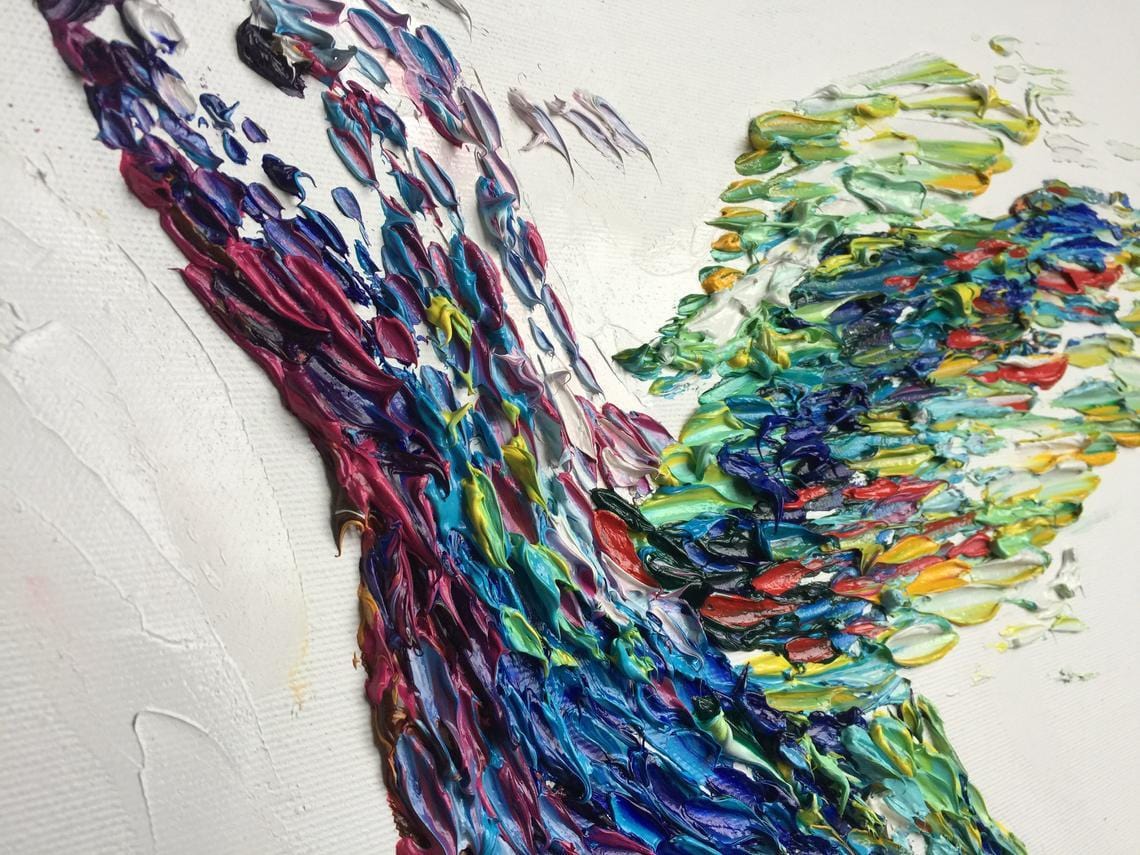
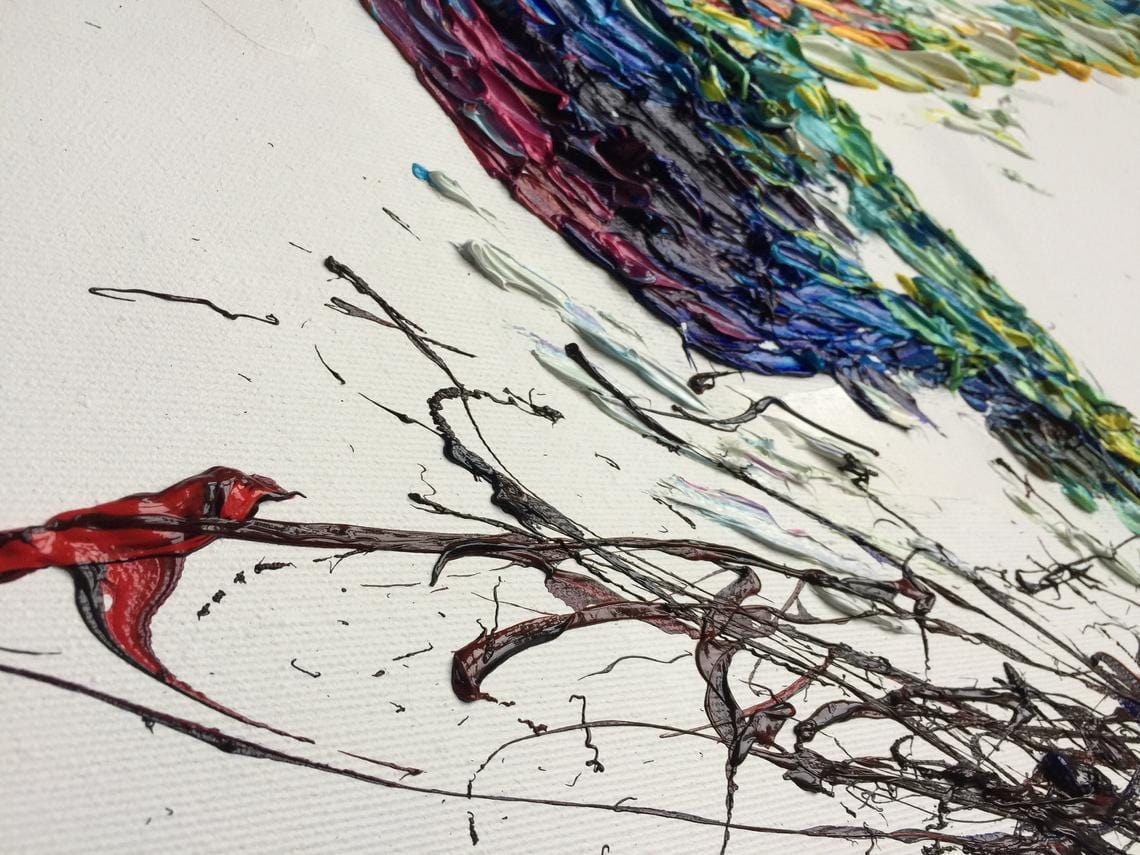
  • Excellent for texture, relief, and glazing techniques.

  • Ideal for portraits, realism, and expressive detail.

Longevity

  • Time-tested: oils have lasted centuries in museums, proving their durability and collectability.

  • Traditionally seen as of a higher value by many collectors.

Acrylic vs Oil Painting: Which Should You Choose?

When to Choose Acrylic

  • Modern interiors or contemporary décor.

  • Fast turnaround or shipping deadlines.

  • If you would like allergy-friendly or eco-conscious options.

When to Choose Oil

  • If you admire classic, timeless aesthetics.

  • When investing in long-lasting, heirloom-quality works.

For expressive or detailed art where texture matters.

TrendGallery Examples

At TrendGallery, both acrylic and oil are offered, each carefully adjusted to client needs.

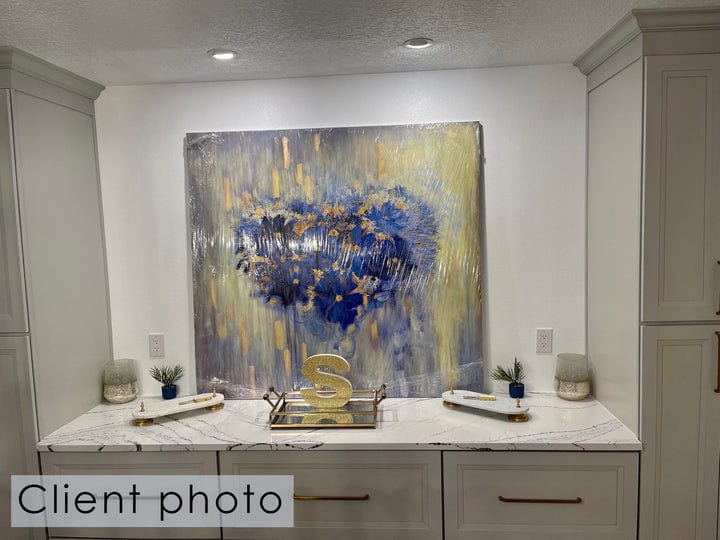
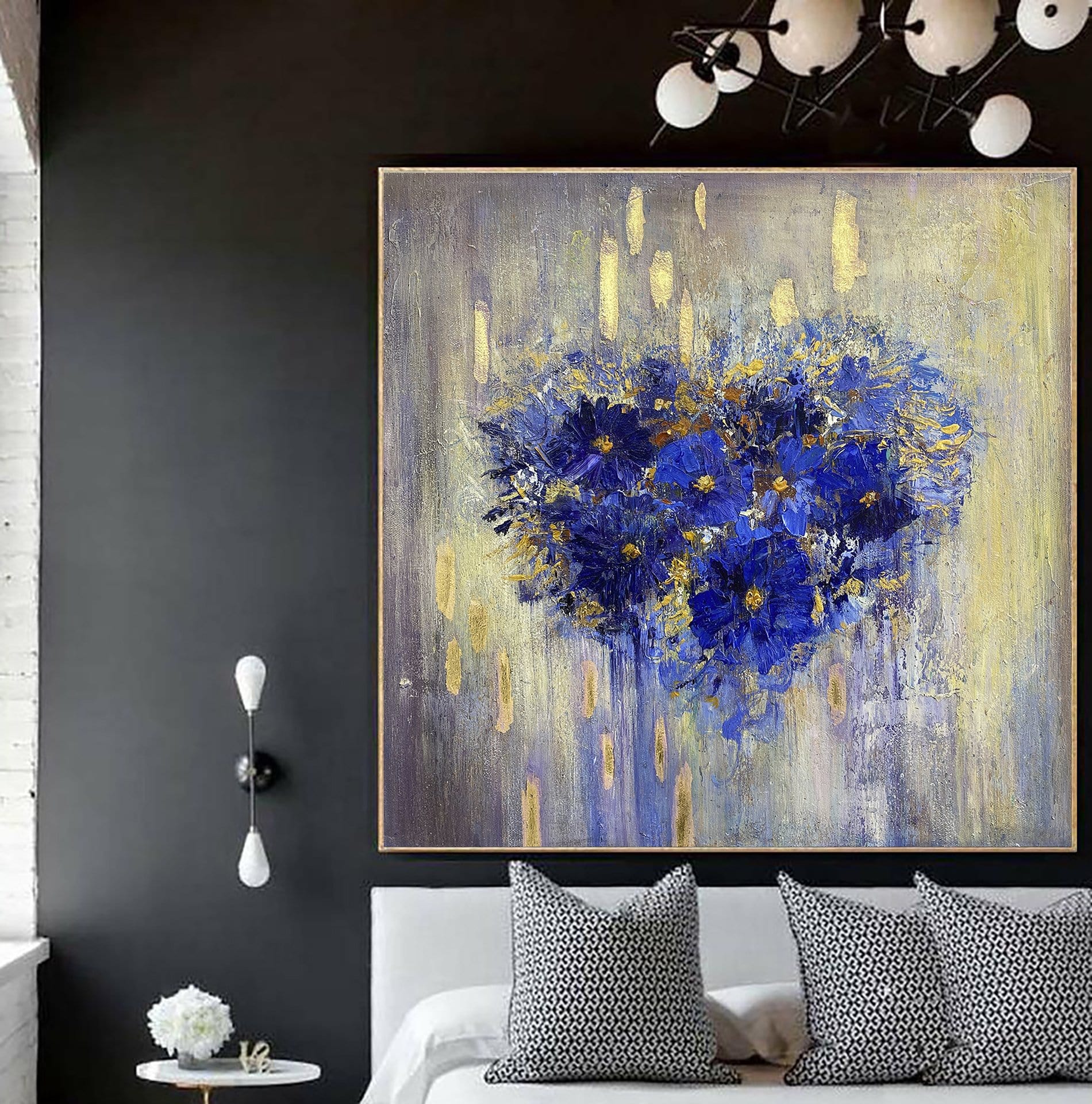
  • FLOWER HEART (from $350.26) – A delicate acrylic piece in clean colours, representing a modern versatility.

  • CUSTOM PORTRAIT OPTIONS – Painted in oil for timeless texture and an heirloom value.

  • ABSTRACT LAYERS – Acrylic on canvas, bold and fast-drying, ideal for modern walls.

Whether you prefer a vibrant immediacy of acrylic or a deep resonance of oil, TrendGallery helps you decide based on your interior style and timeline.

TrendGallery.art: Helping You Decide

TrendGallery offers high-quality custom paintings in both acrylic and oil. Every painting is hand-crafted by professional artists and can be customised in size, palette, and framing.

Not sure which style fits your home or office? TrendGallery design consultants provide free consultations, assisting you with choosing the paint type that matches your lifestyle, deadlines, and décor vision.

Still Unsure—Acrylic or Oil?

Contact TrendGallery for expert advice and explore custom paintings designed just for your space. Whether you want modern acrylic abstracts or timeless oil masterpieces, we will gladly help you choose the best variant.

👉 Get Started →

HOW TO MATCH A PAINTING TO YOUR SPACE

What is the difference between acrylic and oil paintings?
The main difference lies in their base and behaviour. Acrylics are water-based, dry quickly, and are easy to work with. Oil paintings are oil-based, dry slowly, but allow complex blending. Acrylics suit fast modern projects, whereas oils are rooted in tradition and valued for their richness and longevity.
Is acrylic painting better than oil painting?
Neither is universally “better”—it depends on your needs. Acrylics are better if you want quick delivery, eco-friendly materials, or allergy-safe décor. Oils are better if you seek classic aesthetics, deep textures, and a long-term investment that can last for centuries.
Which is more durable: oil or acrylic paint?
Both are durable, but in different ways. Oil paintings have proven to last for centuries in museums, though they may yellow or crack if not maintained. Acrylic paintings are more resistant to UV light, do not yellow, and are less prone to cracking in changing climates—which make them ideal for modern homes and offices in any continent.
How do I know if a painting is oil or acrylic?
You can often tell by texture and finish. Oil paintings have a richer gloss, thicker brushstrokes, and sometimes a faint smell of linseed oil. Acrylics usually have a flatter, matte finish unless varnished, and they dry much faster, leaving sharper layers without blending.
Is oil or acrylic paint better for home décor?
For contemporary interiors and quick projects, acrylics are usually the better fit. For traditional or luxury spaces where texture, prestige, and depth are important, oils are the superior choice. Ultimately, the best medium depends on the interior style and the mood you want to create.