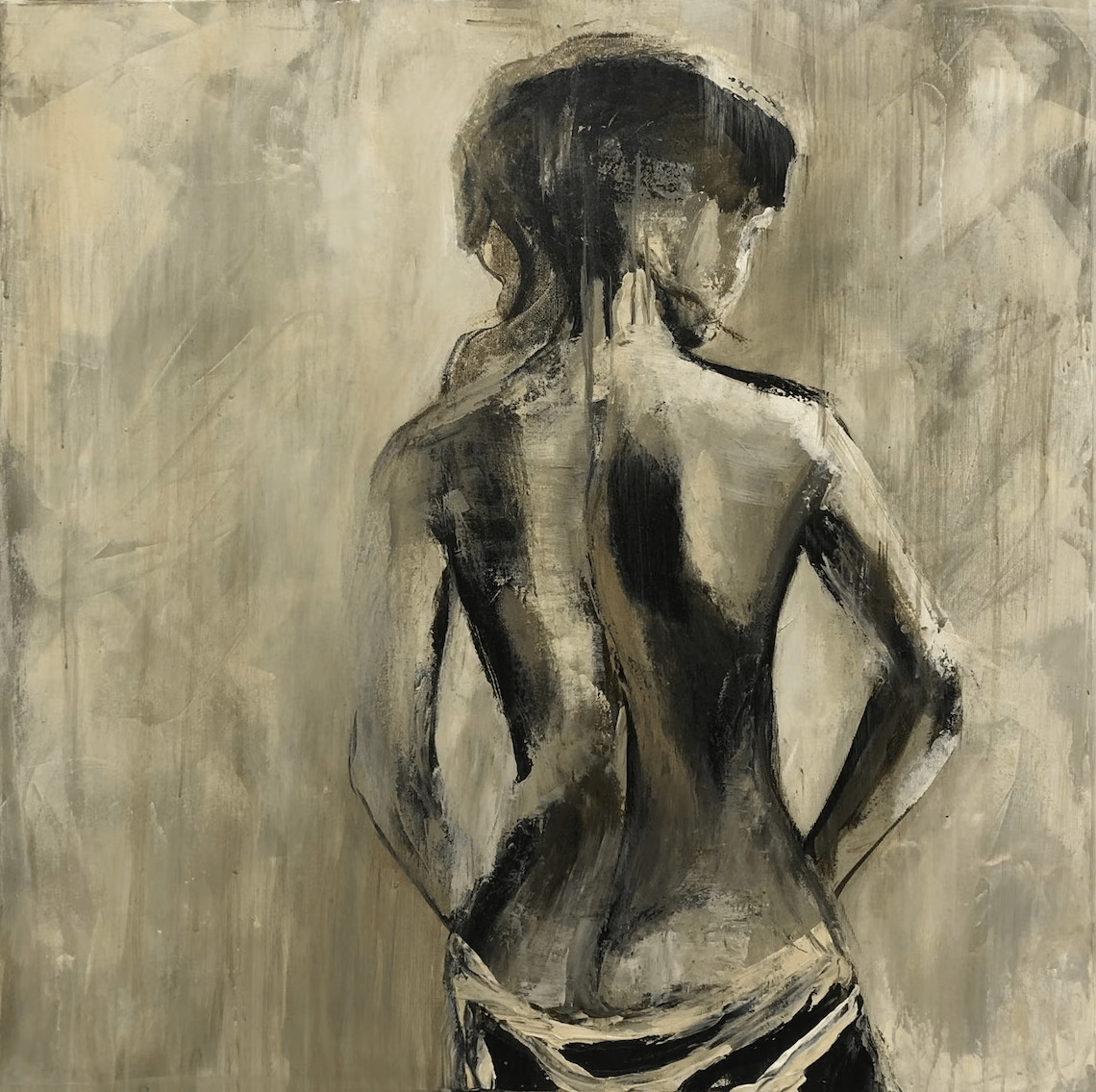
As one of the most renowned subjects in painting, sculpture, and even architectural design, the human body has always captivated artists. For generations, naked art has offered a glimpse into the depths of human nature and emotion by capturing the beauty, fragility, and strength of people. These works, which range from the vivid, expressive paintings of the Renaissance to the classical sculptures of ancient Greece, have defied cultural norms and influenced our understanding of beauty by allowing viewers to recognize the human form as both necessary and natural.
After being restricted for a long time by the Roman Church during the Middle Ages, the popularity of the nude in Western art flourished during the Renaissance. By reclaiming the human form and utilizing nudity to investigate issues of desire, holiness, and purity, artists produced works that reflected wider social and spiritual ideals while simultaneously celebrating the beauty of the body. David by Michelangelo and The Birth of Venus by Botticelli are two examples of works of art that have become icons and still have an impact today.
Despite its popularity, nude art has regularly generated discussion and controversy, which frequently results in demonstrations and criticism from the general population. It continues to push limits and provoke discussions about the place of nudity in art and society today. Nude art continues to have the ability to elicit thinking and cut across time and cultural boundaries.
In this article, we’ll explore seven iconic nude artworks that continue to captivate audiences, showcasing the timeless allure, meaning, and beauty that these masterpieces bring to the art world.
Why Does Nude Art Continue to Challenge and Inspire?
As ideas about beauty, identity, and human feeling have changed over the years, naked art has maintained a prominent position in society. The human body was considered by the Greeks of classical antiquity to be the pinnacle of harmony, balance, and beauty. The Venus de Milo and Discobolus were two examples of sculptures that emphasized idealized forms, glorifying physical perfection and presenting heroes, athletes, and gods as symbols of grace and strength. The basis for portraying the human body as both natural and sacred was laid by these pieces.
The Renaissance elevated naked art to new heights by rekindling this interest in the human form. Under the influence of classical ideals, painters such as Michelangelo and Leonardo da Vinci studied anatomy to produce intricate, realistic paintings that exalted the human form and conveyed a deep sense of spiritual reverence and complicated emotions. Michelangelo's David and Botticelli's The Birth of Venus are two well-known works that honor physical beauty and exalt nudity as a sign of strength, intelligence, and purity.
Henri Matisse and Auguste Rodin, among others, tackled the nude in novel ways as the 19th and early 20th century progressed, expressing unadulterated emotion and individual individuality. Rodin's works, such The Kiss and The Thinker, highlighted the body's expressive capabilities and portrayed nudity as intensely personal and reflective. But in pieces like Blue Nude, Matisse defied conventional aesthetics by utilizing vivid colors and straightforward shapes to express a feeling of liberty and uniqueness. Their interpretations of the nude gave depth to the meaning, seeing the body as a conduit for human experience and personal truth in addition to being a beautiful object.
Nude art has continuously challenged social norms throughout history, igniting discussions about sexuality, modesty, and artistic independence. These pieces challenge social conventions and challenge viewers' ideas of beauty and vulnerability by candidly depicting the body. Nude art has left a legacy that inspires and provokes thinking throughout history by delivering significant messages about the human condition. It is still a potent genre today, reflecting people's continuous interest in identity, unadulterated emotion, and the beauty of the natural world.
The Language of the Body: Analyzing Iconic Nude Artworks
Nude art has long been a source of fascination and inspiration, with each era presenting its unique take on the human form. From the Renaissance’s reverence for beauty to modern art’s embrace of abstraction, famous nude paintings and sculptures have shaped cultural views of nudity. Below is an analysis of three iconic pieces, each reflecting a different aspect of artistic nudity.
#1. Botticelli’s ‘Birth of Venus’

The Birth of Venus by Sandro Botticelli is one of the most celebrated nude female art pieces from the Renaissance, capturing the goddess Venus as she emerges from the sea on a shell. This nude painting embodies the idealized beauty and grace of femininity, symbolizing purity, love, and divine creation. Venus stands with a modest, serene expression, her flowing hair covering parts of her body, hinting at both innocence and allure. Botticelli’s use of soft lines and pastel colors enhances the ethereal quality of the piece, making it appear almost dreamlike.
In Renaissance society, artistic nudity was associated with higher virtues. Botticelli’s depiction of Venus challenges the notion of nudity as taboo, inviting viewers to appreciate the beauty of the human form in a spiritual context. The artwork suggests that nudity, when approached with reverence, can symbolize purity and transcendence. This iconic piece continues to influence nude art by celebrating the feminine form as a symbol of life and beauty, showcasing how nudity can embody both physical and spiritual ideals.