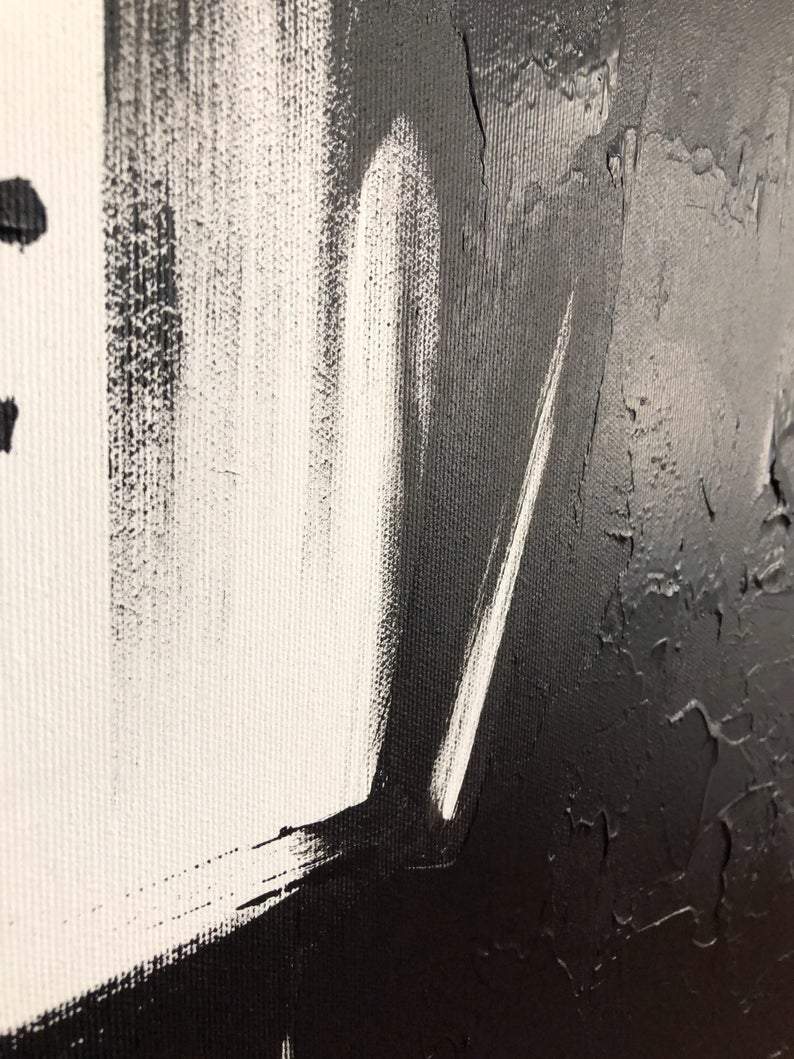
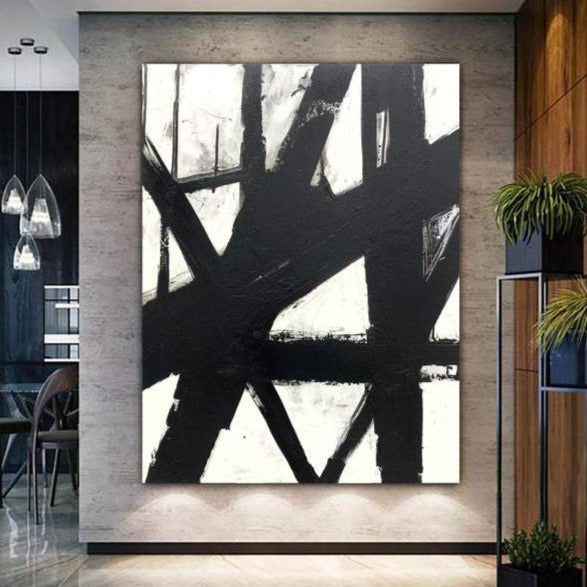
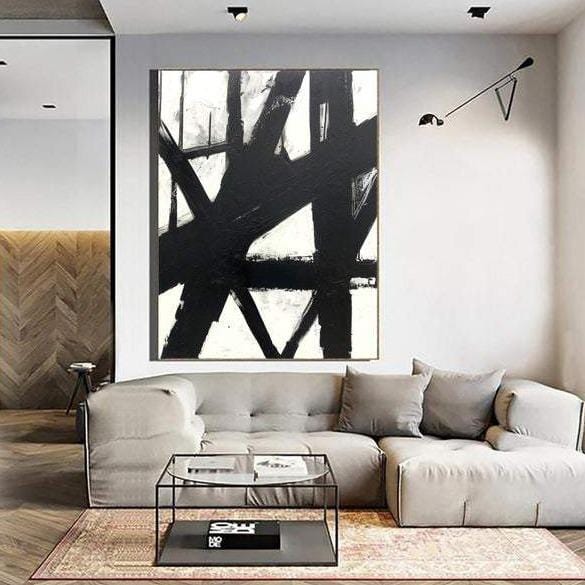
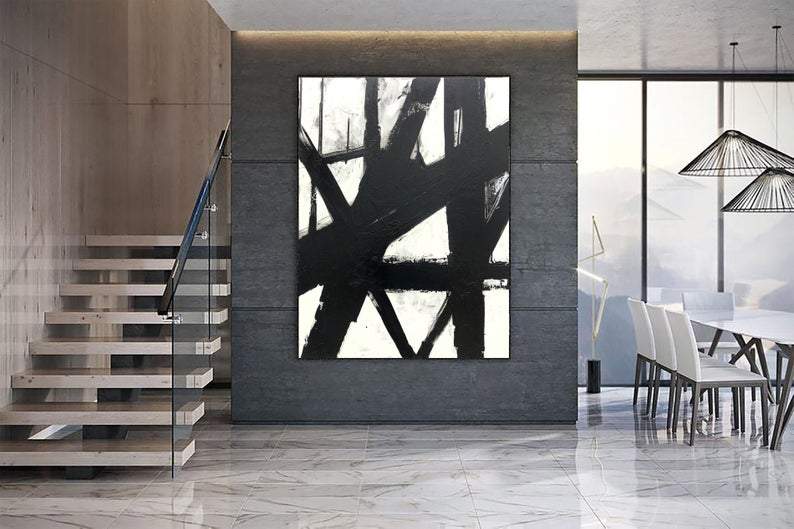
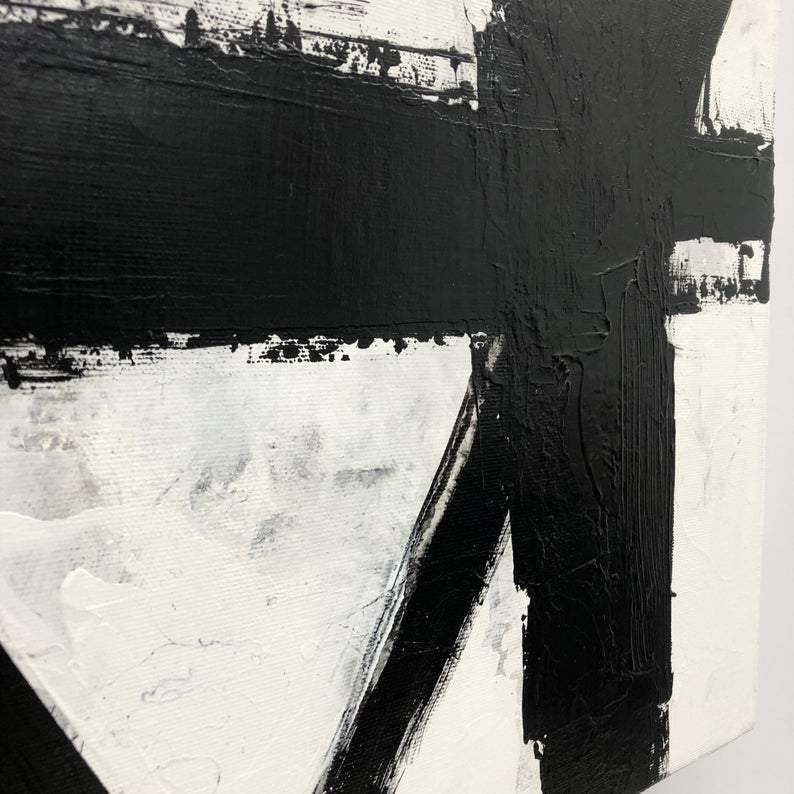
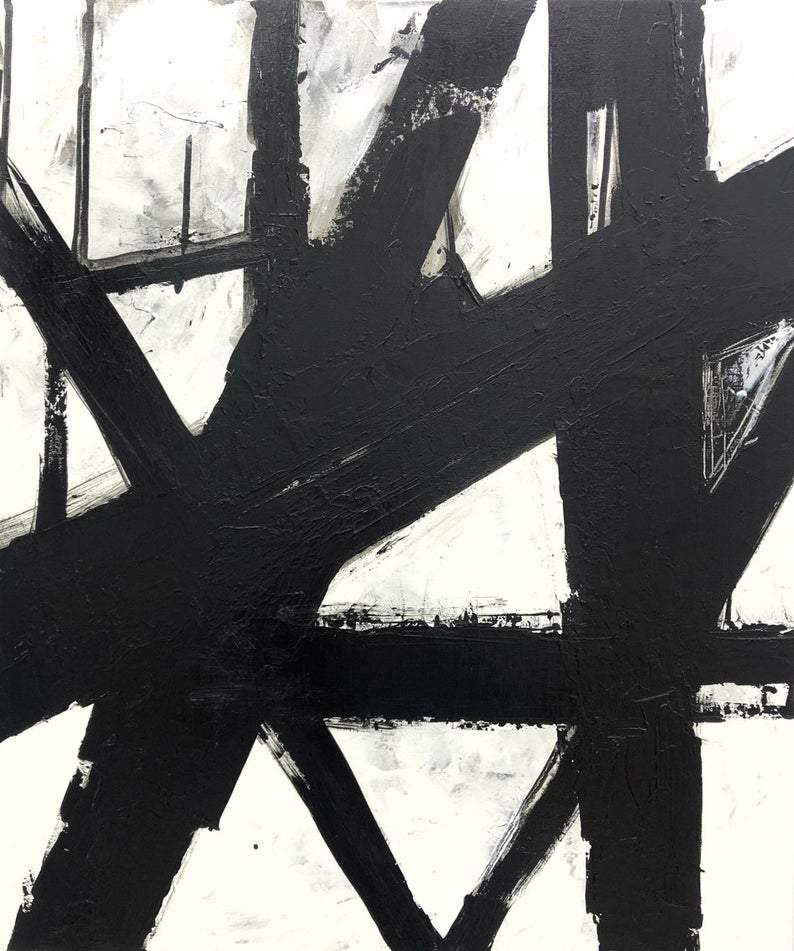
Franz Kline's paintings transformed abstract art with his powerful black and white shapes. They were bold, startling, and brimming with unfiltered passion. Kline is well-known for his broad, expressive brushstrokes, which elevated a simple color scheme to a potent expressive tool. His paintings invite viewers to experience the unadulterated depth of abstract expressionism by capturing strong energy and movement that transcends simple patterns and contrasts. Kline’s distinctive approach redefined the potential of black and white, proving that color isn’t always necessary to evoke emotion and impact. As we dive into the world of Franz Kline, we’ll explore how his work challenged conventions, inspired fellow artists, and solidified his place as a leading figure in abstract art!
From Color to Contrast: The Radical Evolution of Franz Kline’s Paintings
Franz Kline’s artistic journey is a story of transformation, evolving from figurative to abstract forms that would come to define his legacy. Franz Kline early paintings reveal his initial focus on landscapes and portraits, with a strong influence from classical masters like Rembrandt and Manet. Kline's paintings from this early era showed a painstaking attention to detail, capturing depth and form that revealed his technical proficiency. His works from this period show a focus on ordinary themes that evokes Manet's realistic yet expressive style, together with a sensitivity to light and shadow that pays homage to Rembrandt's influence.

Hot Jazz
In the 1940s, however, Kline's artistic approach underwent a significant change after relocating to New York City. Abstraction drew Kline in as she was surrounded by modernist concepts and the city's thriving art scene. During this time, his friendship with fellow artist Willem de Kooning was essential. Kline was urged by De Kooning to transcend conventional limits and experiment with more avant-garde modes of expression.
One fascinating moment in Kline's evolution occurred when de Kooning projected Kline's small, black-and-white sketches onto a large wall, revealing the bold potential of his strokes on a larger scale. This realization was crucial because it led Kline to start experimenting with bigger canvases, which is how the famous Franz Kline paintings that are seen today came to be, with their strong black brushstrokes on enormous white canvases. Through dynamic, flowing lines, he combined simplicity and complexity to create a piece that evoked a strong emotional response.
Franz Kline's color paintings also appeared during this time, giving his abstract shapes a new dimension, even if his black-and-white compositions are his most well-known work. Without sacrificing the dramatic contrast that became his trademark, Kline added depth and vibrancy by combining hues like blue, green, and red. His limited color palette allowed him to create pieces that retained the drama of his monochromatic works while introducing new layers of interpretation, giving audiences a fresh perspective on his artistic range.
 New York, 1953
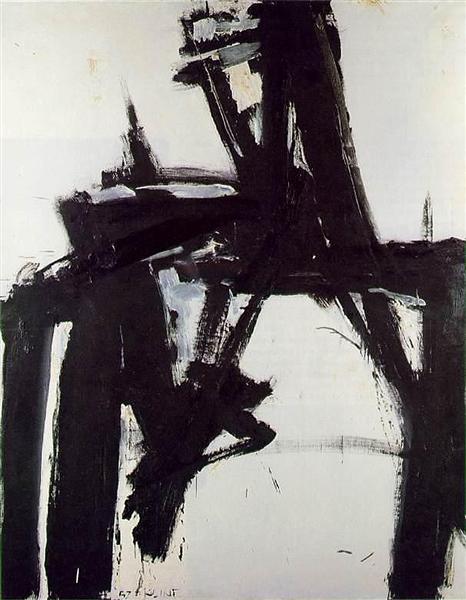
Untitled
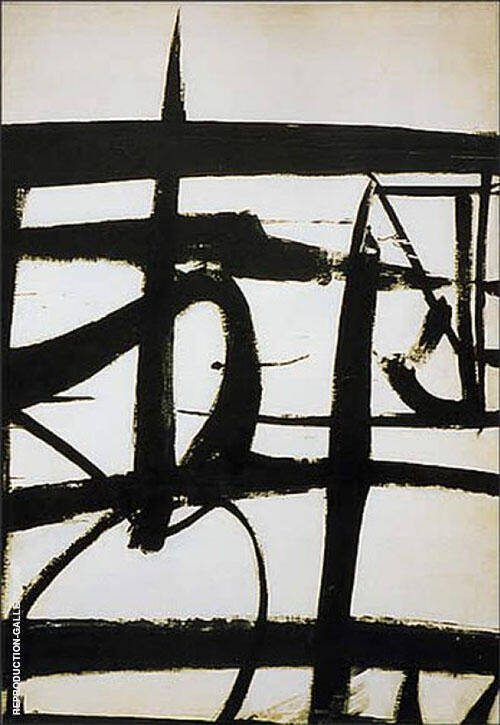
Cardinal, 1950
Kline’s transition from landscapes to abstract forms represents his journey toward pure expression. Even now, his organized compositions and the weight of each line and stroke retain the imprint of his early years. Franz Kline became a trailblazer in abstract expressionism when he changed his style to abstraction, which turned his artwork into a visual language that expressed emotion beyond representation. His transition from figurative to abstract work not only shows how he changed as a person but also influenced modern art, encouraging many other painters to value unvarnished expression over accurate portrayal.
What Makes Franz Kline’s Black and White Paintings So Powerful?
Franz Kline’s abstract expressionism is best captured in his iconic black and white paintings, where broad, gestural brushstrokes evoke both power and precision. These works are rooted in a technique known as action painting, in which Kline applied paint with broad, swift strokes, often using household paint brushes to emphasize the movement and physicality of his process. The strokes appear raw and instinctive, yet there’s a careful composition behind each line. Kline’s work balances spontaneity with structure, creating images that feel dynamic yet intentional.
The essence of Franz Kline black and white paintings lies in this tension between instinct and control. The stark contrast of black against white amplifies the energy within each piece, highlighting the drama and intensity of his brushwork. Unlike the elaborate, colorful compositions of other abstract expressionists, Kline chose a minimal palette, focusing on the depth and texture of each stroke. His bold, sweeping lines on large canvases were not just abstract shapes; they conveyed emotion, movement, and a sense of immediacy. The viewer can almost sense the energy with which Kline applied each stroke, creating a visceral connection between the artist and the observer.


Kline’s approach to abstract expressionism was deeply influenced by his experiences in New York’s dynamic art scene and his close relationships with artists like Willem de Kooning, who also embraced bold, expressive techniques. However, while others often explored vivid colors, Kline believed that black and white could convey the same level of depth and complexity. This simplicity allows the viewer to focus entirely on form and movement without the distraction of color, emphasizing the raw power of each piece.
His action painting technique transformed his canvases into fields of energy and emotion. Each line and brushstroke represents a choice, a moment of connection between Kline’s inner expression and the outer world. Through his bold, gestural style, Kline redefined abstract expressionism, proving that even the simplest palette could evoke the most powerful reactions. His work invites viewers into a world where form and feeling merge, capturing the very essence of human expression in stark black and white.
The Timeless Power of Franz Kline’s Most Celebrated Works
Chief, White Forms, and Mahoning are among Franz Kline's most well-known paintings, which demonstrate his command of abstract expressionism and his singular capacity to evoke strong feelings with sparse use of color. These pieces, characterized by striking black and white shapes, are praised for their unadulterated vitality and intricate simplicity. Viewers are drawn into Kline's emotive, almost visceral universe through the use of strong, sweeping brushstrokes and striking contrasts in each picture, which have come to define his style.