Introduction: A Puzzle Centuries in the Making
What makes a 17th-century painting still one of the most debated artworks in the world today?
Las Meninas by Diego Velázquez holds secrets that continue to fascinate scholars and artists alike. A princess, a painter, a mirror, and a room full of intrigue—this is more than a portrait. It is a visual riddle that has challenged interpretations for centuries, weaving together power, perspective, and painterly genius.
First displayed in 1656, Las Meninas remains one of the most studied works in Western art history. Its mastery of perspective and light, combined with its layered symbolism, has inspired everyone from Pablo Picasso to modern-day conceptual artists. Today, it is considered not just a Baroque masterpiece, but a blueprint for visual storytelling.
Who Painted Las Meninas and Where Was It Created?

The Las Meninas artist, Diego Velázquez, served as court painter to King Philip IV of Spain. Born in Seville in 1599, Velázquez rose to prominence for his remarkable ability to capture human presence with honesty and grandeur. By the time he painted Las Meninas, he was at the height of his career, enjoying rare access to Spain’s royal family.
The painting was created in 1656 in the royal Alcázar of Madrid—specifically in Velázquez’s studio inside the palace. This location is critical: it allowed Velázquez to paint both himself at work and members of the royal household in a single composition, blurring the line between artist, subject, and viewer.
Inside the Painting: A Visual Walkthrough

To truly understand the meaning of the Las Meninas, you need to “step into” the scene. At first glance, you see Infanta Margarita Teresa, the young daughter of King Philip IV and Queen Mariana, bathed in light. Around her there are standing meninas—ladies-in-waiting—attending to her every need.
Characters in the scene include:
Infanta Margarita – The radiant focal point, her golden hair and pale dress glowing in the soft illumination.
Doña Isabel de Velasco and Doña María Agustina Sarmiento – The meninas whose postures suggest motion and attentiveness.
Diego Velázquez – The painter himself, standing before a massive canvas, with a brush in his hand, looking directly toward the viewer—or the King and Queen?
Two court dwarfs – Mari Bárbola and Nicolasito Pertusato, symbols of both court life and the painter’s interest in portraying all subjects with dignity.
Bodyguard – Standing to the rear, balancing the depth of the composition.
José Nieto – The chamberlain, frozen mid-step in the lit doorway, perhaps entering or leaving.
The King and Queen – Reflected in a mirror at the back, their presence is ghostly but at the same time central to the mystery.
Light, Perspective, and Composition
Velázquez uses light as a narrative force—Infanta Margarita is shining in the foreground, while the far doorway is glowing and drawing the eye deep into the space. The composition is a masterclass in perspective, with multiple vanishing points that create a dizzying play between reality and illusion.

What Does Las Meninas Mean?
The Las Meninas interpretation is as layered as the painting itself. Scholars propose several readings:
Artistic Autonomy – By placing himself among royalty, Velázquez asserts the dignity of the artist, elevating painting to a noble pursuit.
Commentary on Social Structure – The inclusion of dwarfs, servants, royalty, and the painter himself reflects the rigid yet interconnected hierarchy of the Spanish court.
Reality vs. Representation – Is Velázquez painting the royal couple? The viewer? Both? The blurred boundary between art and reality is part of an enduring fascination of this artwork.
This complexity of its meaning is why the las meninas continues to spark debate: it is both a document of a real moment and a conceptual statement on the act of seeing.
Why Is Las Meninas So Important?
When asking why is Las Meninas so important, the answers span technique, influence, and cultural resonance:
Perspective Revolution – Velázquez places the viewer inside the scene, forcing them to question their own role.
Precursor to Modern Art – Philosophers such as Michel Foucault have analyzed it as a conceptual experiment far ahead of its time.
Feminist and Political Readings
From a feminist lens, Las Meninas can be read as a subtle commentary on women’s visibility. While the Infanta is central, her agency is mediated by attendants, court expectations, and the unseen gaze of the monarchs. The meninas themselves embody the service roles afforded to noblewomen in the 17th century.
Politically, the painting reinforces—but also questions—the power hierarchy. Velázquez’s prominent self-portrait suggests the artist’s independence within the court, a rare statement in a period when art was often pure propaganda.
Art Style and Influence
Velázquez’s Baroque style here is both grand and restrained. His brushwork is loose but precise, his palette is warm but naturalistic. He captures atmospheric depth with a softness that seems almost Impressionistic—two centuries before Impressionism.
Influences and Legacy
Pablo Picasso created a 58-piece reinterpretation series of Las Meninas in 1957.
Michel Foucault opened his seminal book The Order of Things with an analysis of the painting.
What Does “Las Meninas” Mean in English?
Las Meninas is translated as “The Ladies-in-Waiting.” The title was applied later, replacing earlier descriptions such as “The Family of Philip IV.” The choice of title shifts interpretation, focusing on the attendants rather than the royal couple or the painter, subtly altering the work’s emphasis.
Modern Connection to Las Meninas at TrendGallery
Our artists are inspired by the timeless mastery of works such as Las Meninas. We take Velázquez’s brilliance in light, space, and human storytelling and bring it into modern interiors.
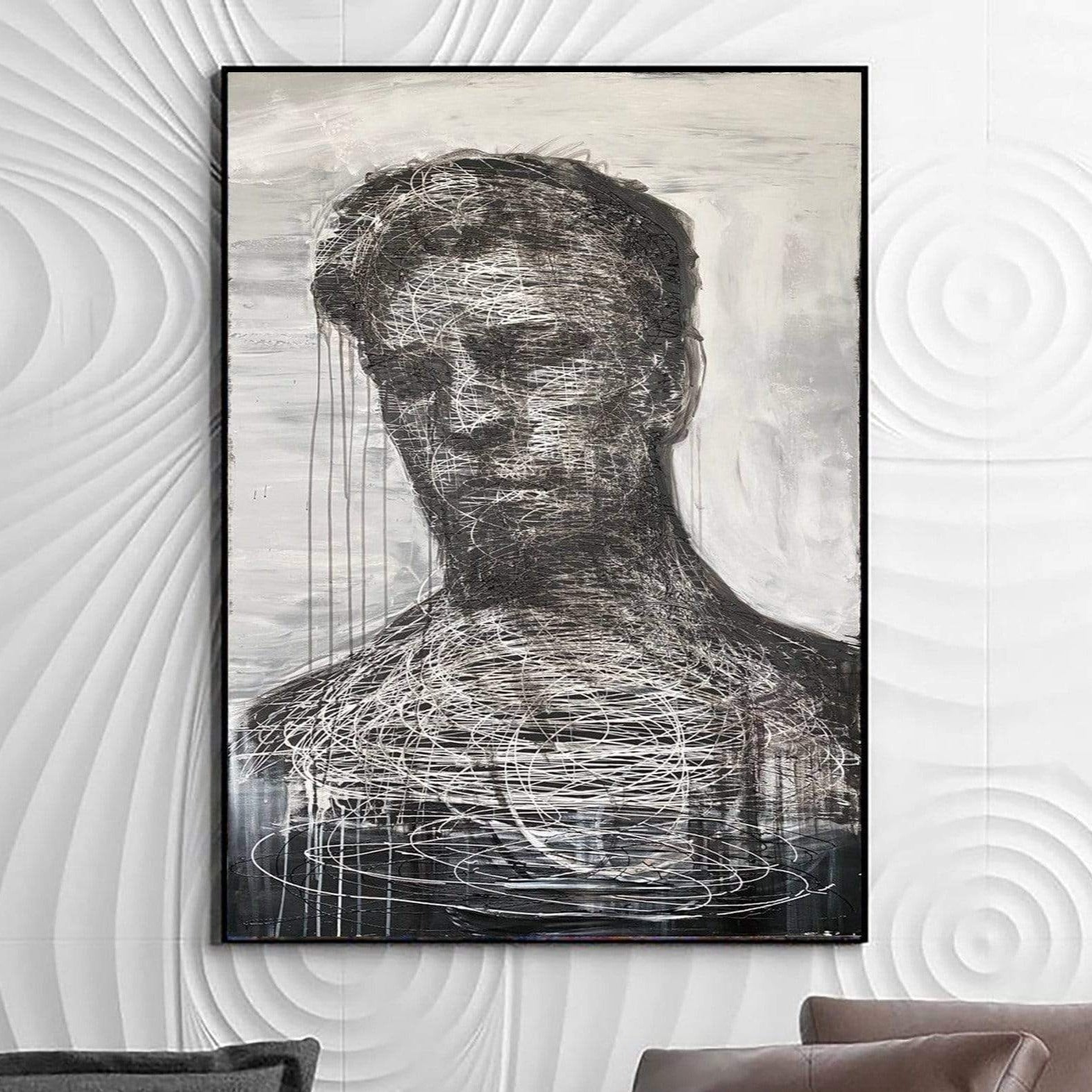
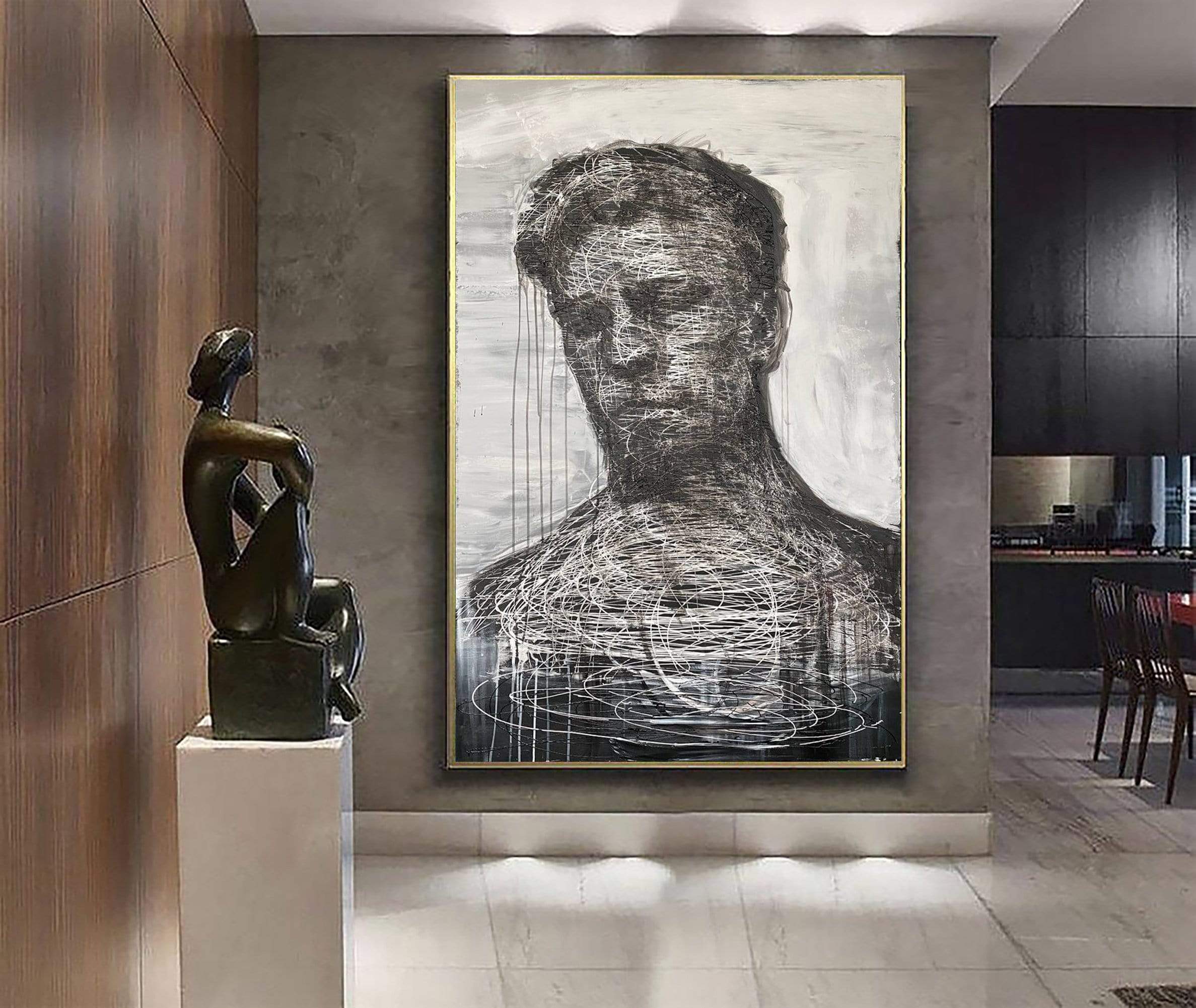
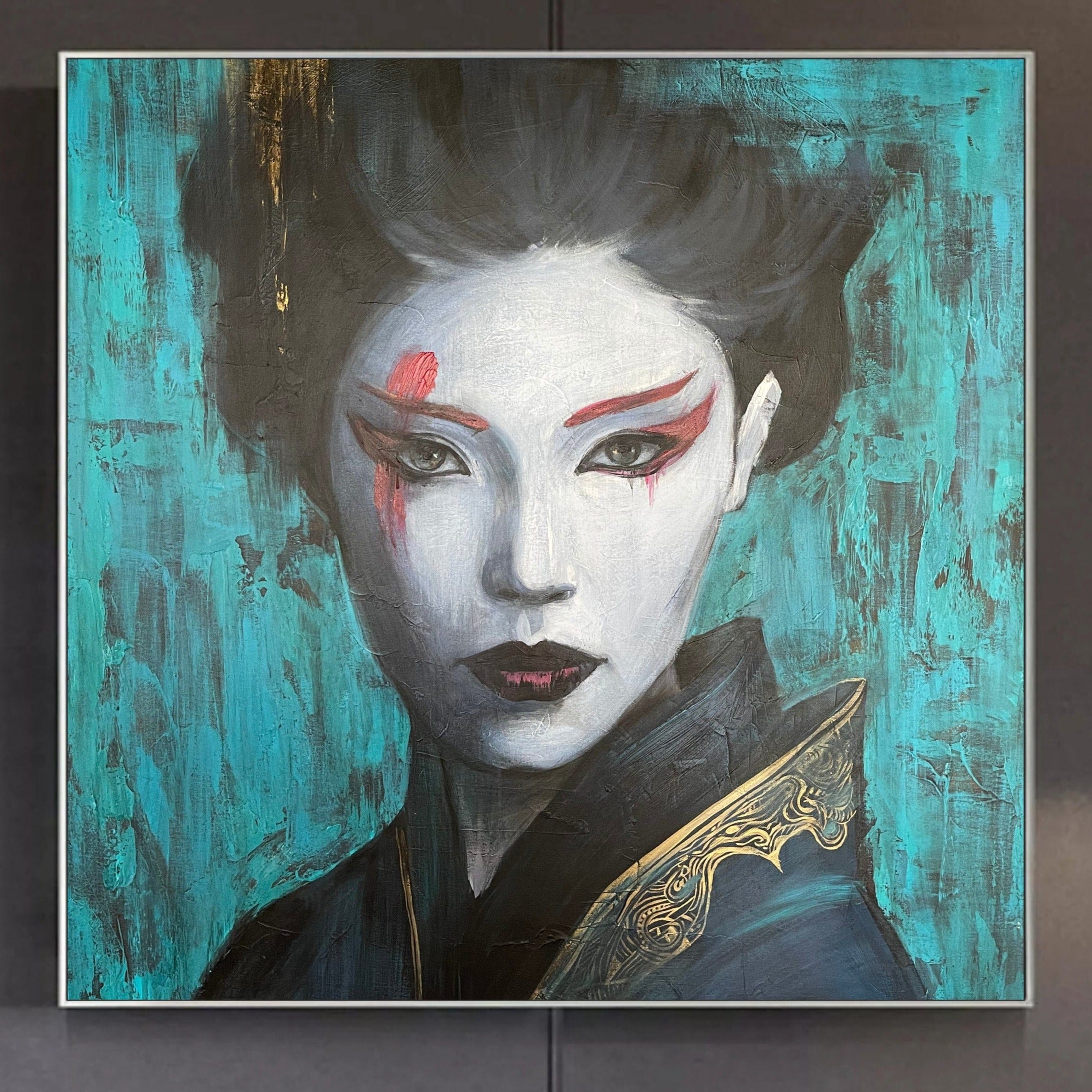
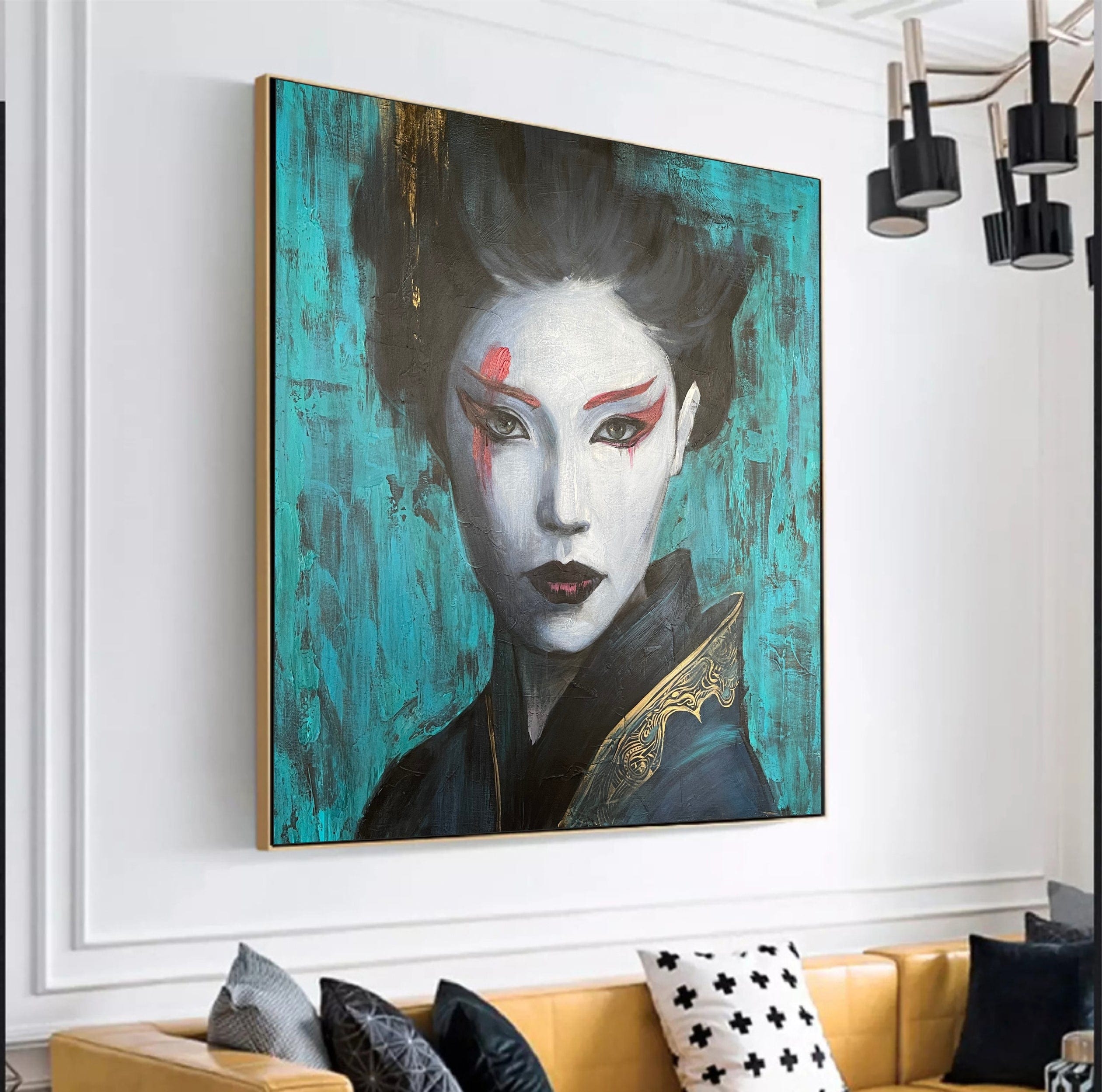
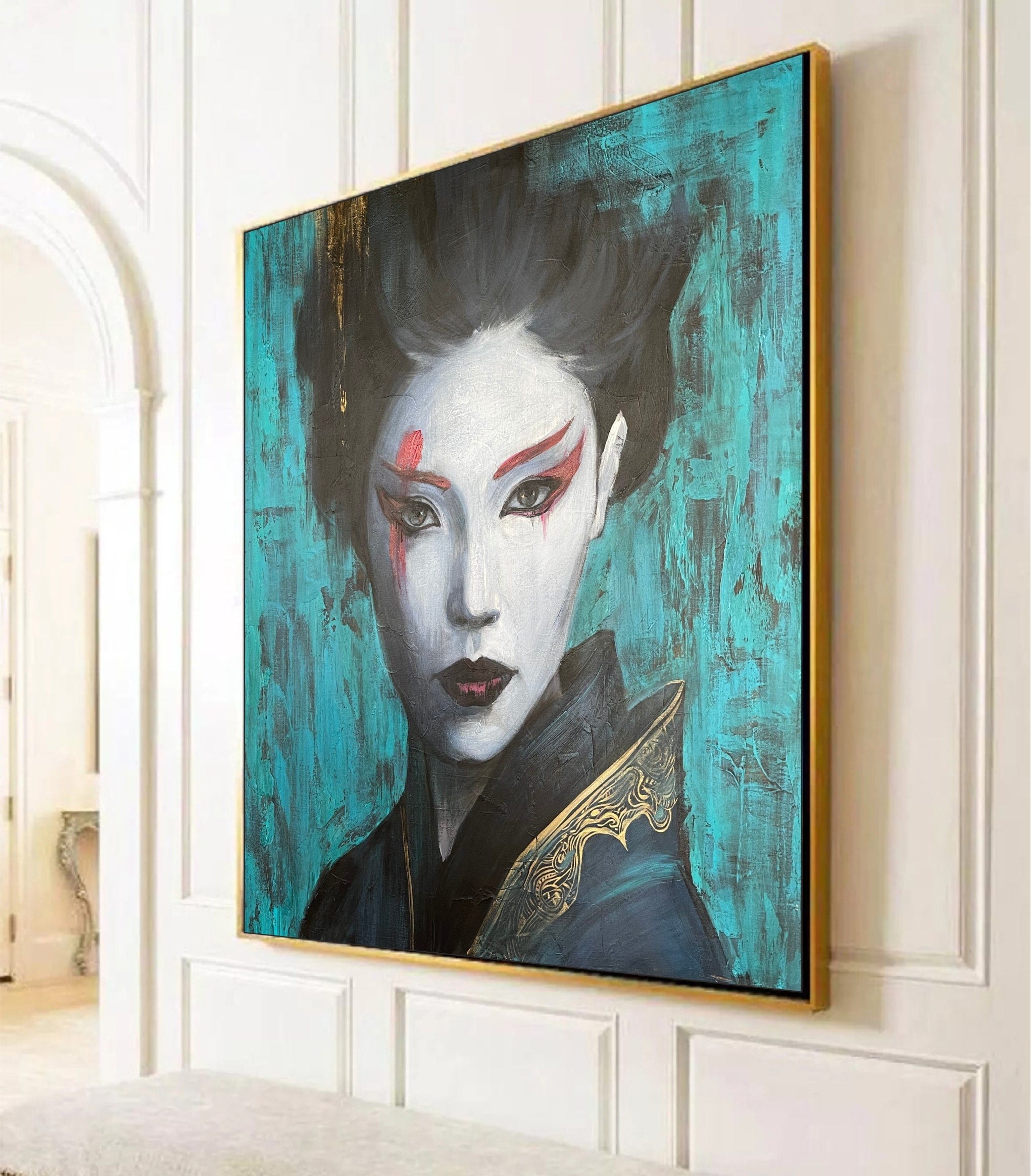
Our classical-inspired pieces—such as “Ear Whisper”, “Parallel World”, or bespoke commissions—echo the grandeur of historic works while adapting them to contemporary design. Just as Velázquez bridged reality and art, we bridge the past and present, creating hand-painted works that feel both timeless and new.
Conclusion: the Unsolvable Riddle
Las Meninas remains a masterpiece not because it provides clear answers, but because it invites endless questions. It is a mirror—literal and metaphorical—reflecting our own interpretations. Whether you see it as a document of court life, a philosophical puzzle, or a celebration of artistic genius, it stands as proof that some mysteries are worth keeping.