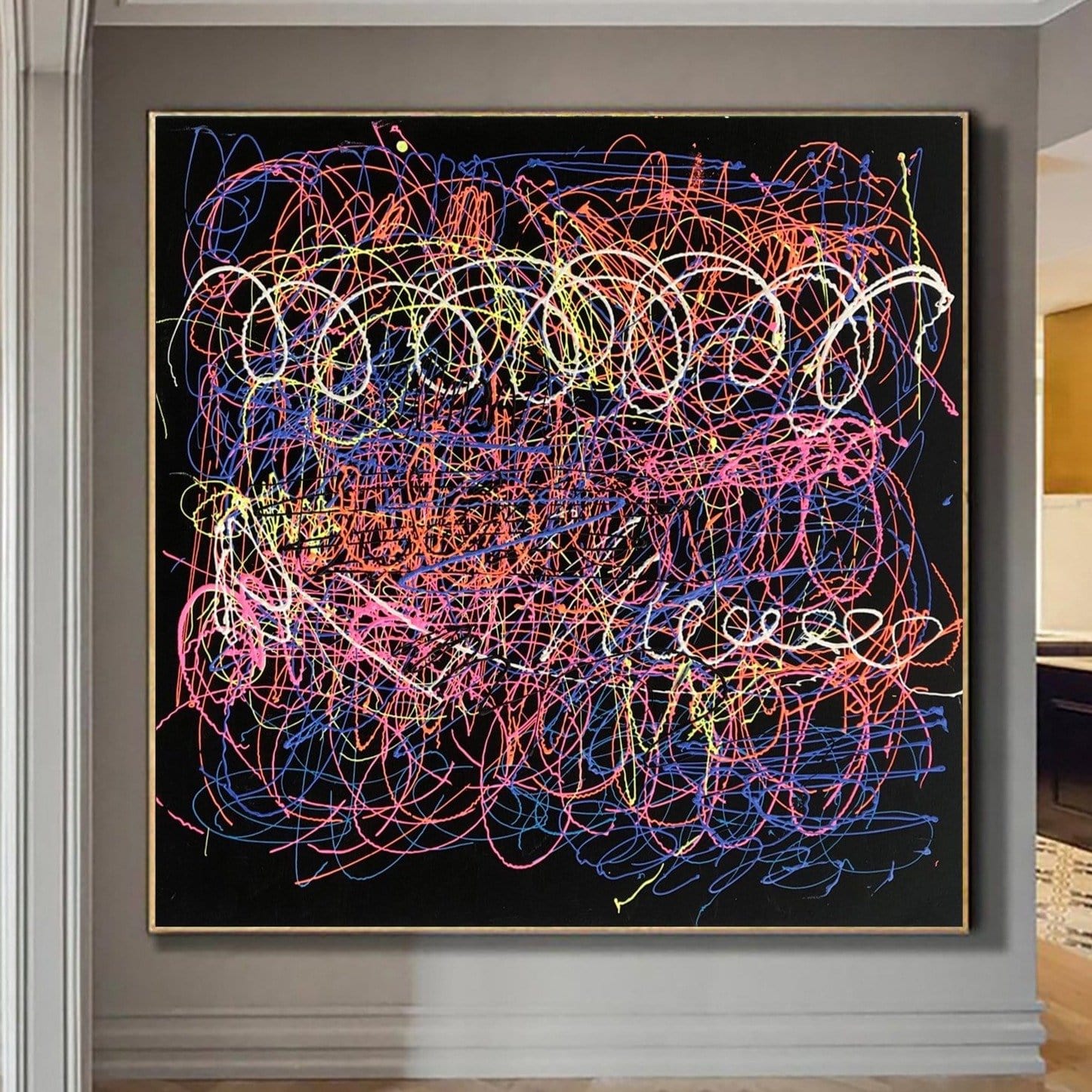
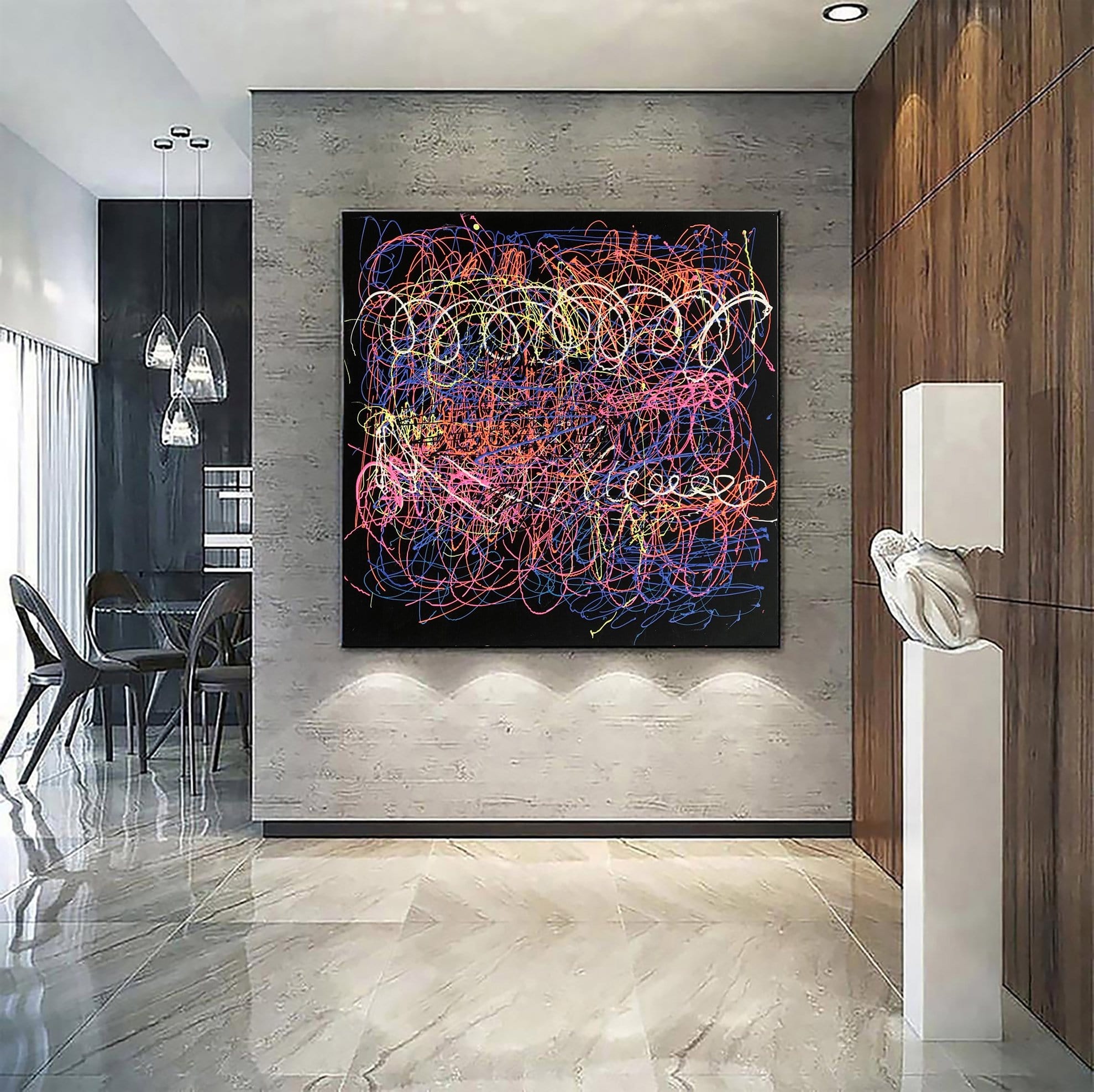
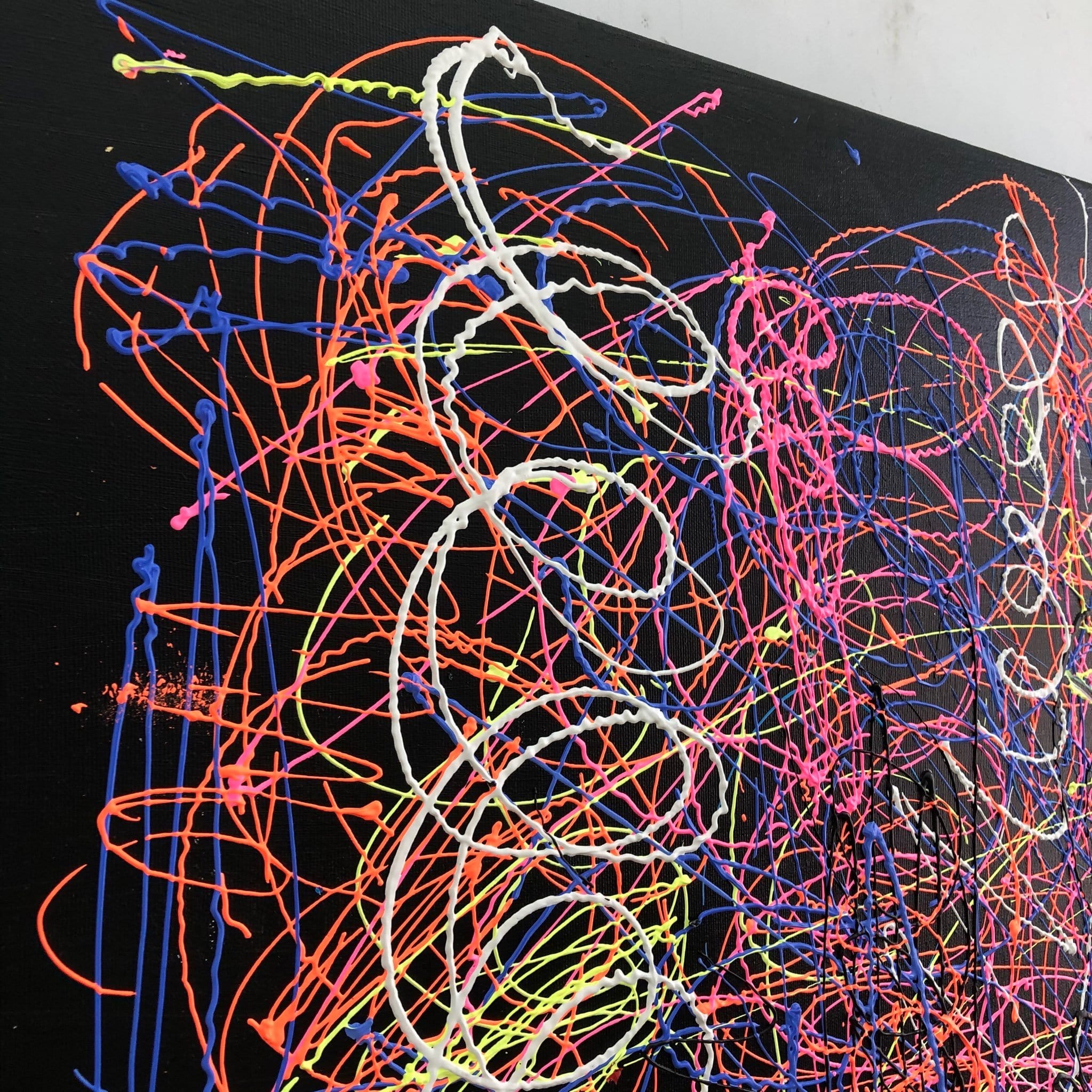
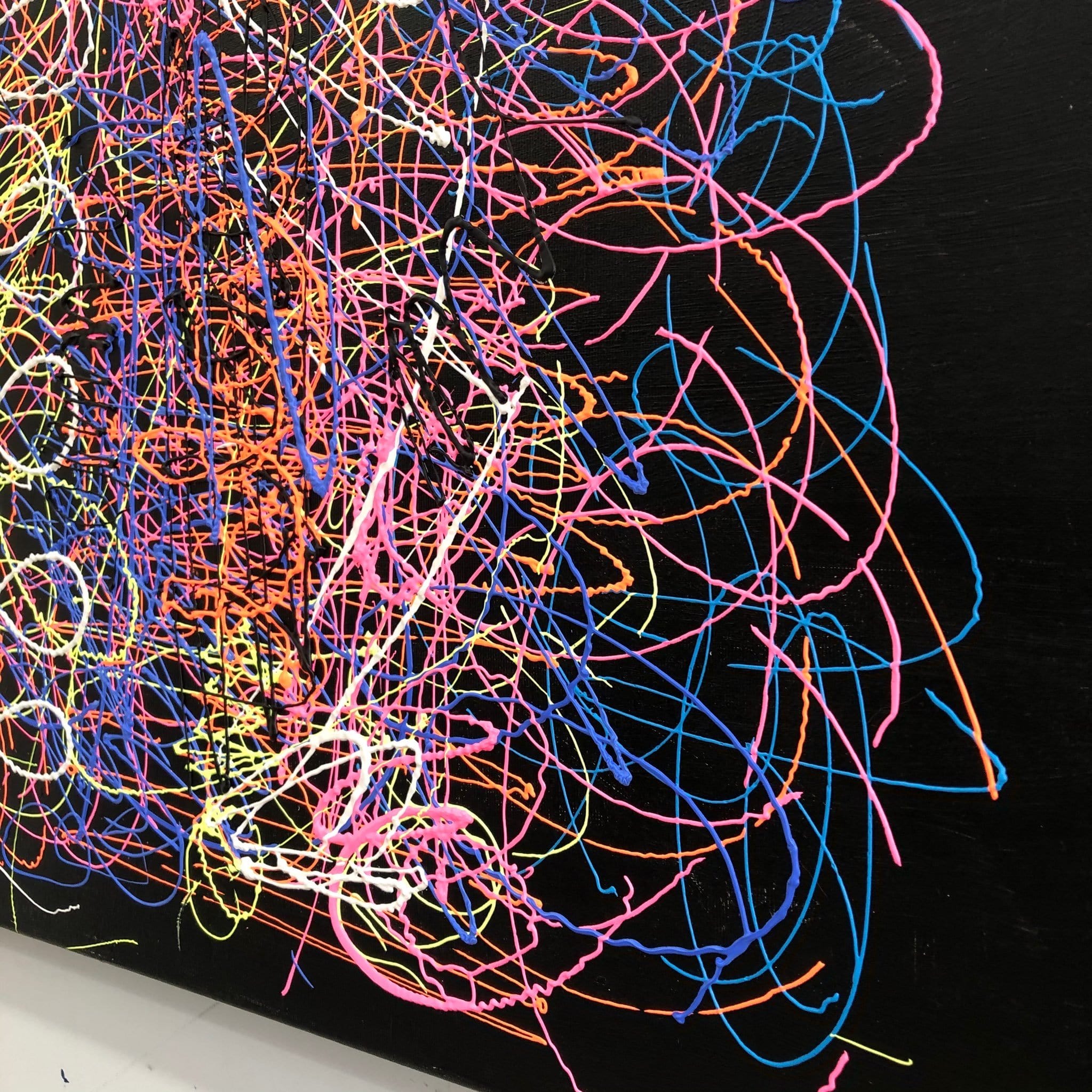
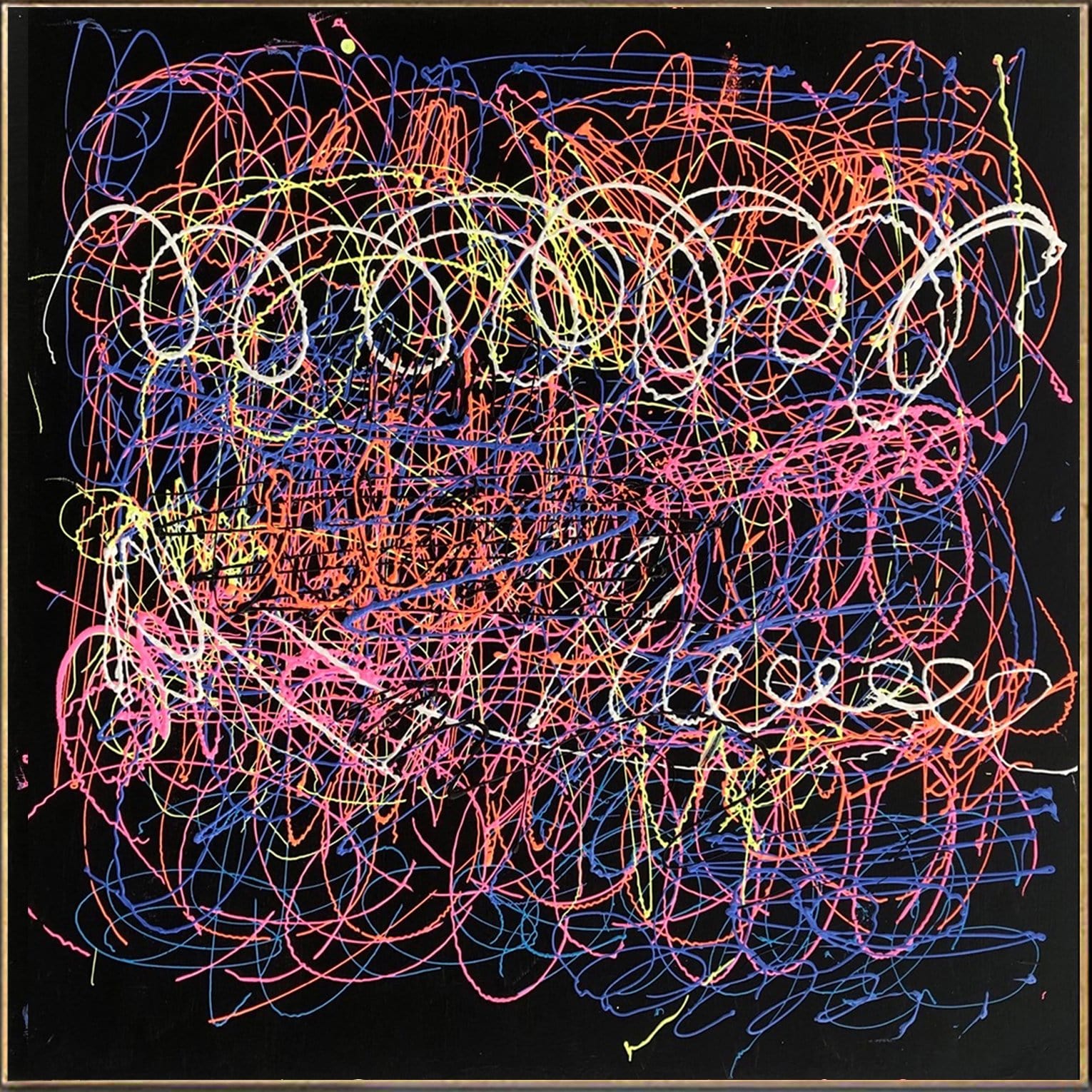
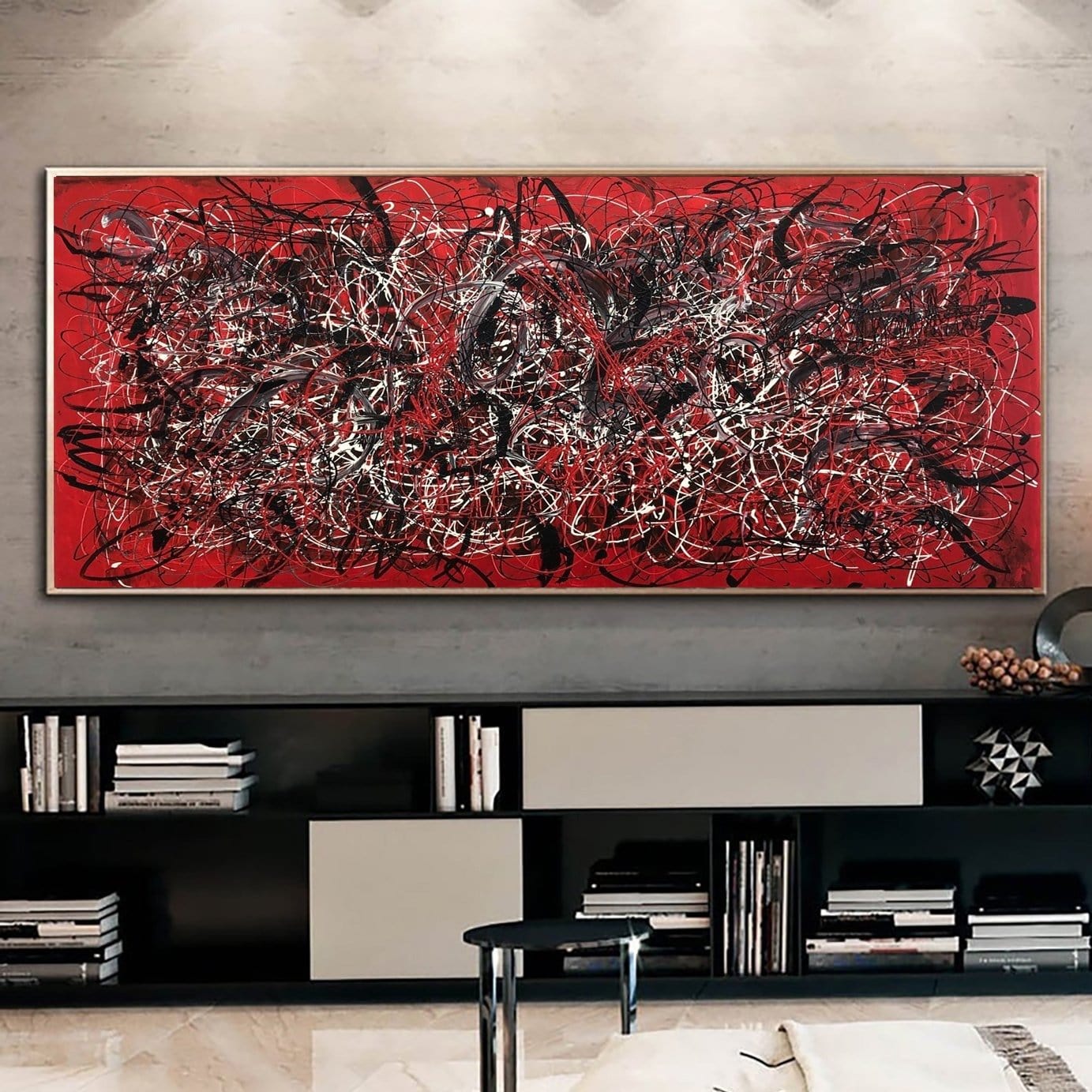
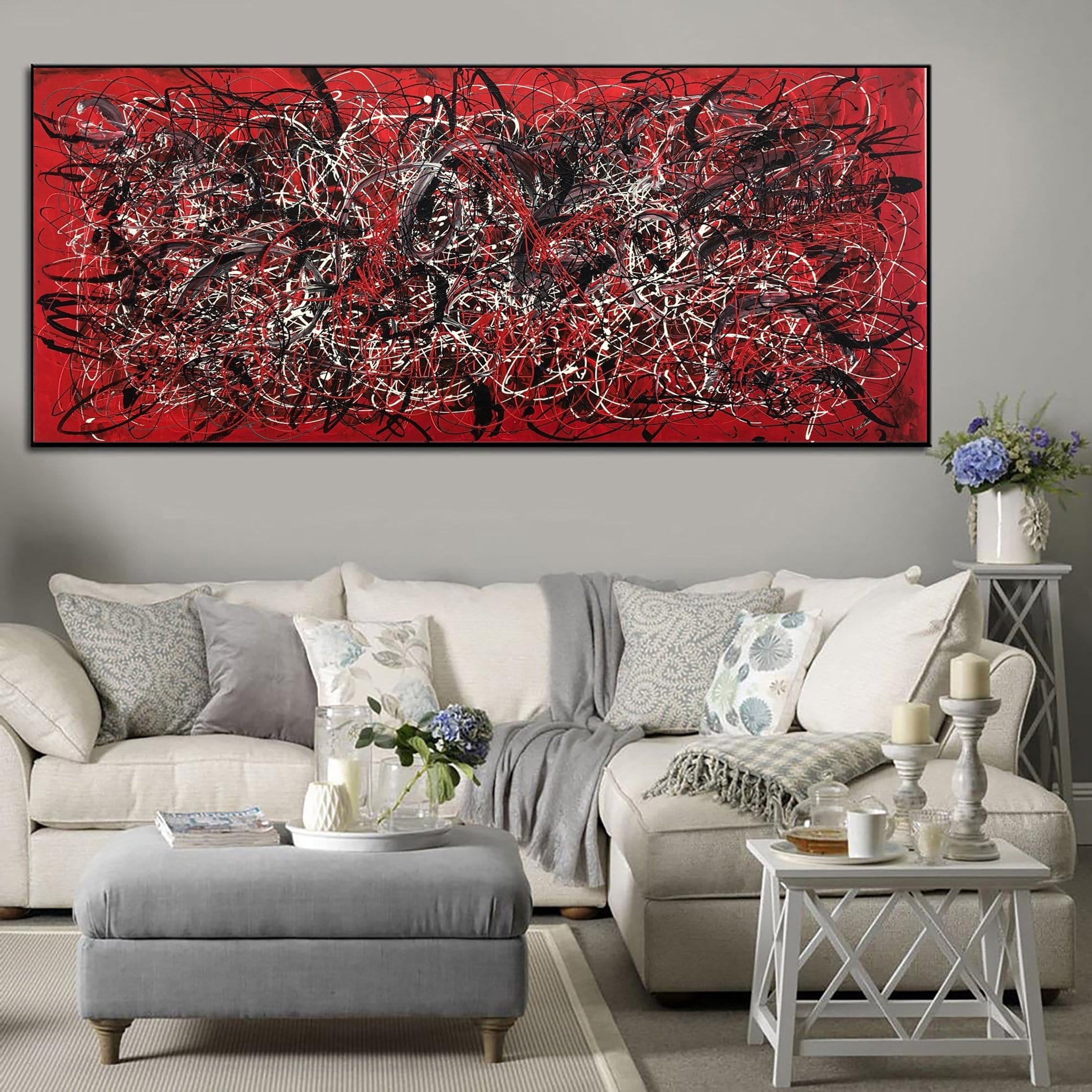
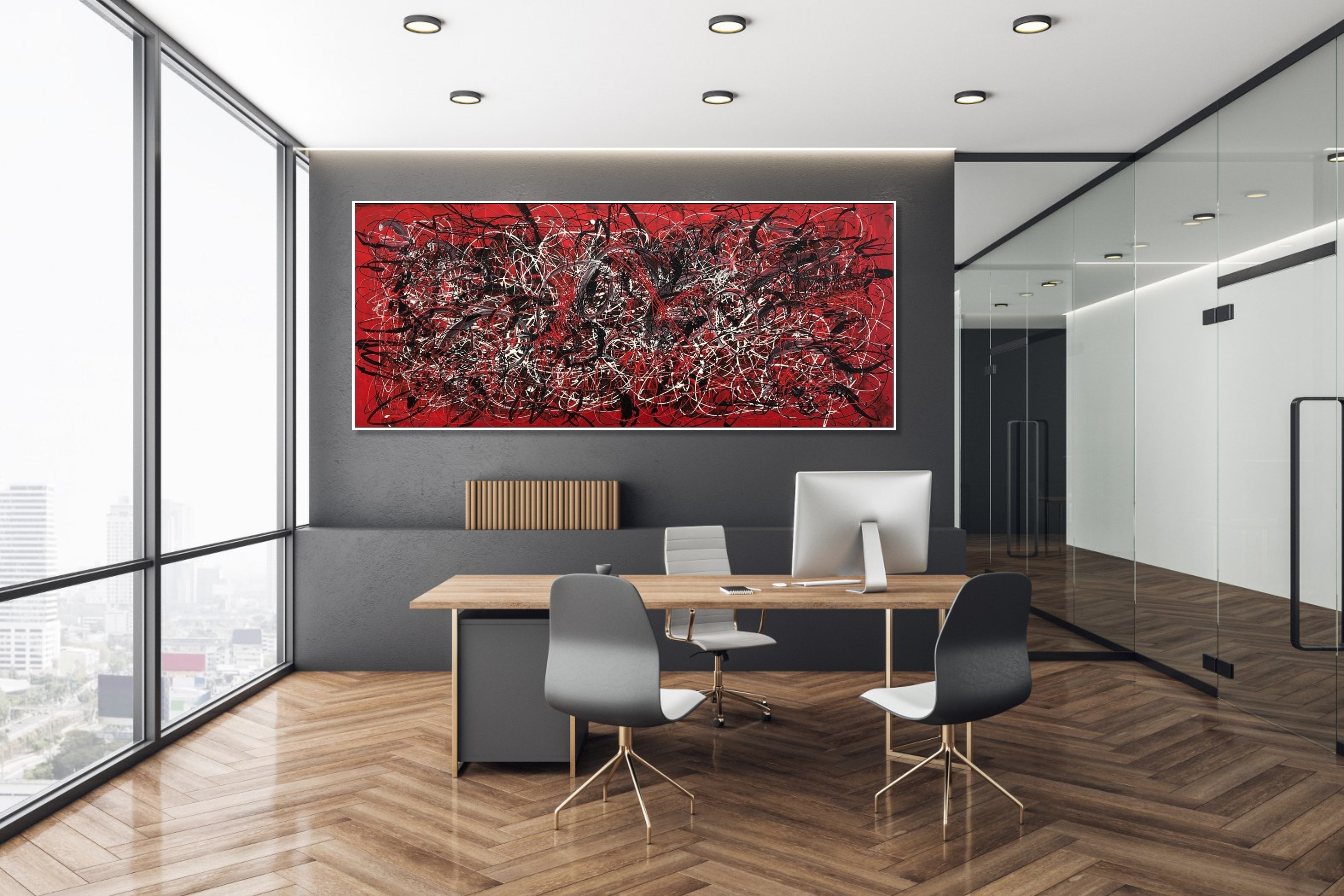
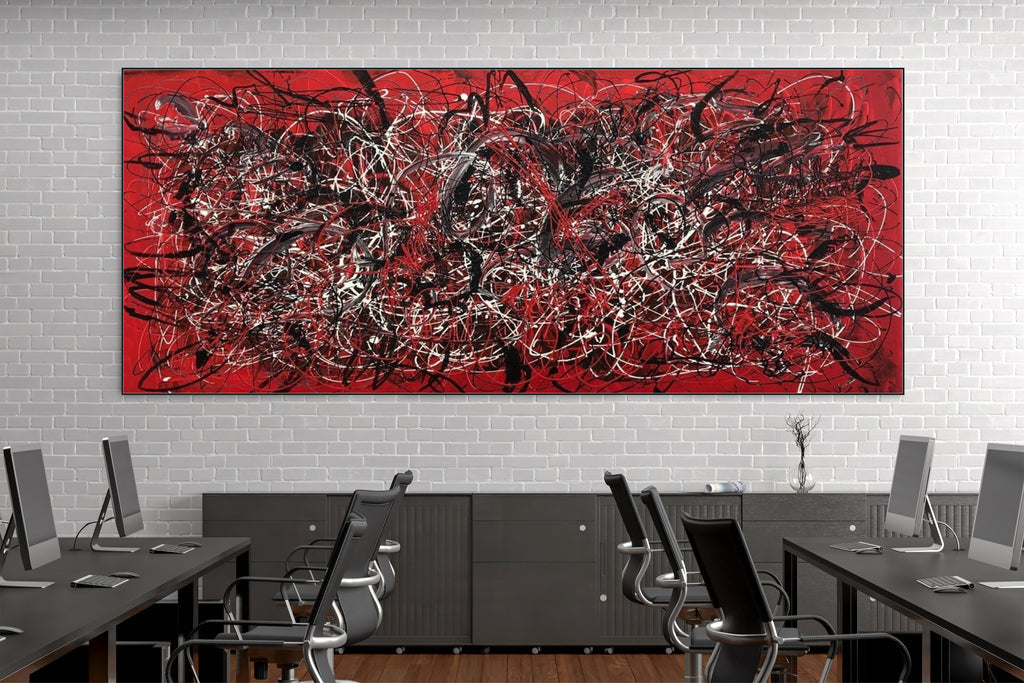
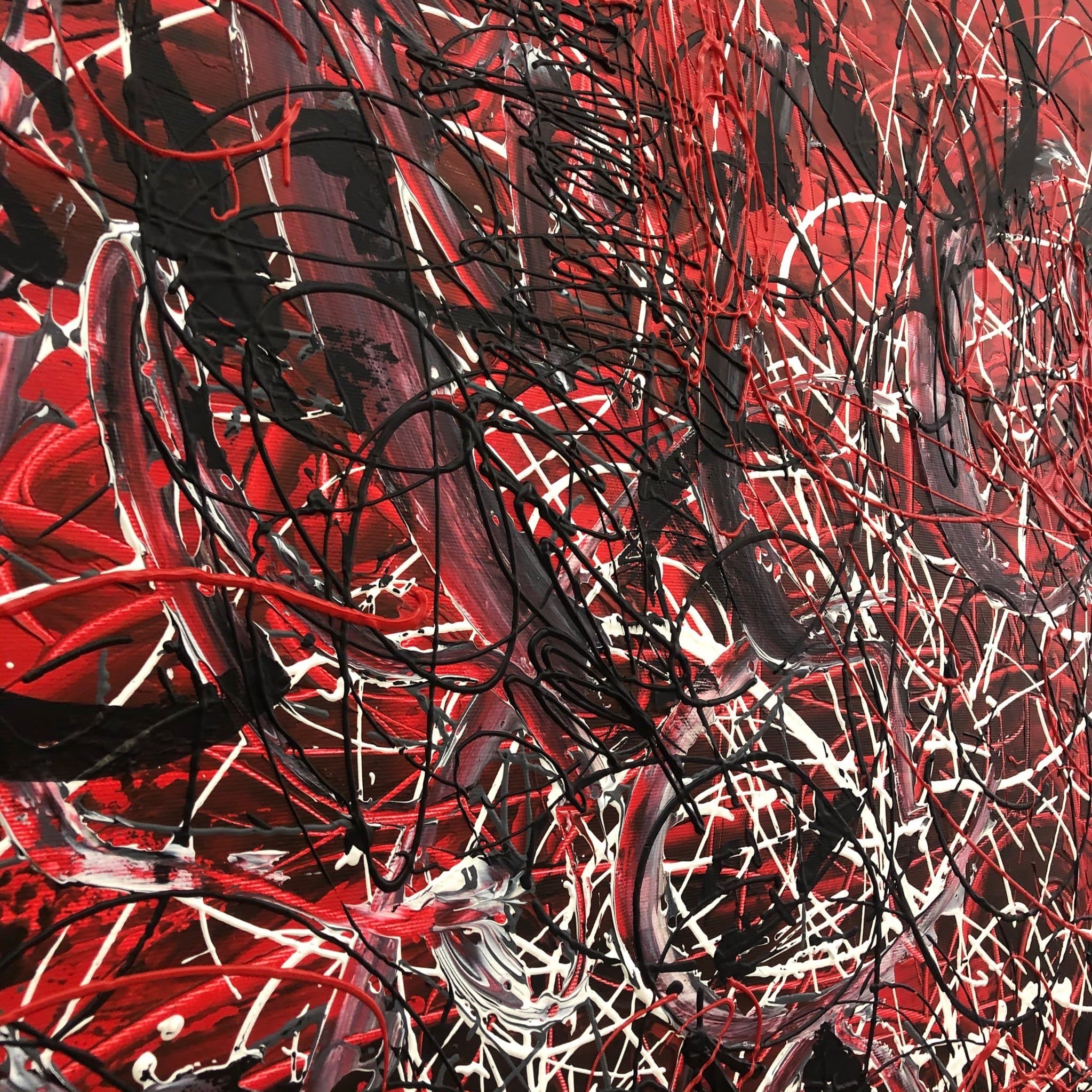
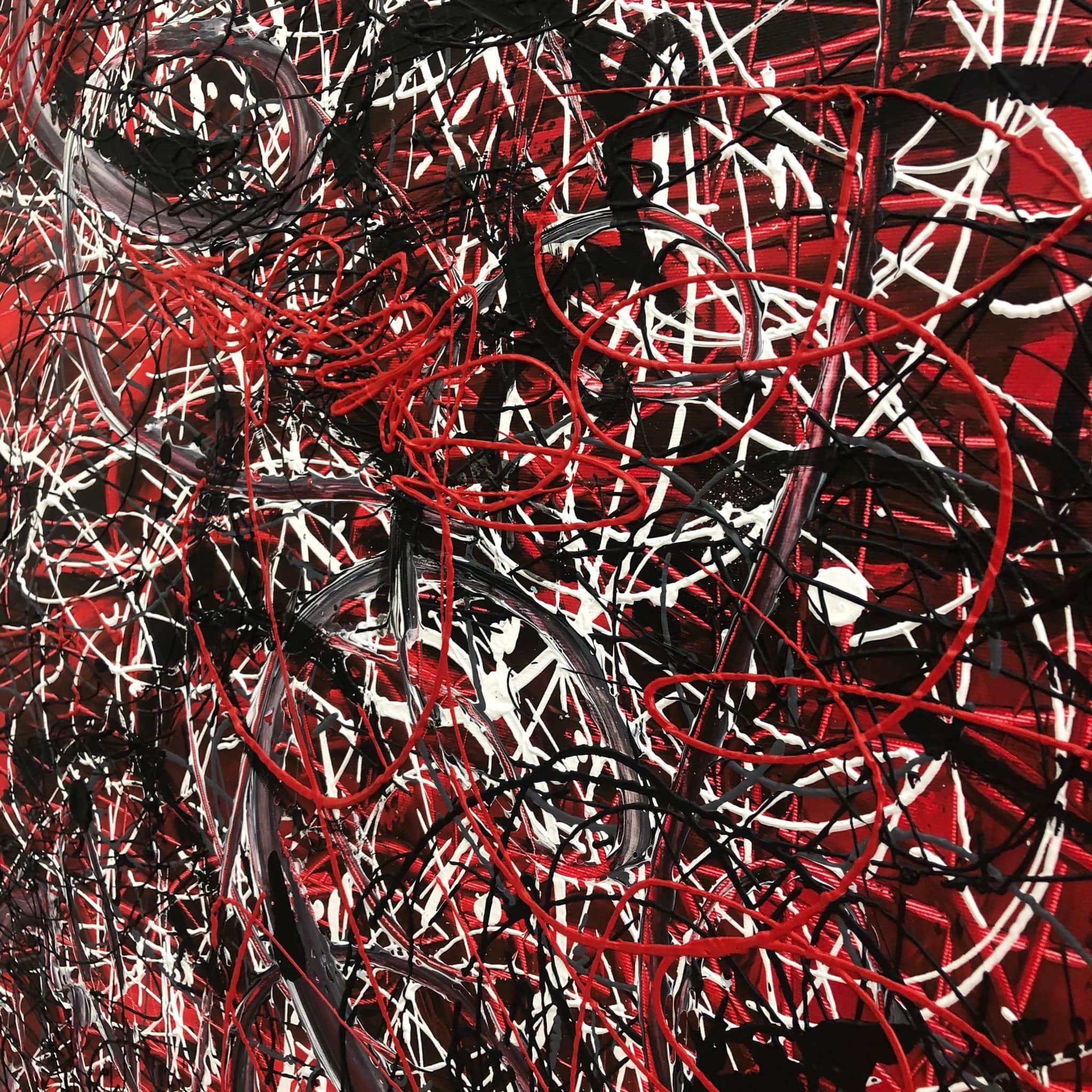
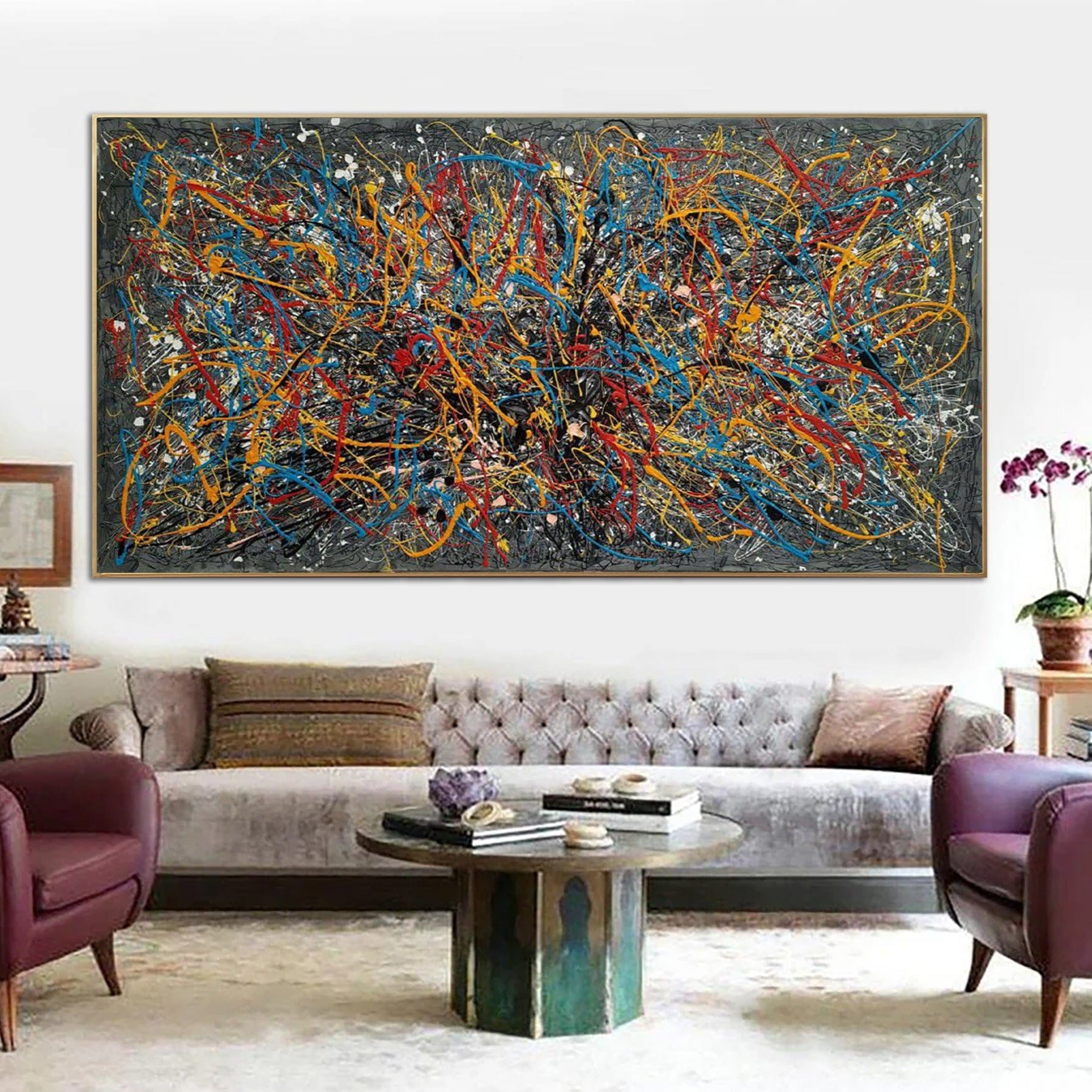
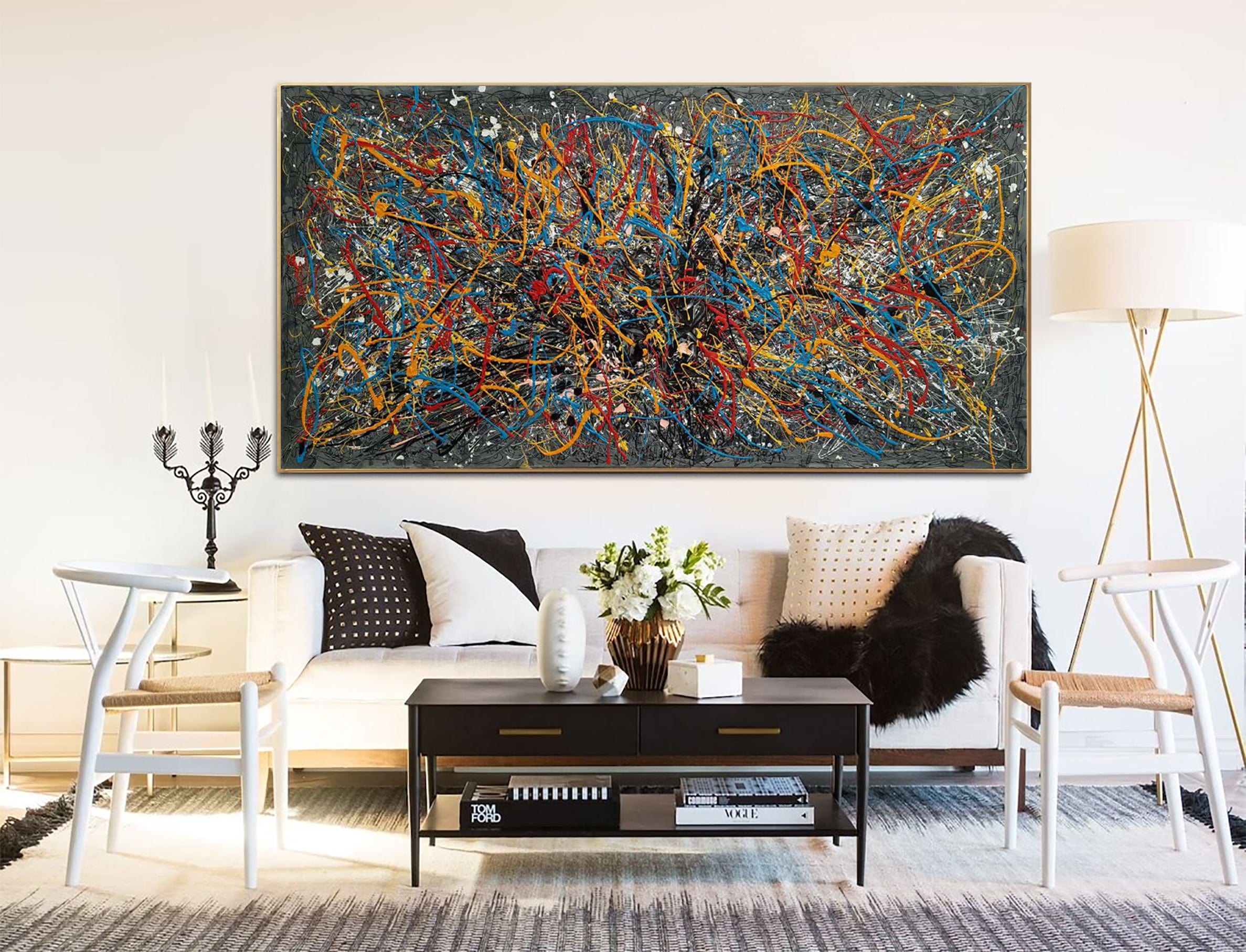
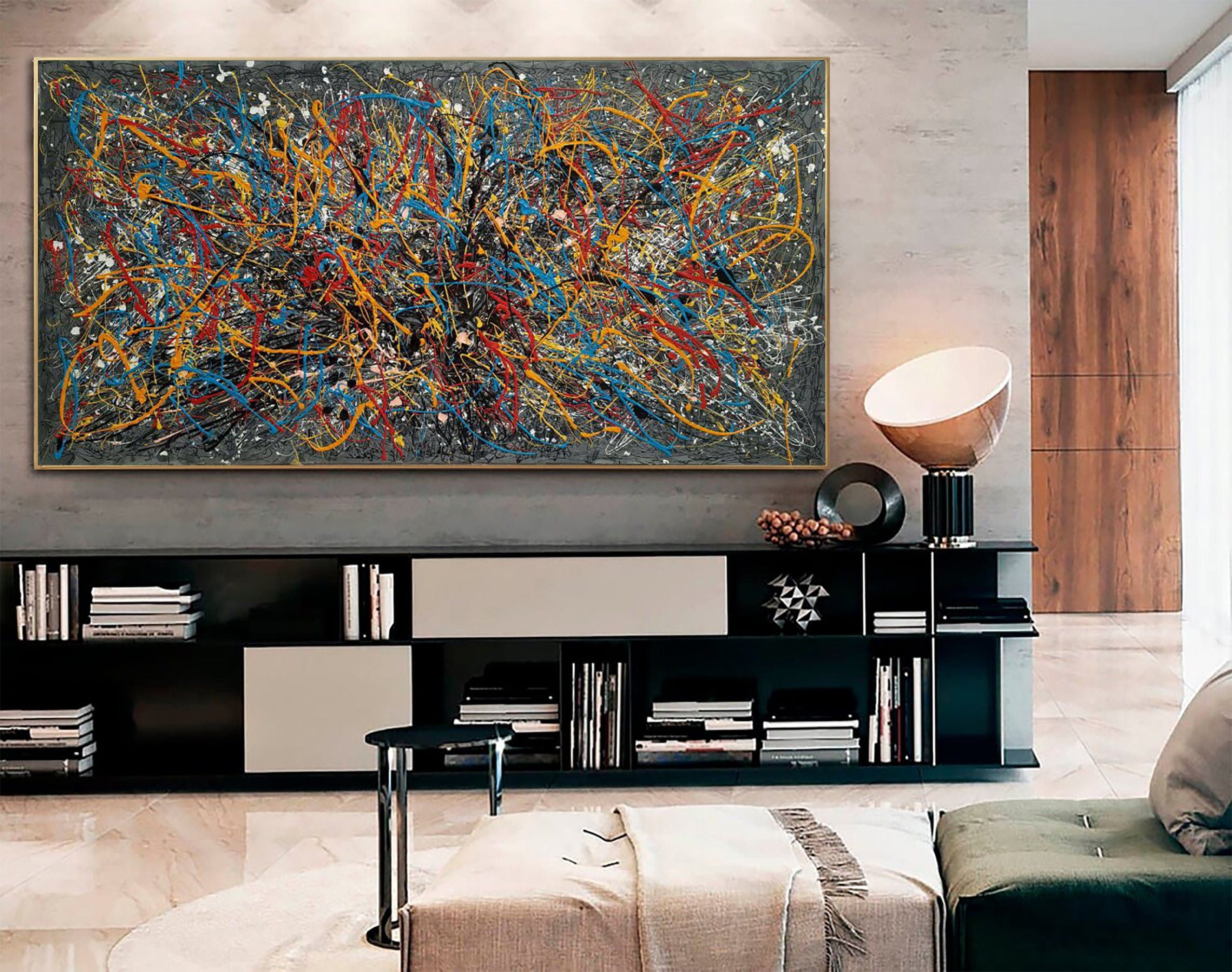
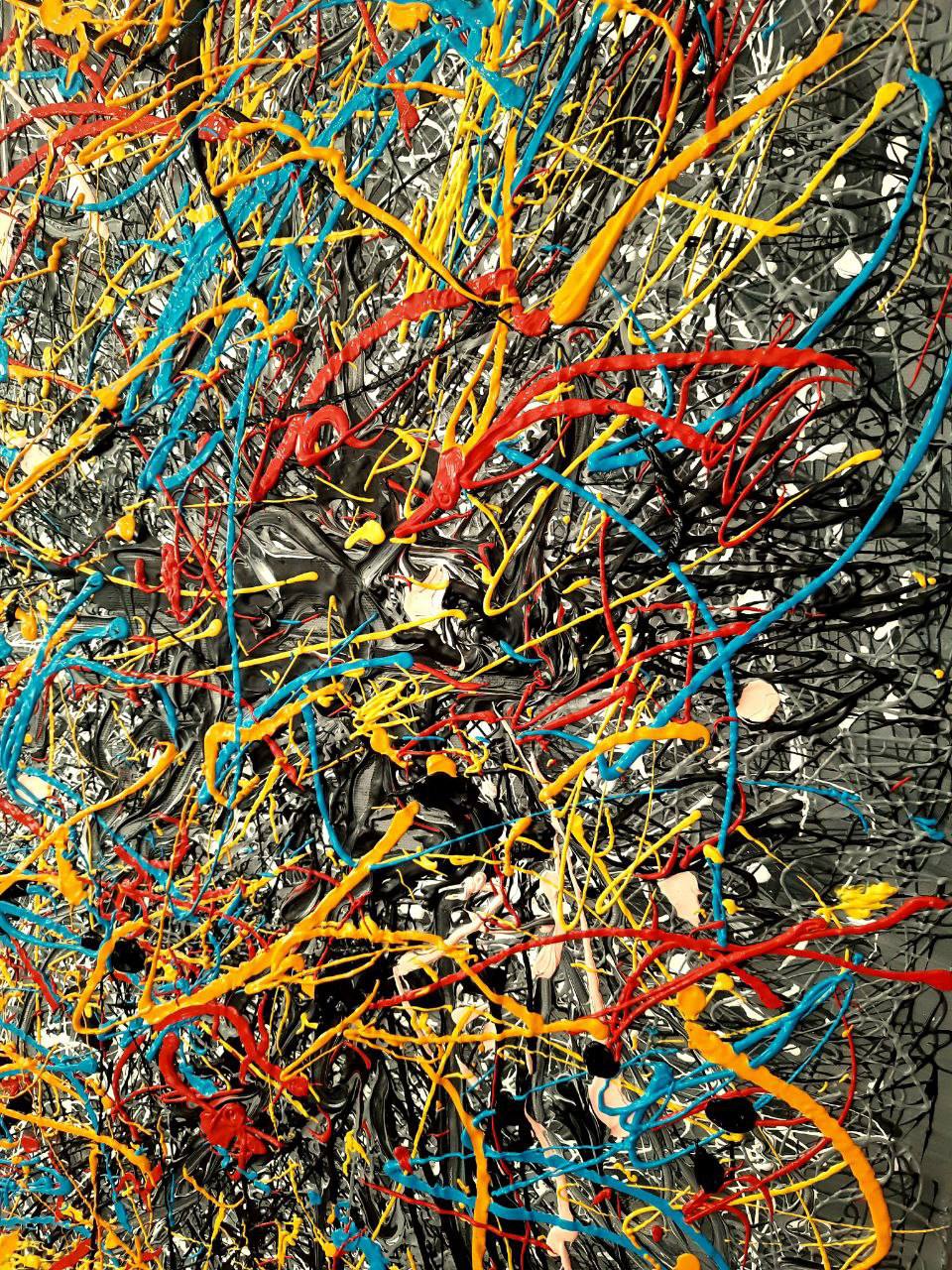
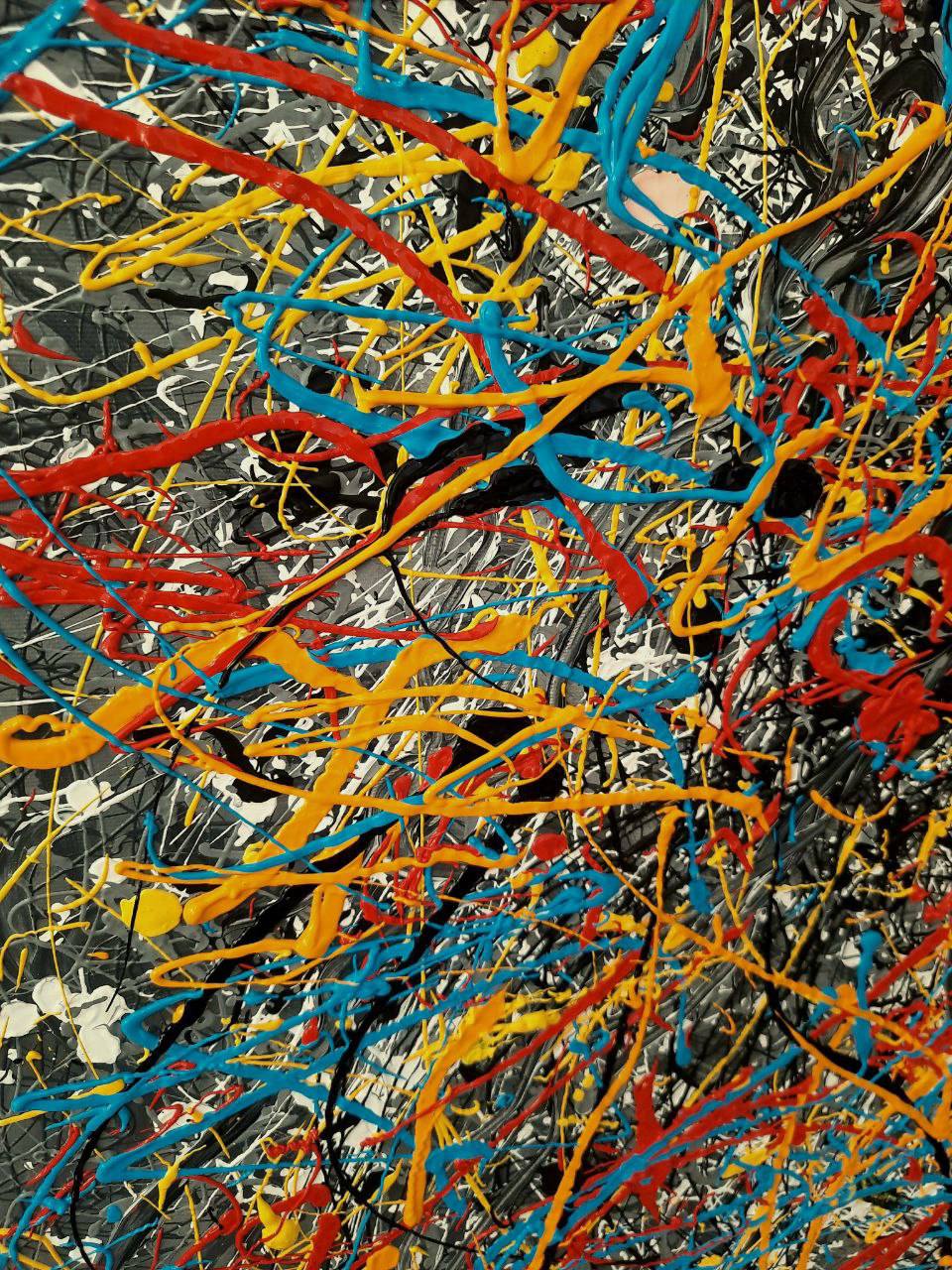
What if the mess of splashed paint might express the essence of unfiltered emotion? The messy painting style values spontaneity, breaking free from traditional norms to emphasize energy and honesty. In a world preoccupied with perfection, this style provides an unfiltered view into the artist's essence. Each stroke, smear, and splash tells a story, making the process as important as the finished product!
Why Is Imperfection the Heart of Messy Art?
Messy art is a concept as much as a method. This style, which has its roots in imperfection, spontaneity, and raw energy, embraces the beauty of creative chaos while rejecting strict restrictions. It's about trusting the process, letting go, and letting the unexpected happen. From the bold brushstrokes of abstract painting to the dynamic lines of sketching and digital creations, the messy art style flourishes in many different forms. Even line art, which is frequently regarded as minimalist, may embrace disorder by using layered or erratic strokes that have emotional significance.
Since this method works across media, any artist can use it. Freedom of expression is promoted by messy art, whether it takes the form of splattering paint on a canvas, experimenting with digital brushes, or writing down unfiltered feelings. The emphasis is shifted from achieving perfection to encapsulating the present, providing a freeing and intensely intimate experience. By accepting the unpredictability, messy art questions conventional ideas of beauty and encourages spectators to recognize the beauty in chaos.
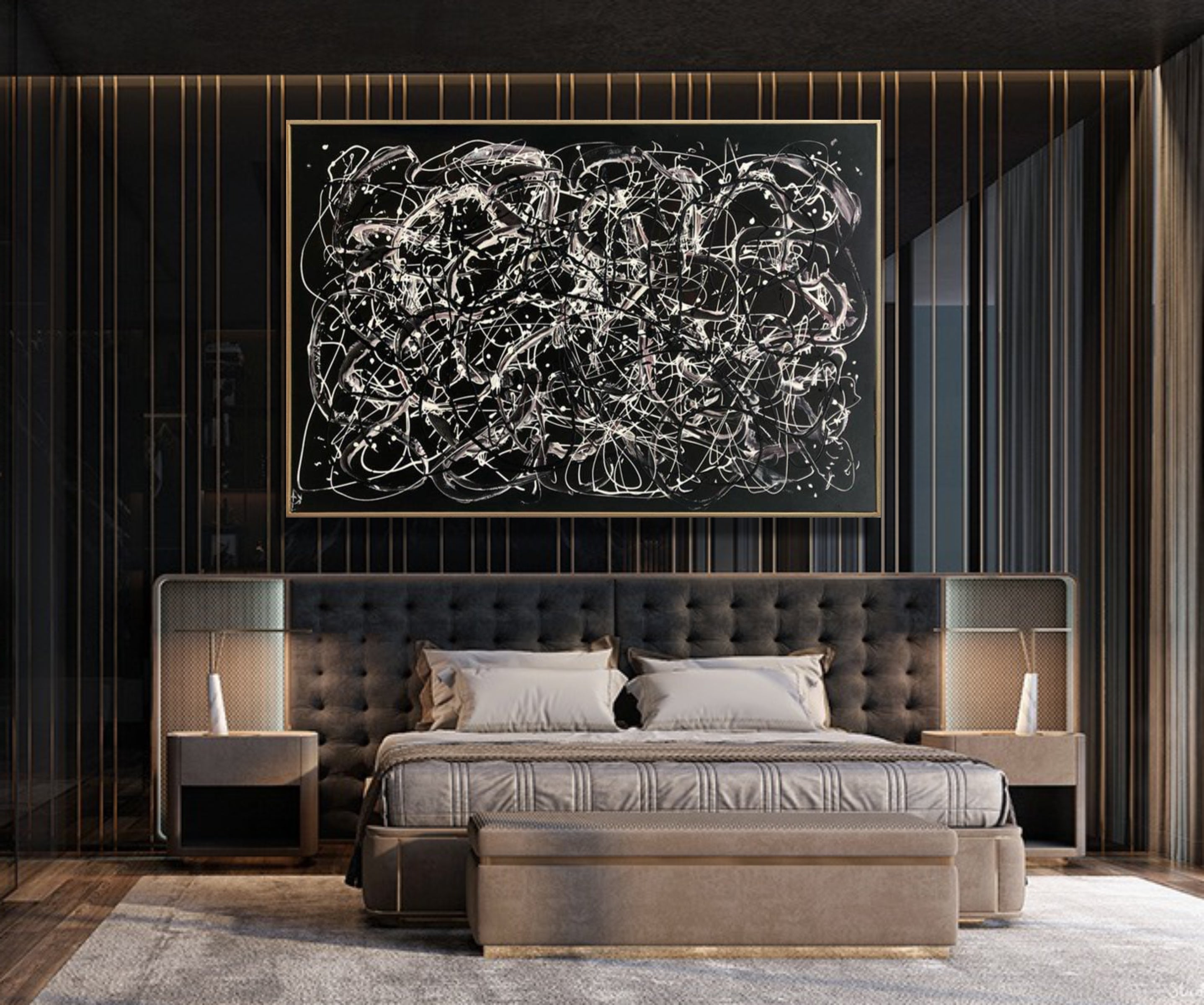
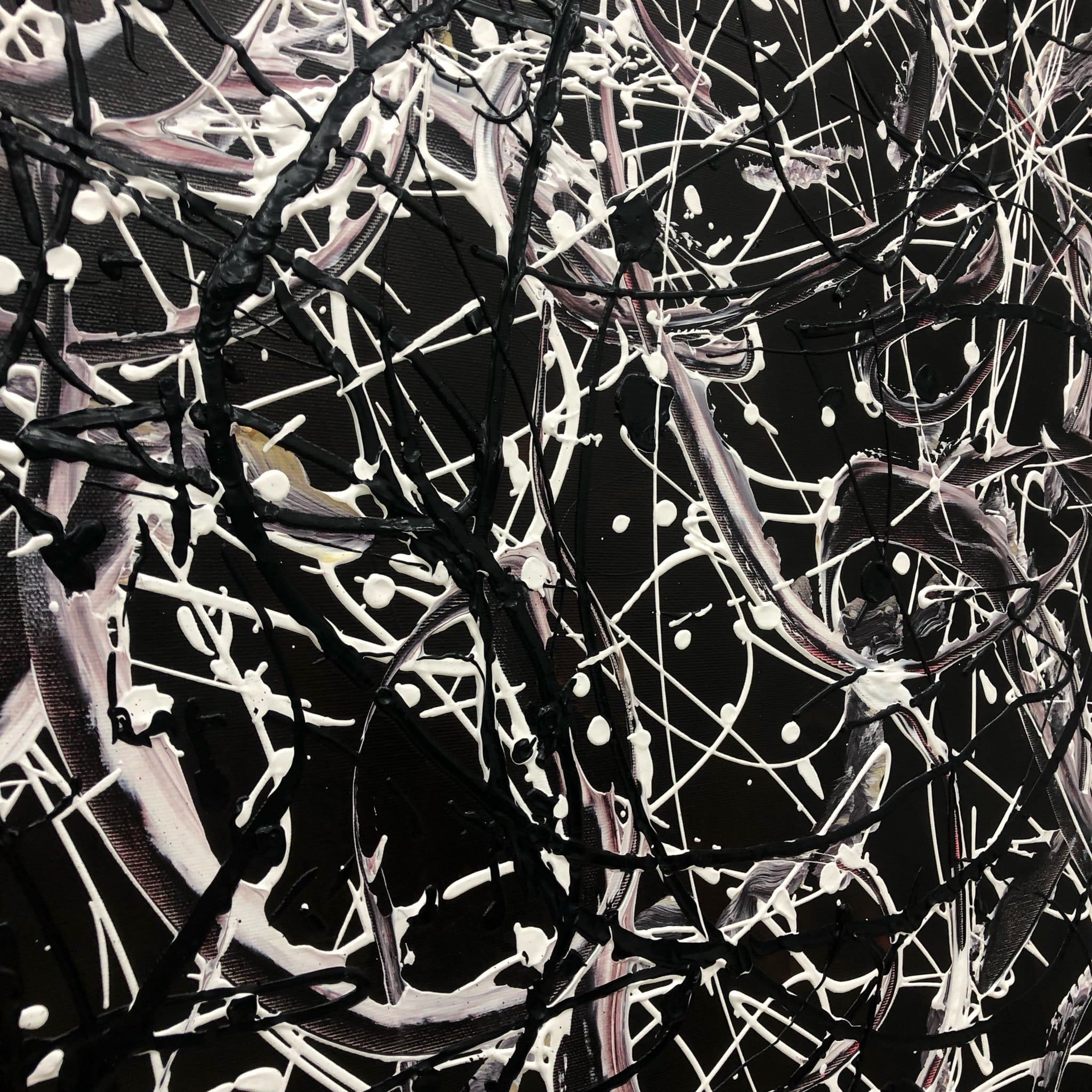
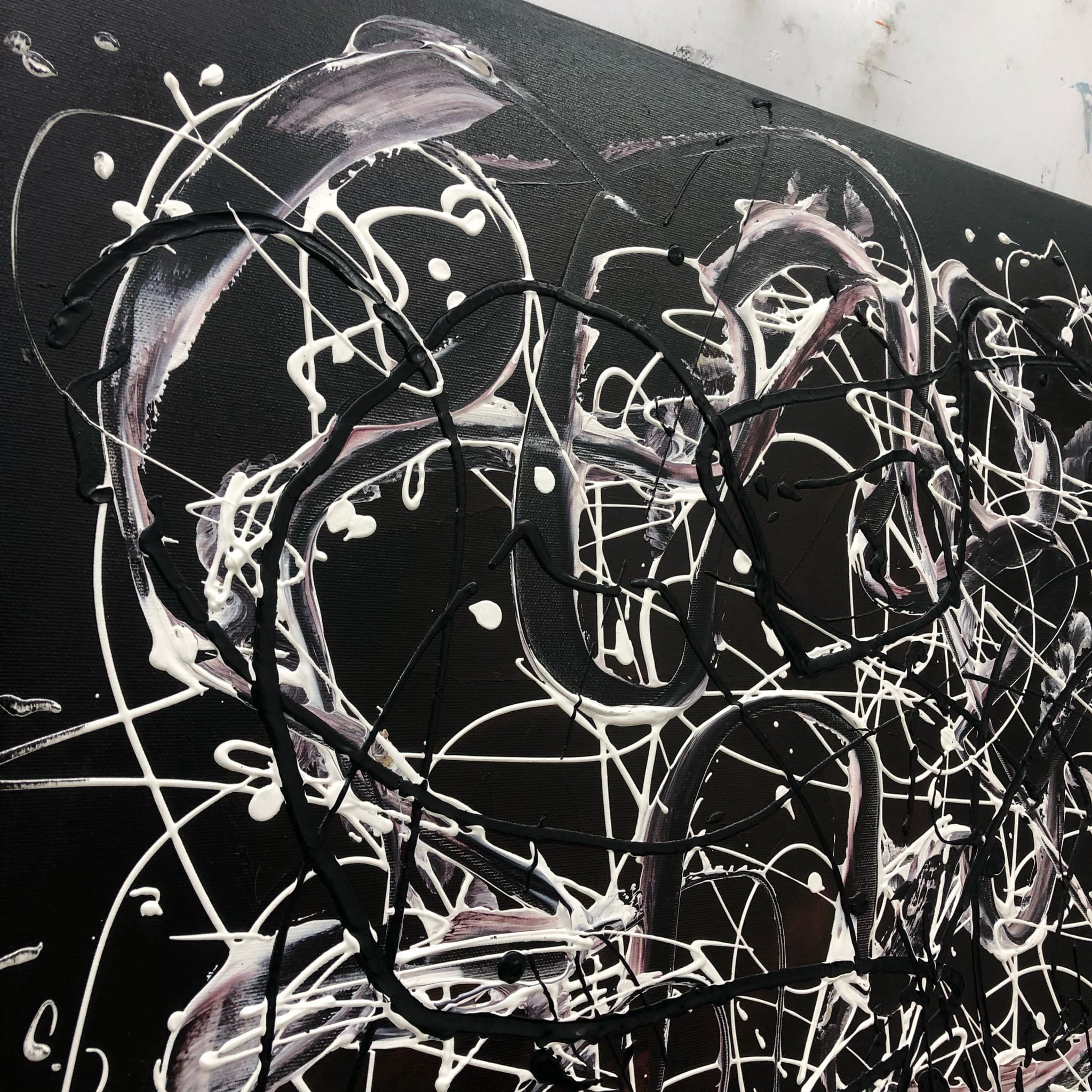
Famous Messy Painters and Their Influence
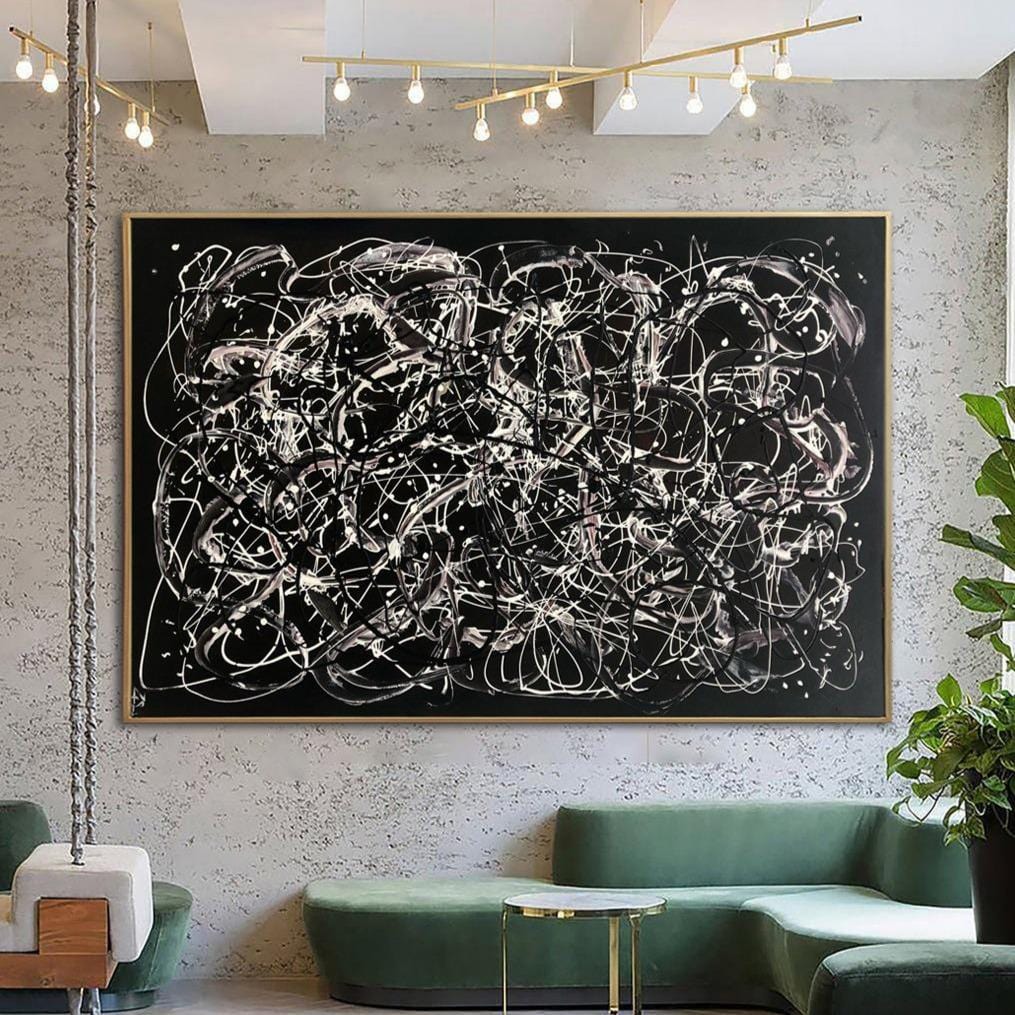
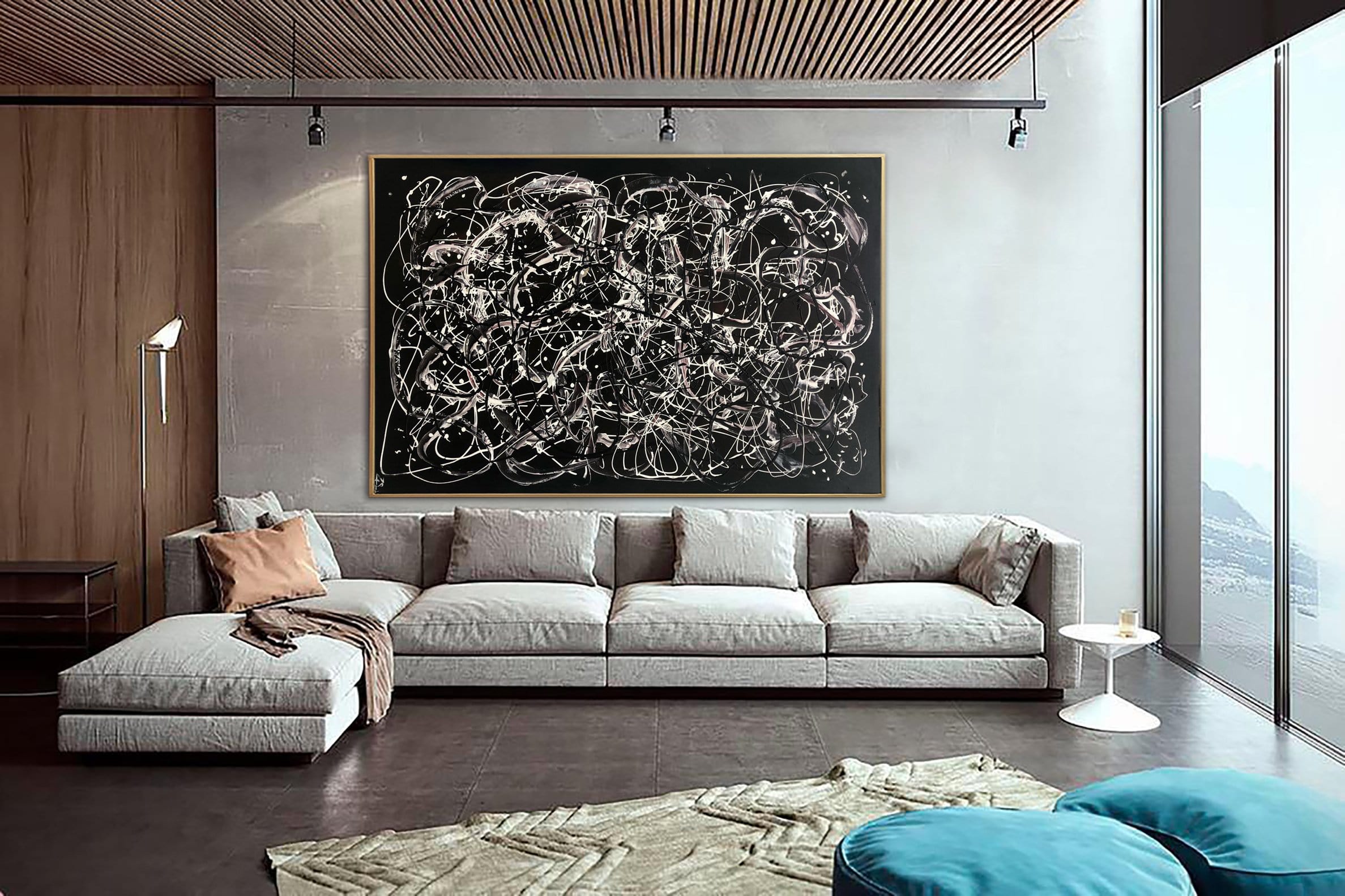
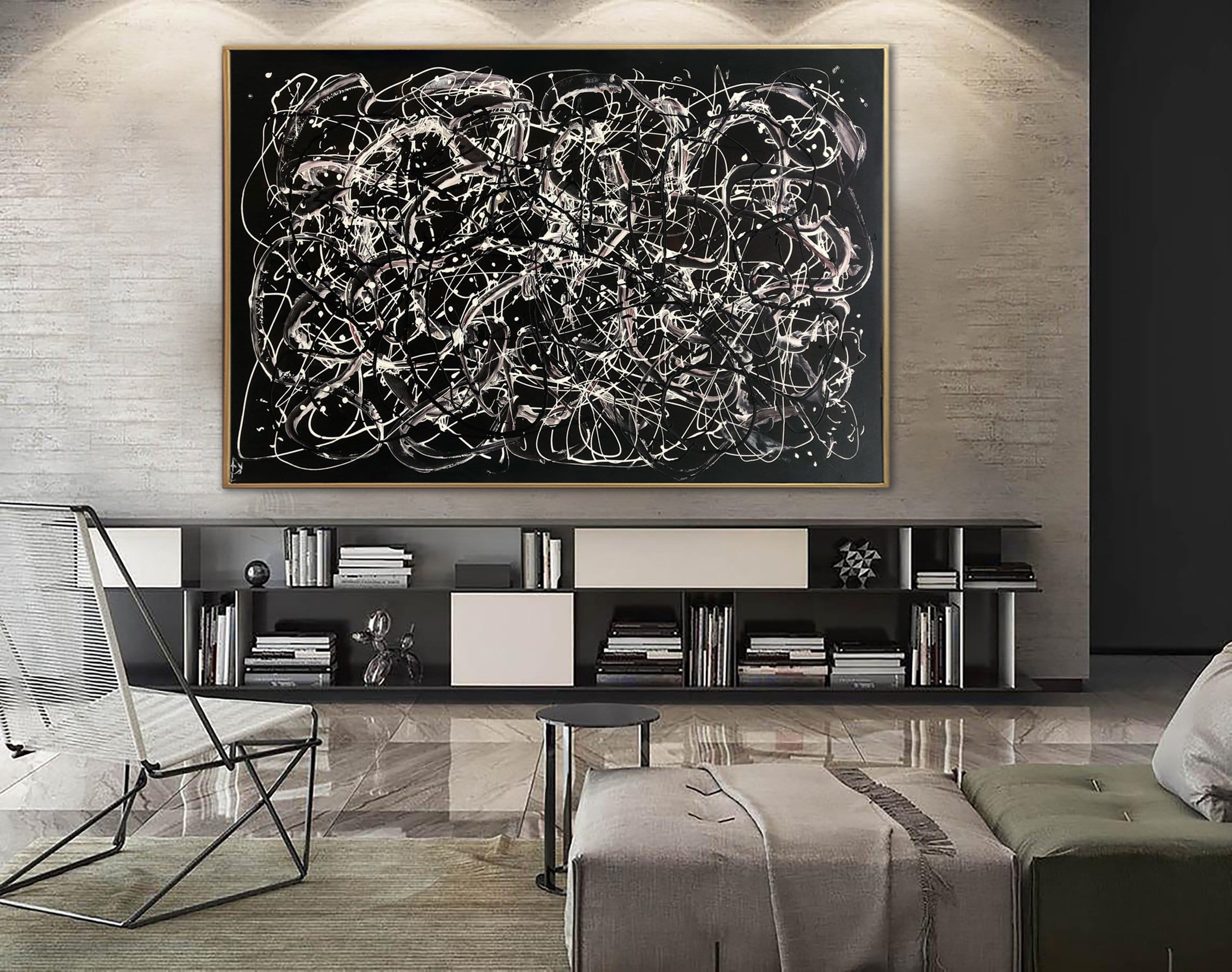
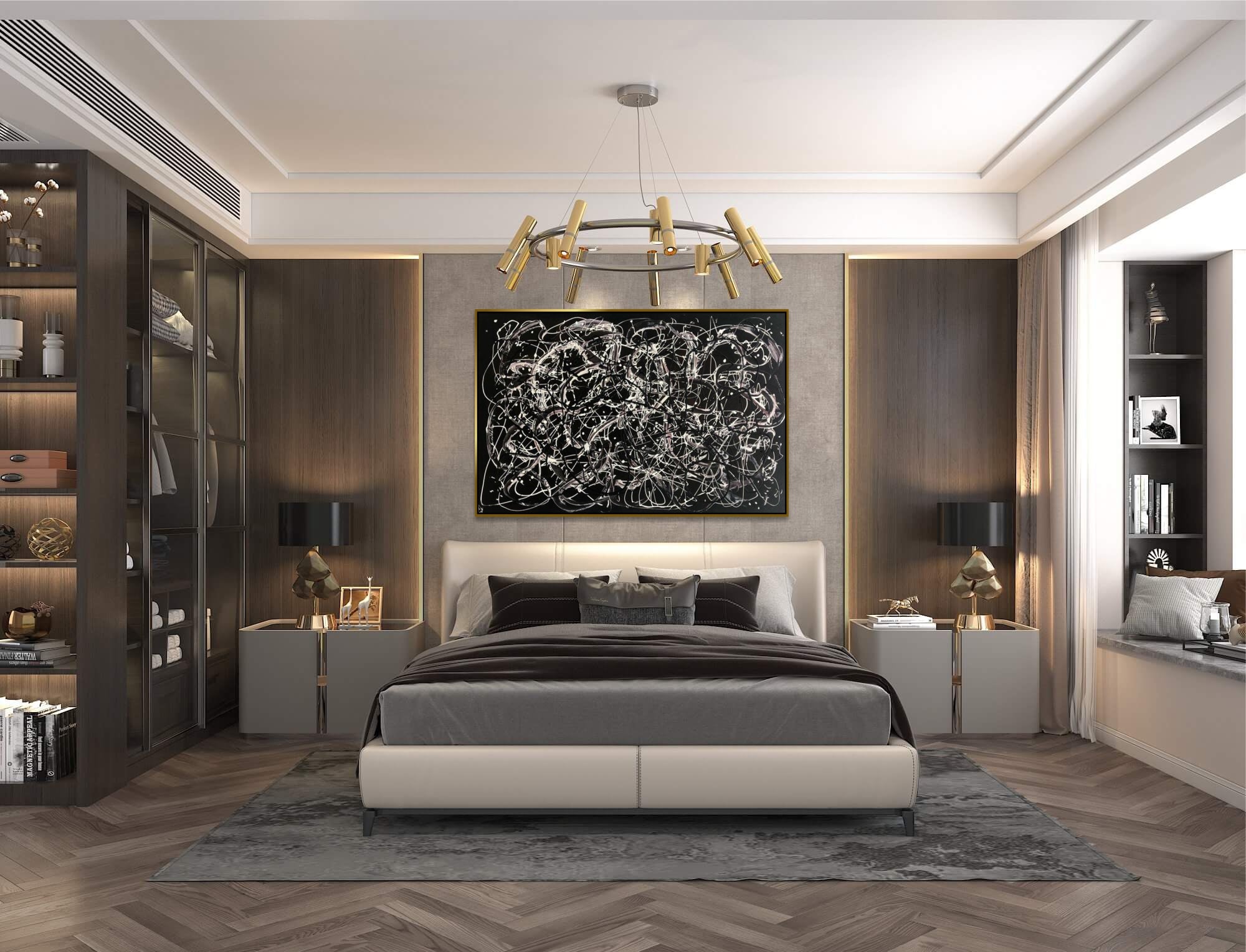
Jackson Pollock stands out above the rest when it comes to famous messy artists. With each canvas, Pollock, who is renowned for his groundbreaking drip technique, captured energy, movement, and unfiltered emotion, transforming chaos into a visual language. Numerous artists have been inspired by his pieces, such as No. 5, 1948, which demonstrate the strength of unpredictability and encourage acceptance of imperfection as a fundamental component of creation. Splattered paint was only one aspect of Pollock's haphazard art technique. It also represented a liberation from convention and a willingness to let emotion guide form.
Beyond Pollock, artists such as Cy Twombly extended the idea of messy art by incorporating calligraphic movements, scribbles, and scratches into abstract compositions that have a profoundly intimate quality. Similar to this, Jean-Michel Basquiat layered phrases, symbols, and colors in his artwork in a manner reminiscent of graffiti, producing a visual jumble that makes it difficult for spectators to decipher. These well-known messy artists demonstrated that even seemingly unorganized work may have deep meaning and purpose.
Messy art has developed beyond conventional media in the modern day. Because digital tools can replicate the spontaneity of paint splatters and chaotic strokes, the digital messy art style has gained popularity. This method has even permeated the messy line art style anime, where characters and scenes are shown with jagged, layered lines to evoke intensity and raw emotion. These contemporary renditions demonstrate messy art's versatility across media and genres, demonstrating its timeless appeal.
Messy art transcends decades and mediums because it appeals to something deep within all of us: the beauty of imperfection and the force of uninhibited expression. Whether it's Pollock's actual splatters, Basquiat's layered symbols, or a dynamic anime drawing, messy art celebrates the imperfect, urging us to accept the unexpected!