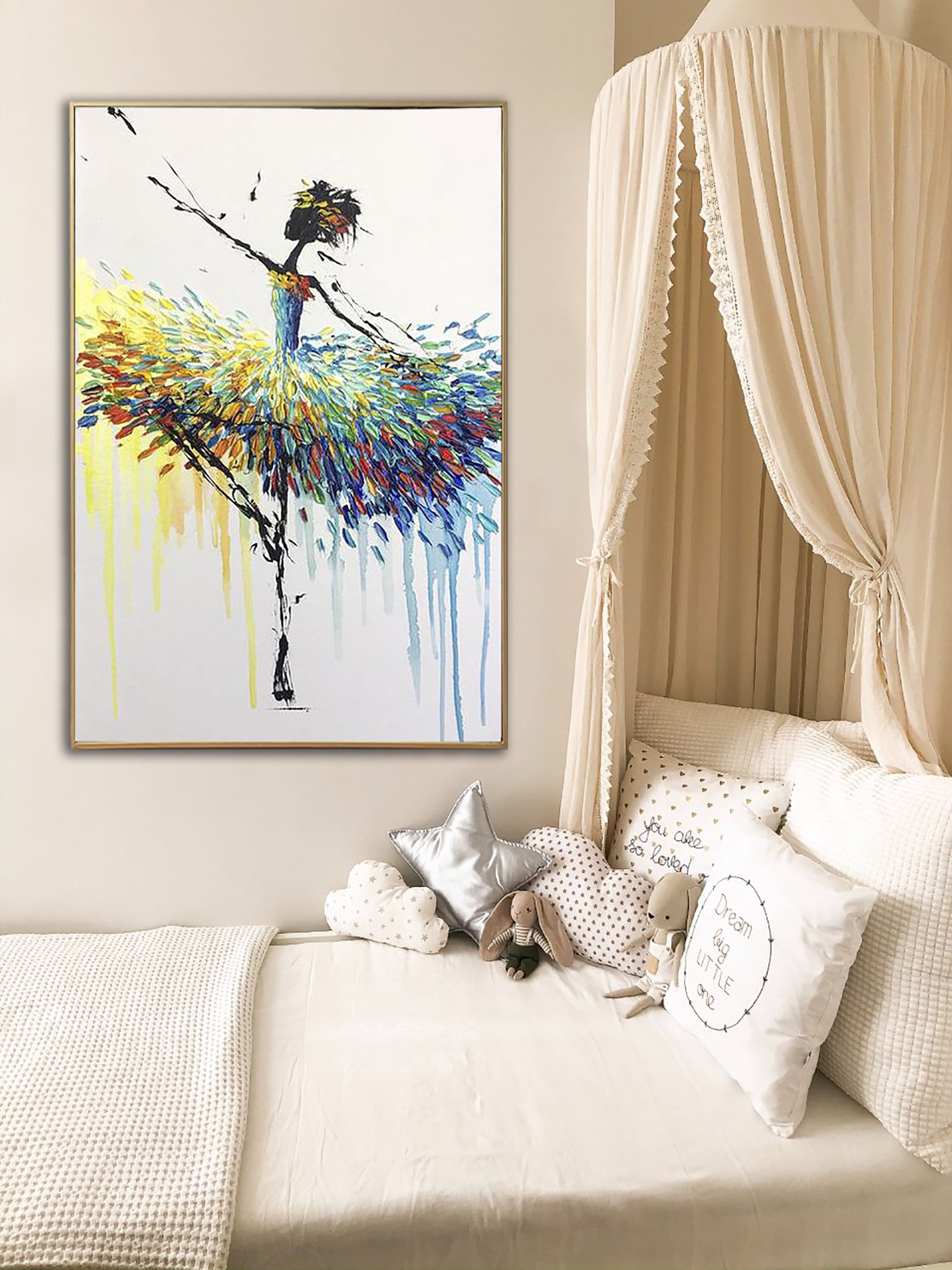
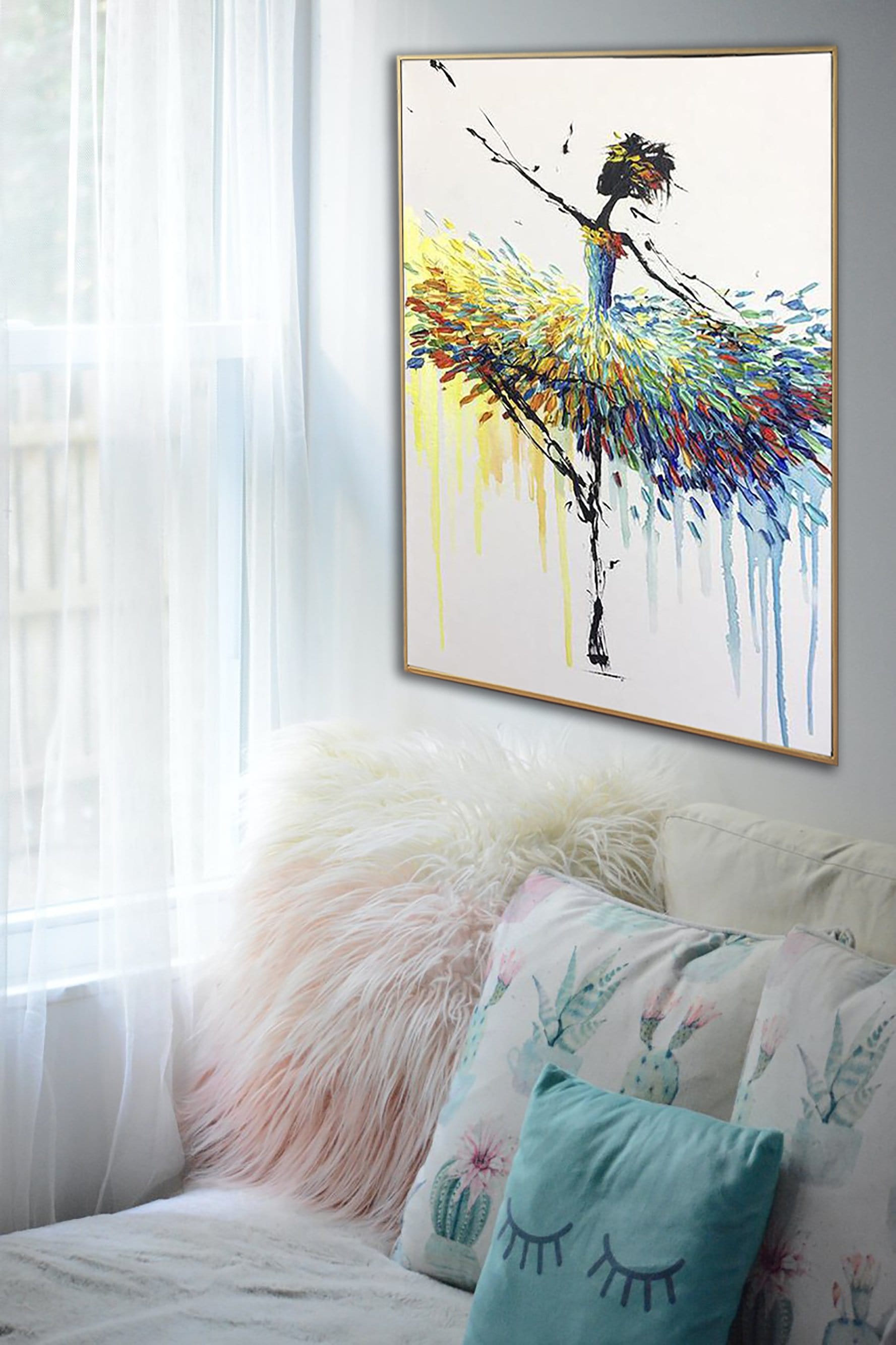
Why have oil paintings on canvas captivated audiences for ages with their eternal appeal? One of the most alluring and enigmatic painting mediums, oil painting immediately captures the mind of the observer. It's no surprise that oil on canvas became popular among masters like Michelangelo, Salvador Dalí, Claude Monet, Vincent van Gogh, Leonardo da Vinci, and many more. Their creations, each of which is a masterpiece in and of itself, have permanently altered the course of history, and their names have come to represent creativity and genius. From the rich colors of the Renaissance to the sweeping landscapes of Impressionism, these iconic artists chose oil on canvas not only for tradition but for the unique qualities it offers: depth, texture, and an unparalleled vibrancy that seem to bring every brushstroke to life.
Oil paint, with its slow-drying nature, gives artists the freedom to blend, layer, and build up textures that can capture light in subtle and complex ways. On canvas, these layers interact with the fabric’s natural weave, adding dimension and an almost tactile richness that draws the viewer in. Unlike other mediums, oil on canvas allows colors to retain a luminous quality over time, making each painting appear as fresh and striking as the day it was completed. This combination of durability, depth, and the versatility to portray emotions and ideas in captivating detail has kept oil on canvas at the heart of fine art for generations. It’s more than a medium—it’s a legacy, one that connects us with the very essence of artistic expression.
What Unique Qualities Set Oil Paint Apart in the World of Fine Art?
Oil paint's delayed drying time is one of its distinguishing features, providing artists with a special ability to refine their work over time. Oil paint can stay workable for days or even weeks, in contrast to acrylics or watercolors, which dry rapidly and restrict the amount of rework possible. This enables complex layering and mixing, allowing artists to progressively build up their scenes and add depth and realism. This medium is preferred for portraits, landscapes, and intricate compositions that demand accuracy because it makes it possible to achieve minute details, delicate shading, and smooth color transitions.
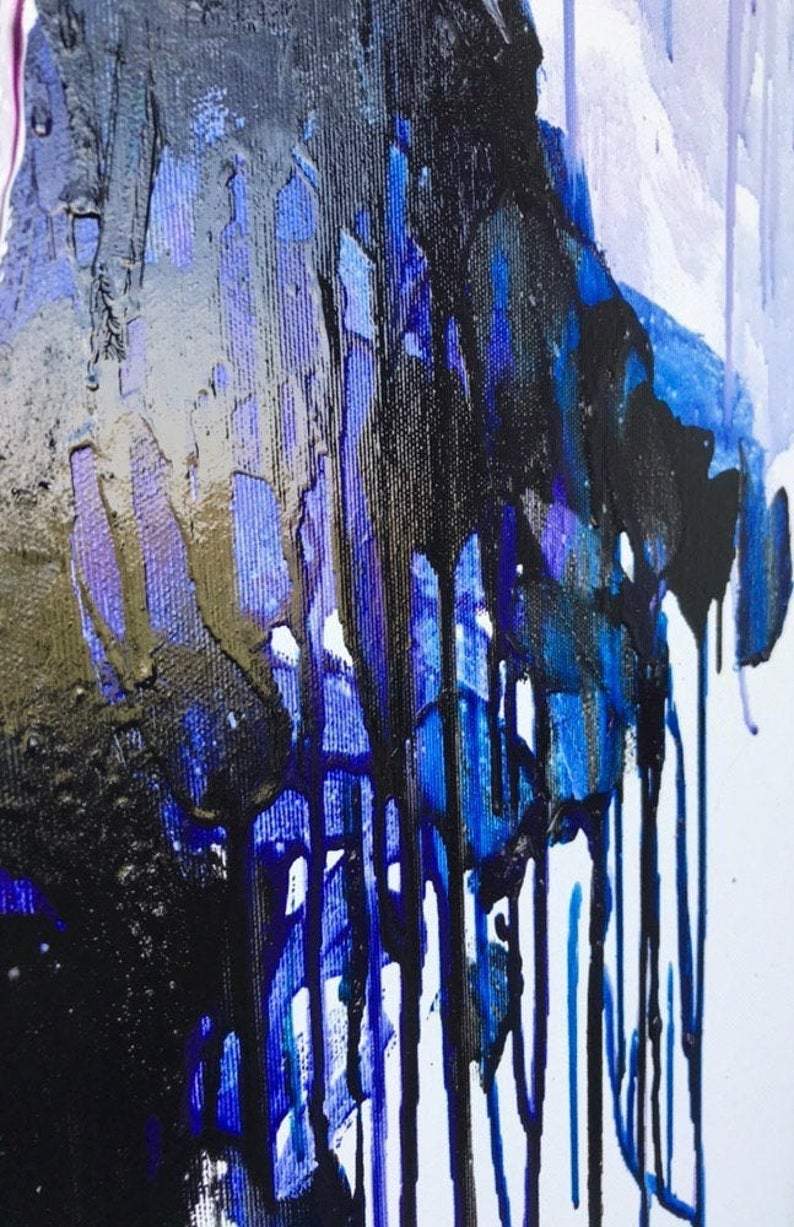
The extended drying time also enables artists to work “wet-on-wet,” a technique where wet layers of paint are applied atop each other. This flexibility makes it easy to modify sections, blend colors, and even remove or reapply entire portions with ease, allowing for nearly endless adjustments. This quality adds a level of control that makes oil paint highly versatile and forgiving.
Oil paint’s rich color retention is another key advantage. The oil base provides a natural gloss and depth that preserves color vibrancy, allowing hues to appear more intense and luminous on the canvas. This feature enables oil paintings to withstand the test of time without significant fading, even under challenging lighting conditions. Famous works like van Gogh’s Starry Night and da Vinci’s Mona Lisa showcase this timeless vibrancy, appearing as dynamic and captivating today as they did when first painted.
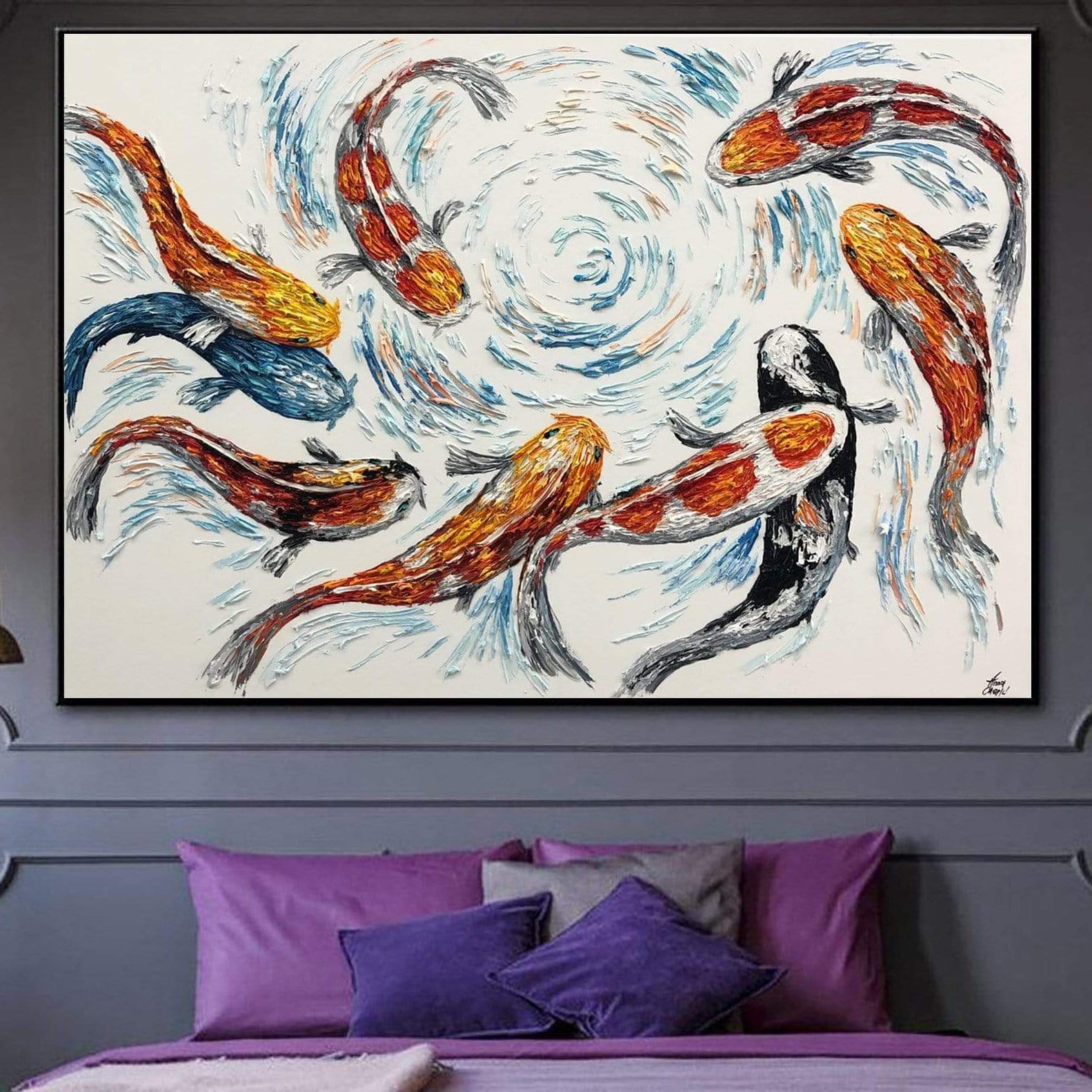
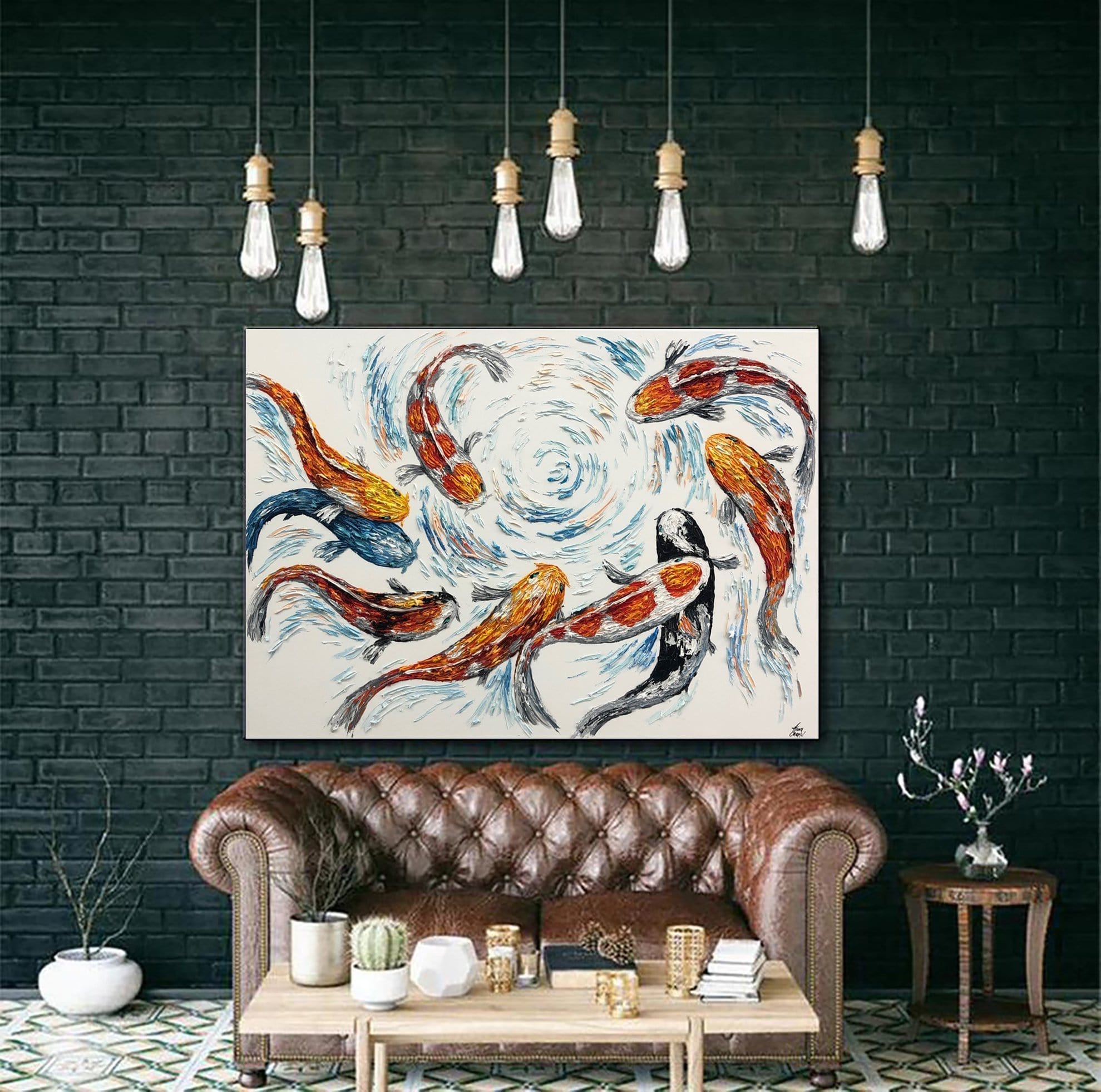
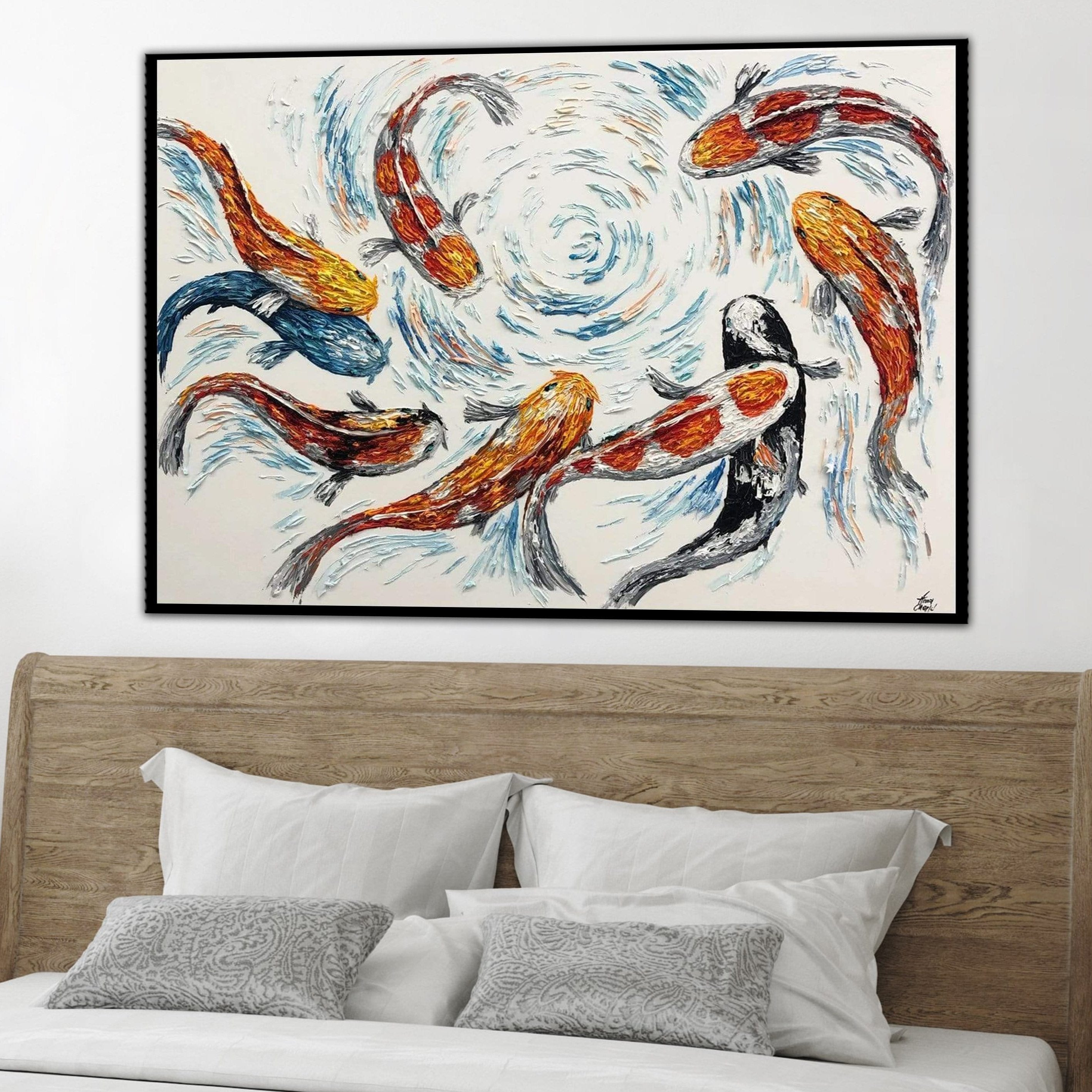
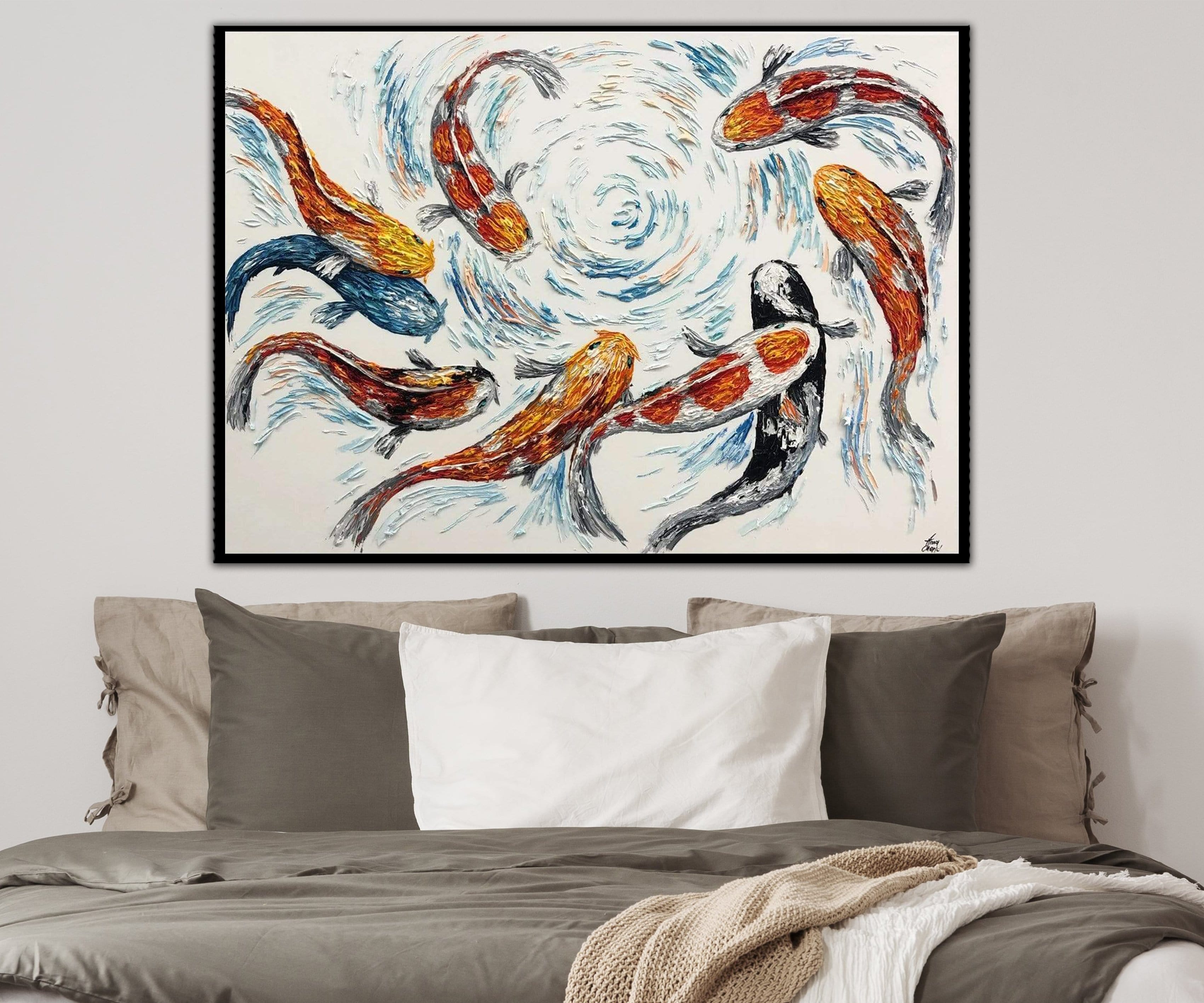
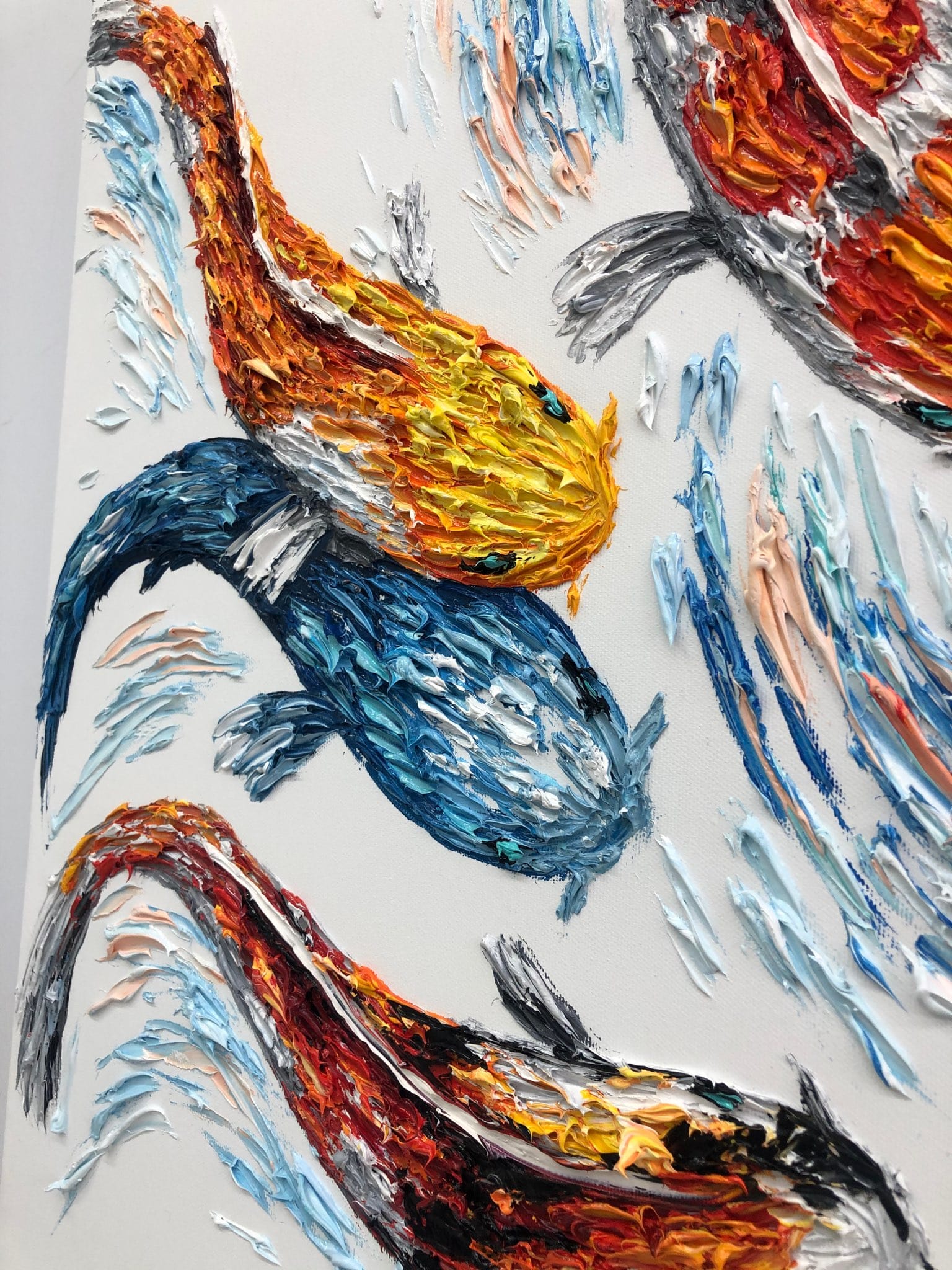
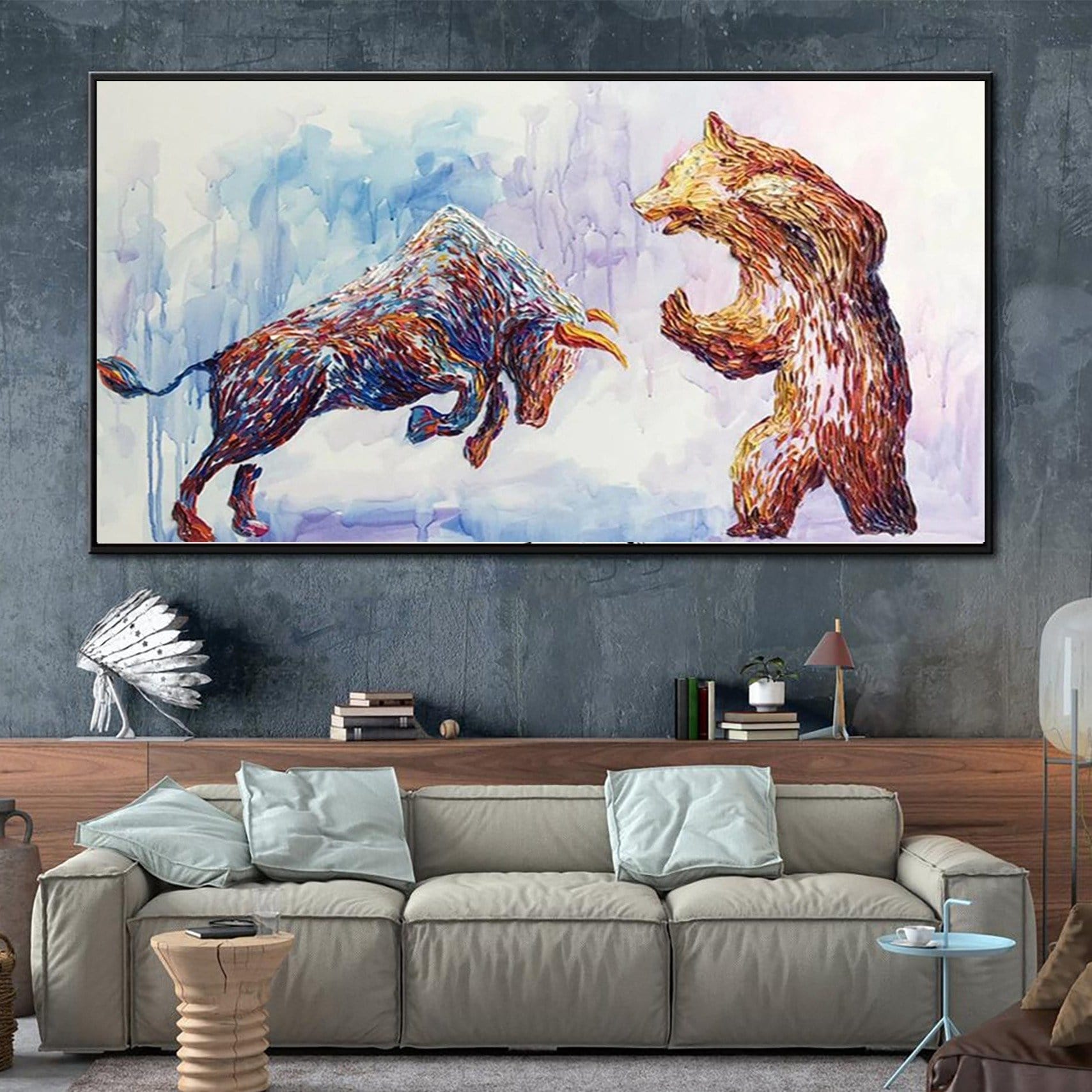
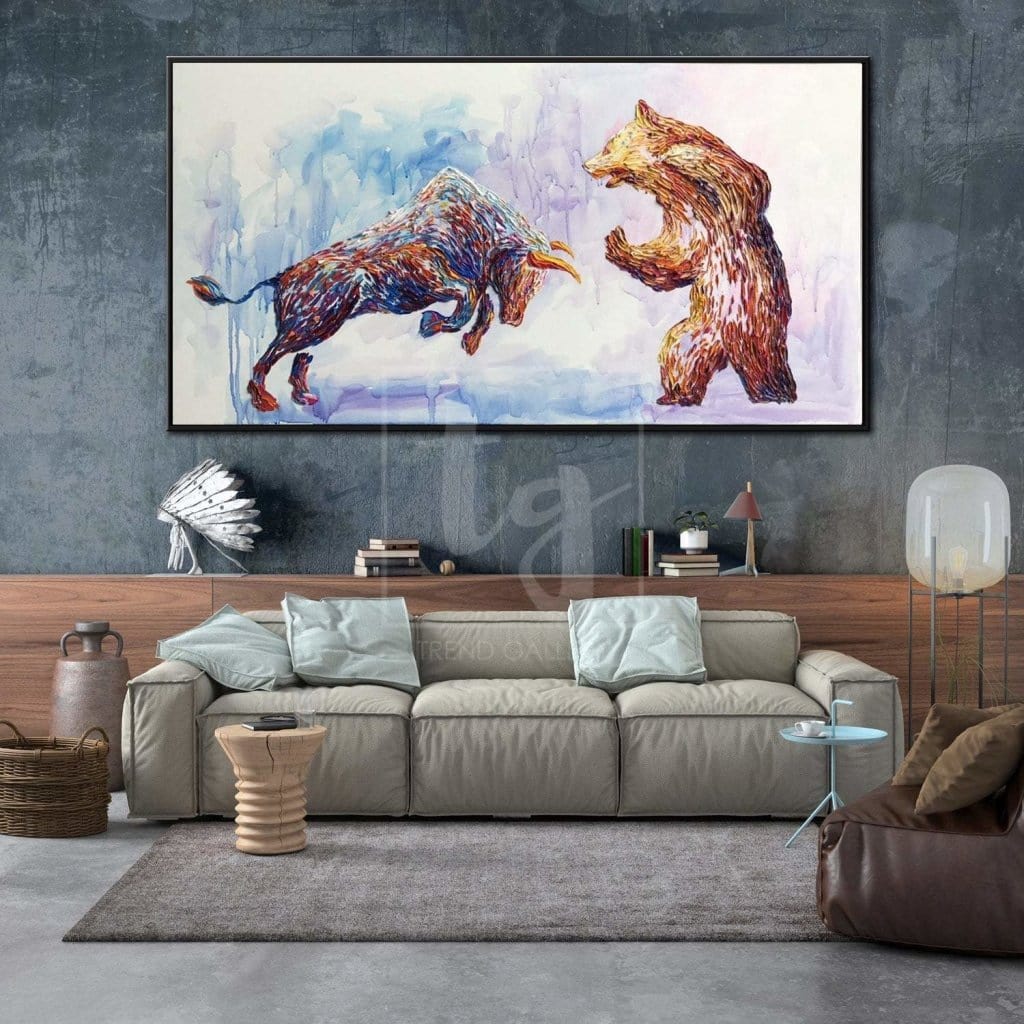
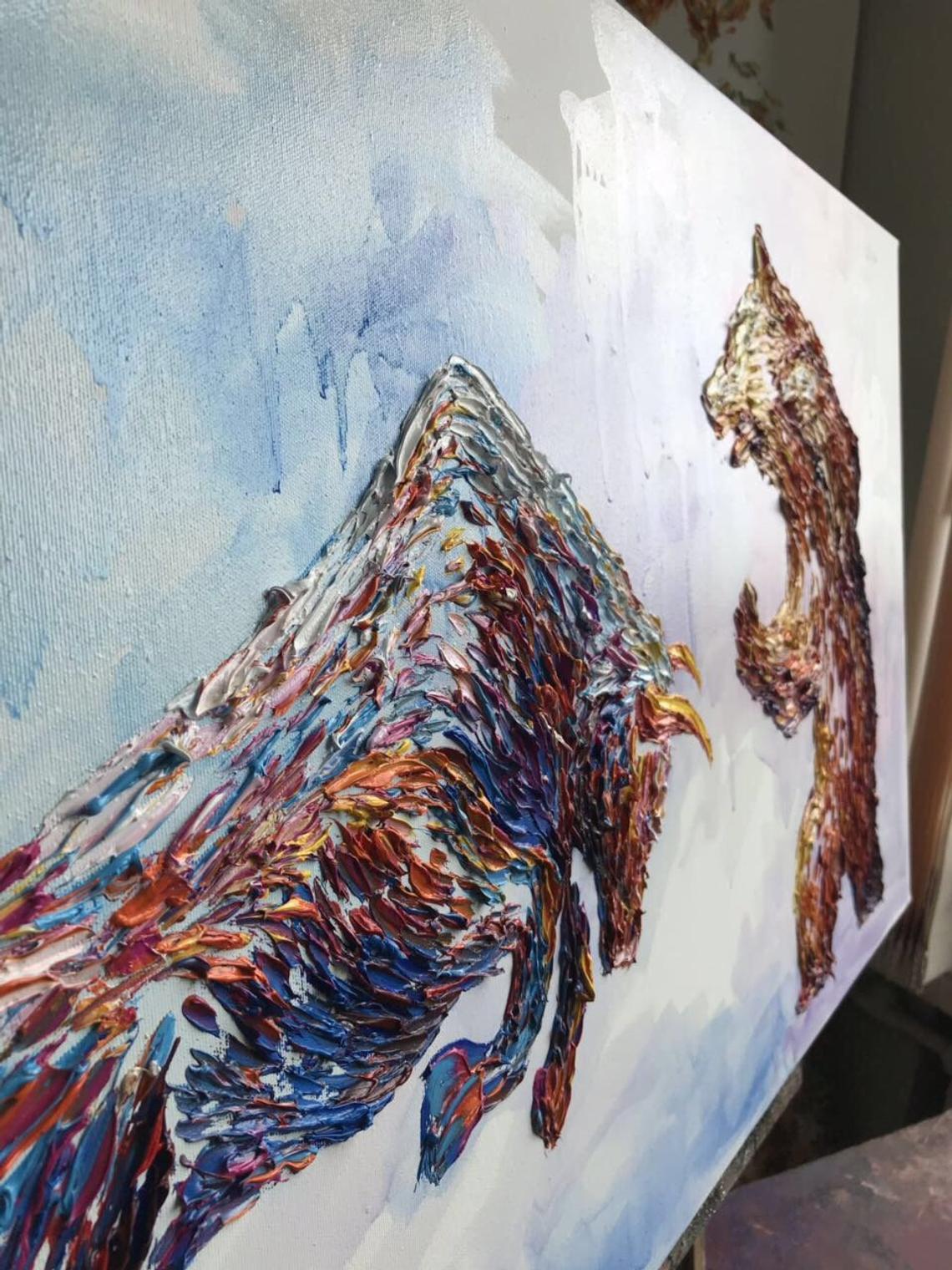
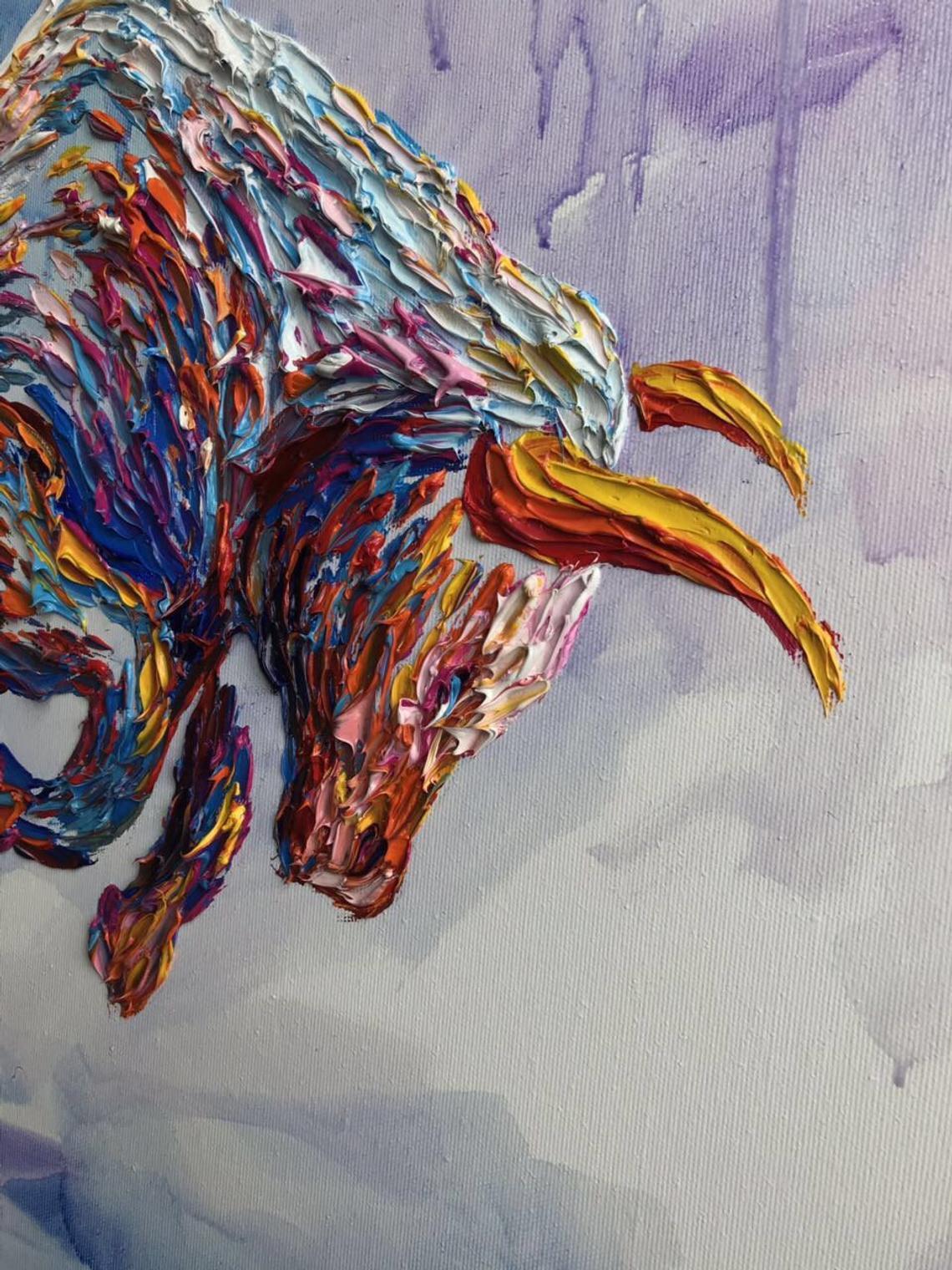
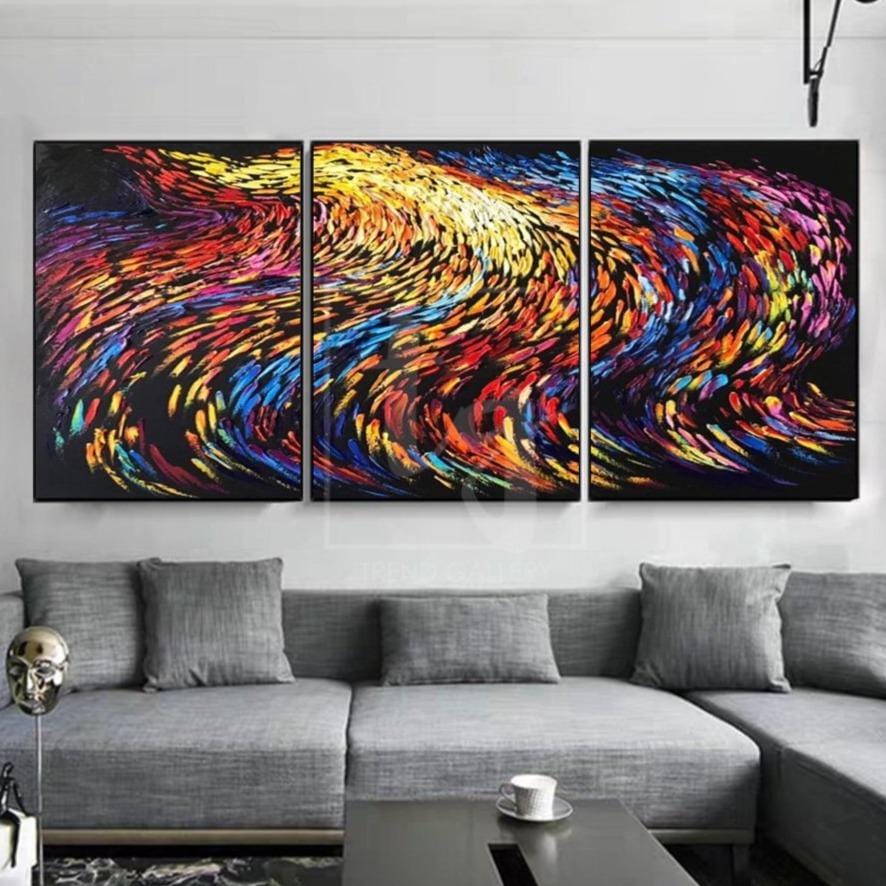
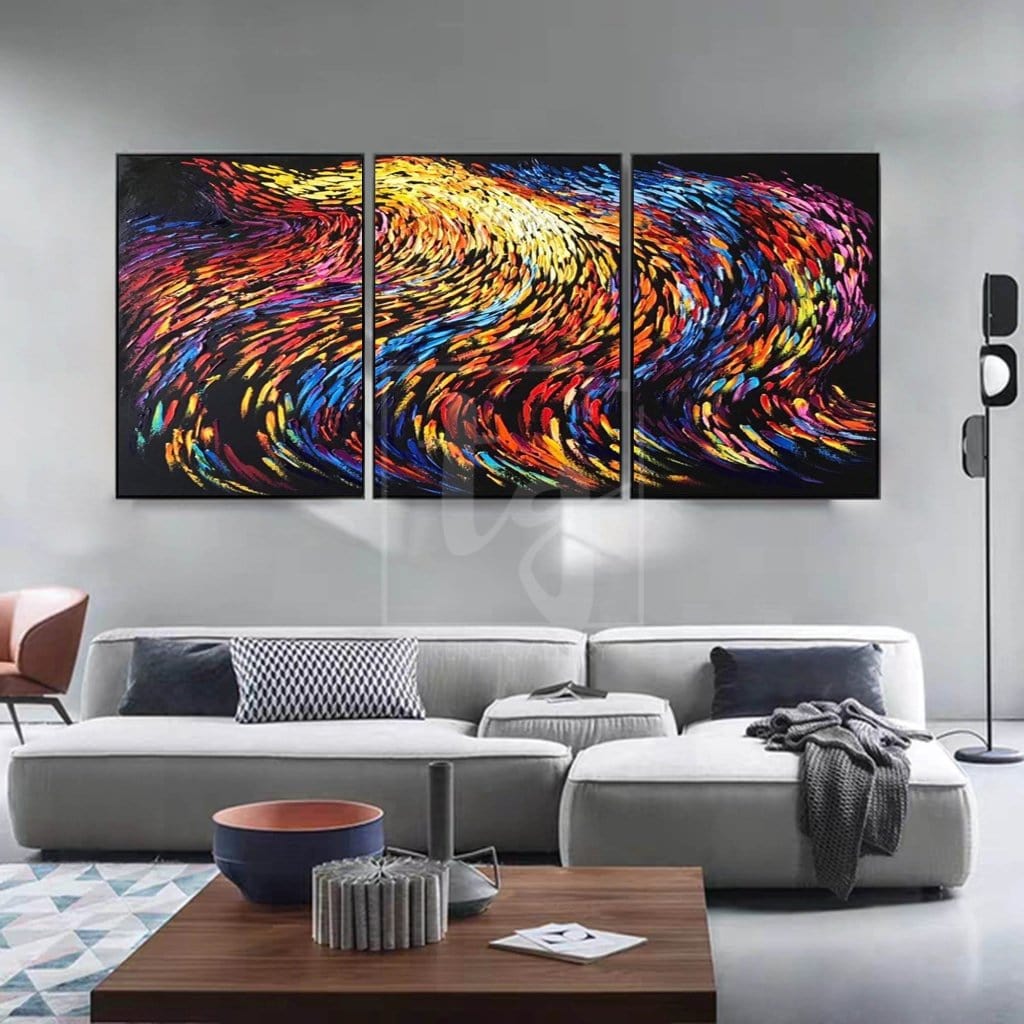
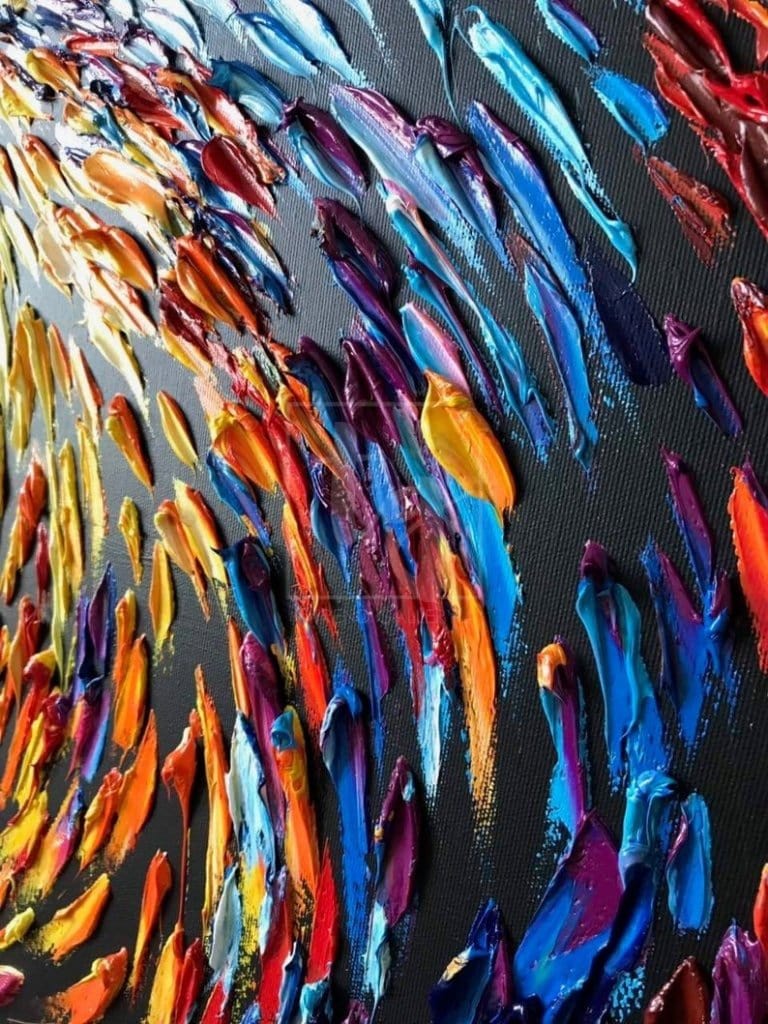
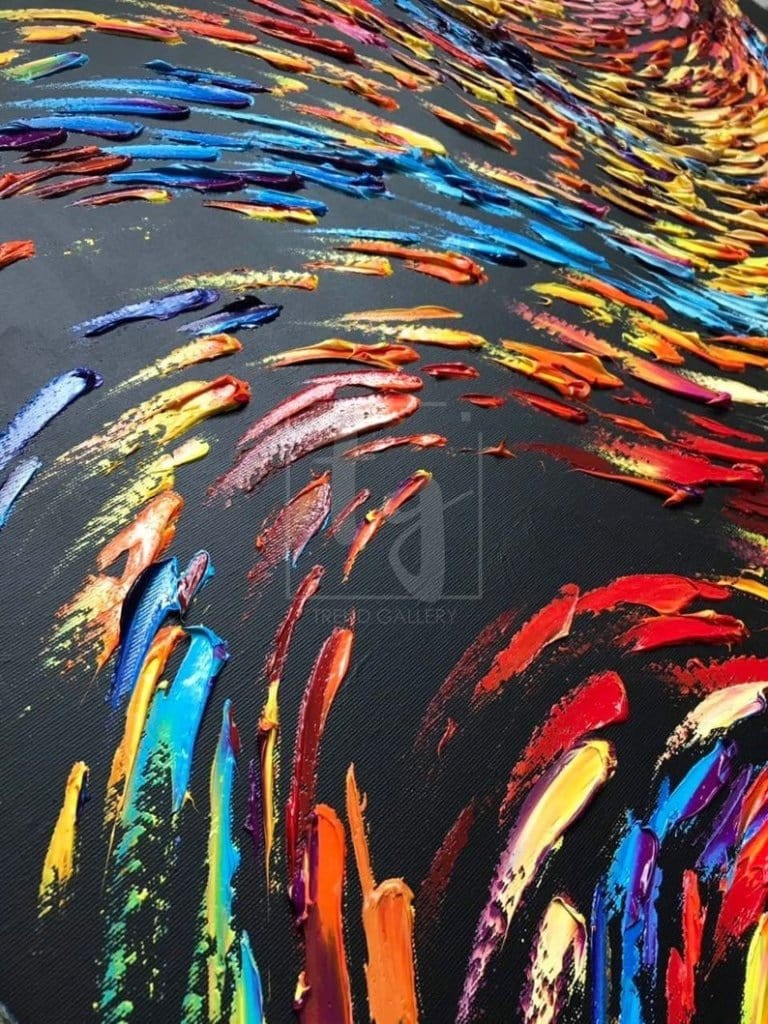
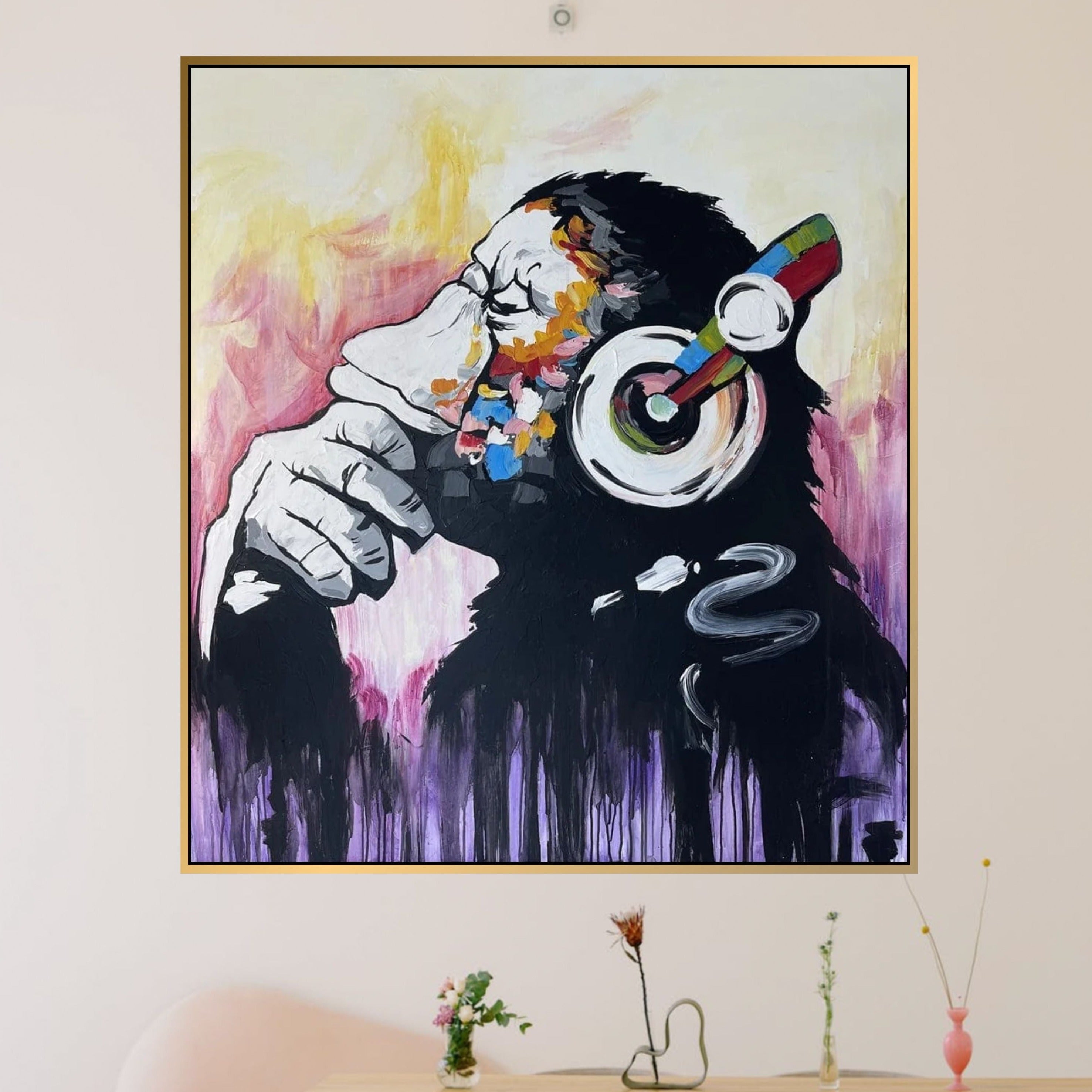
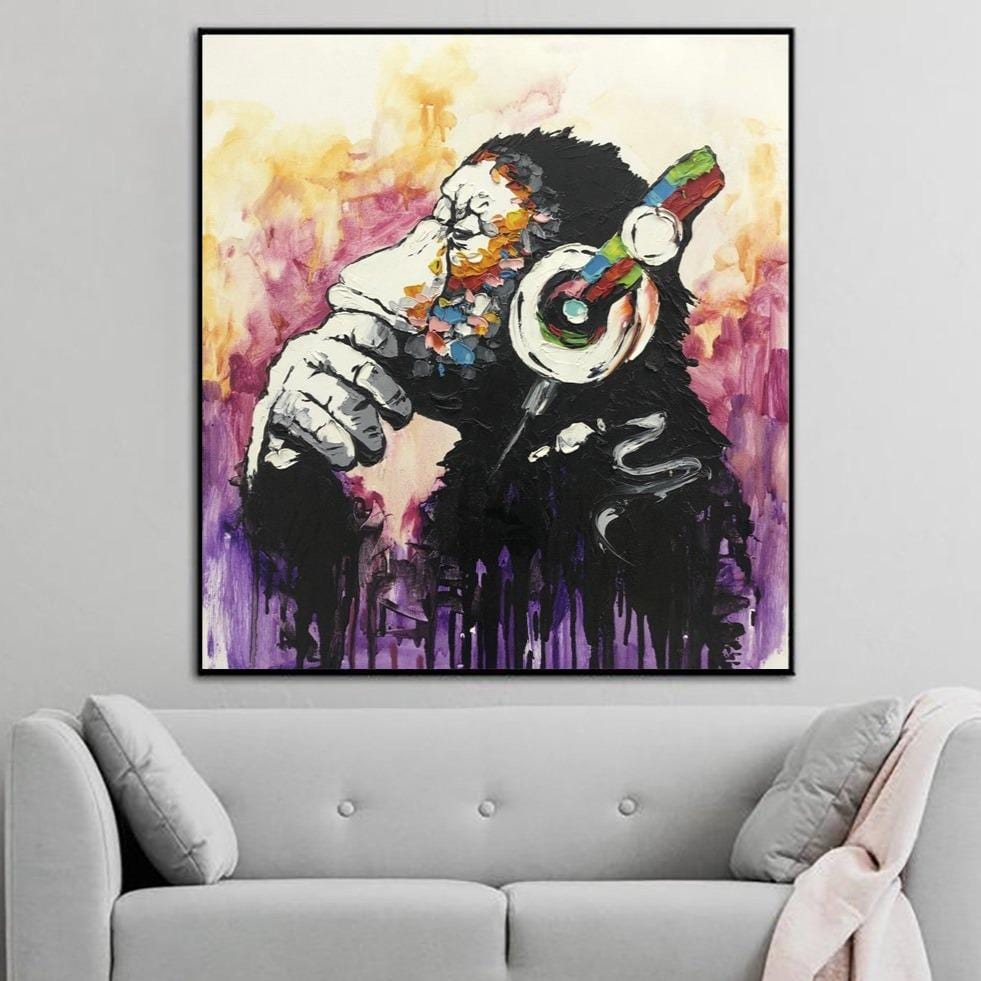
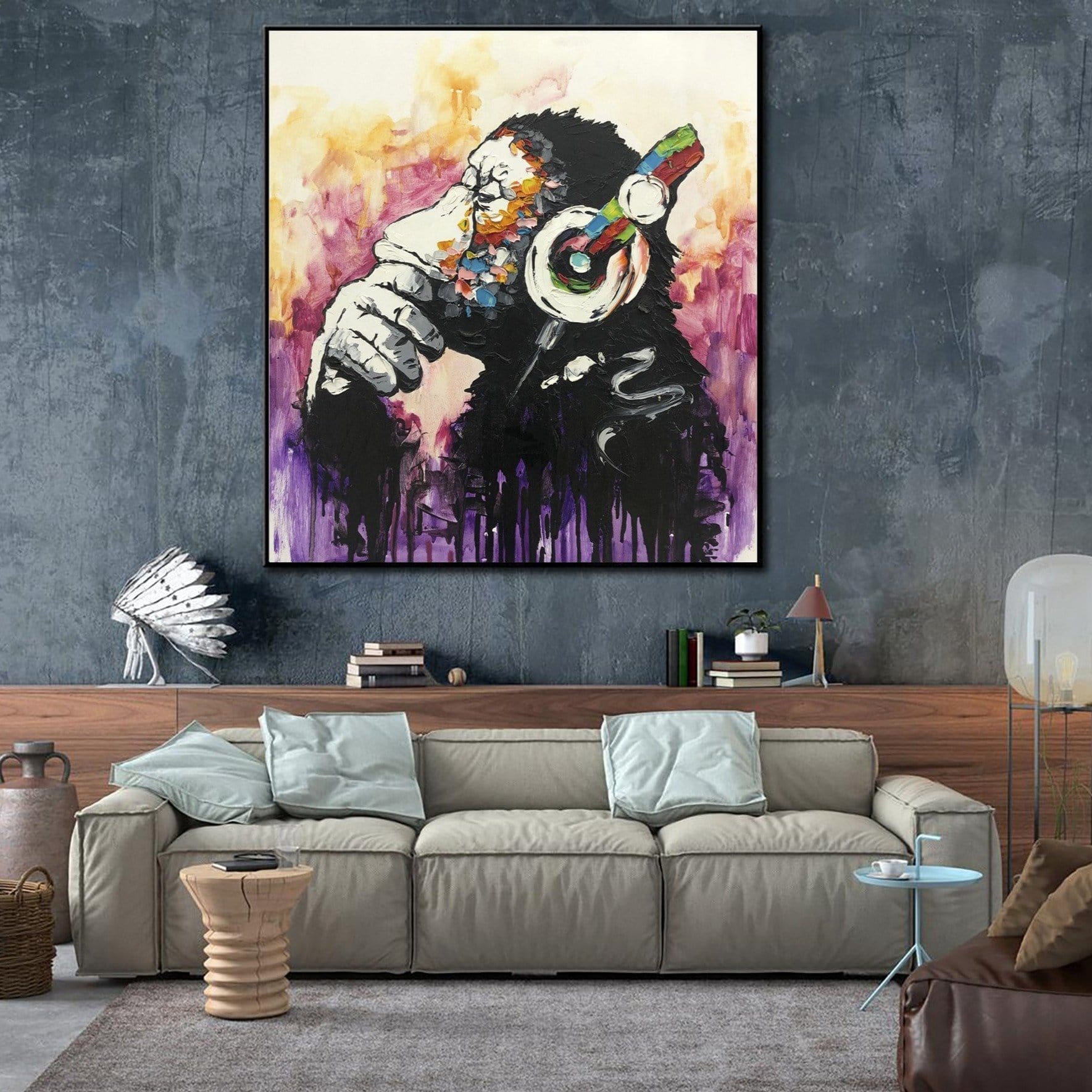
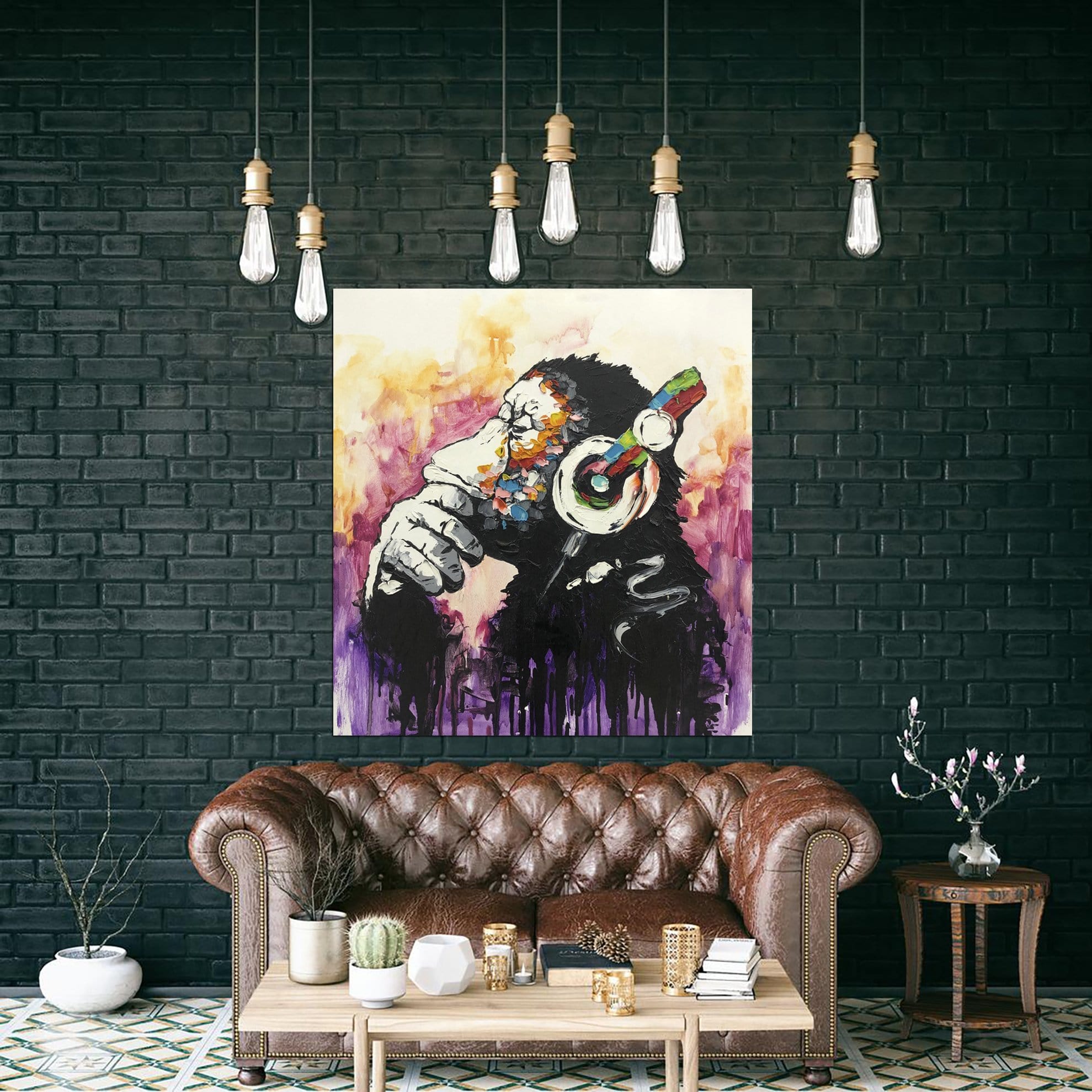
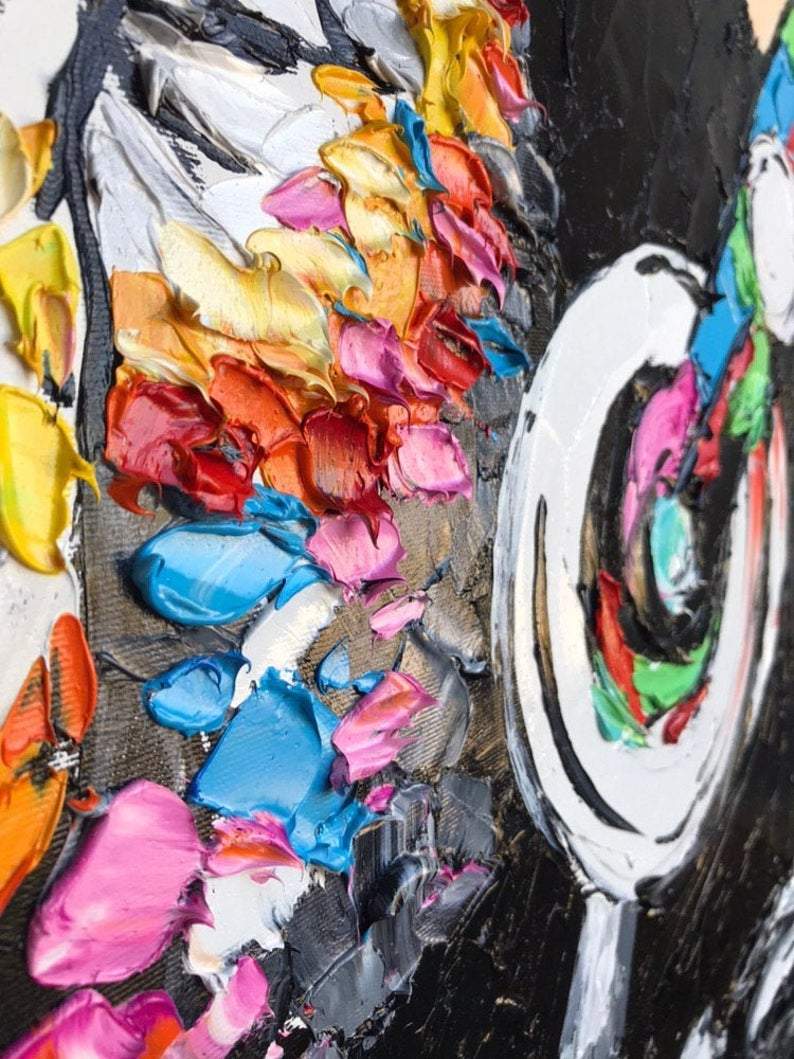
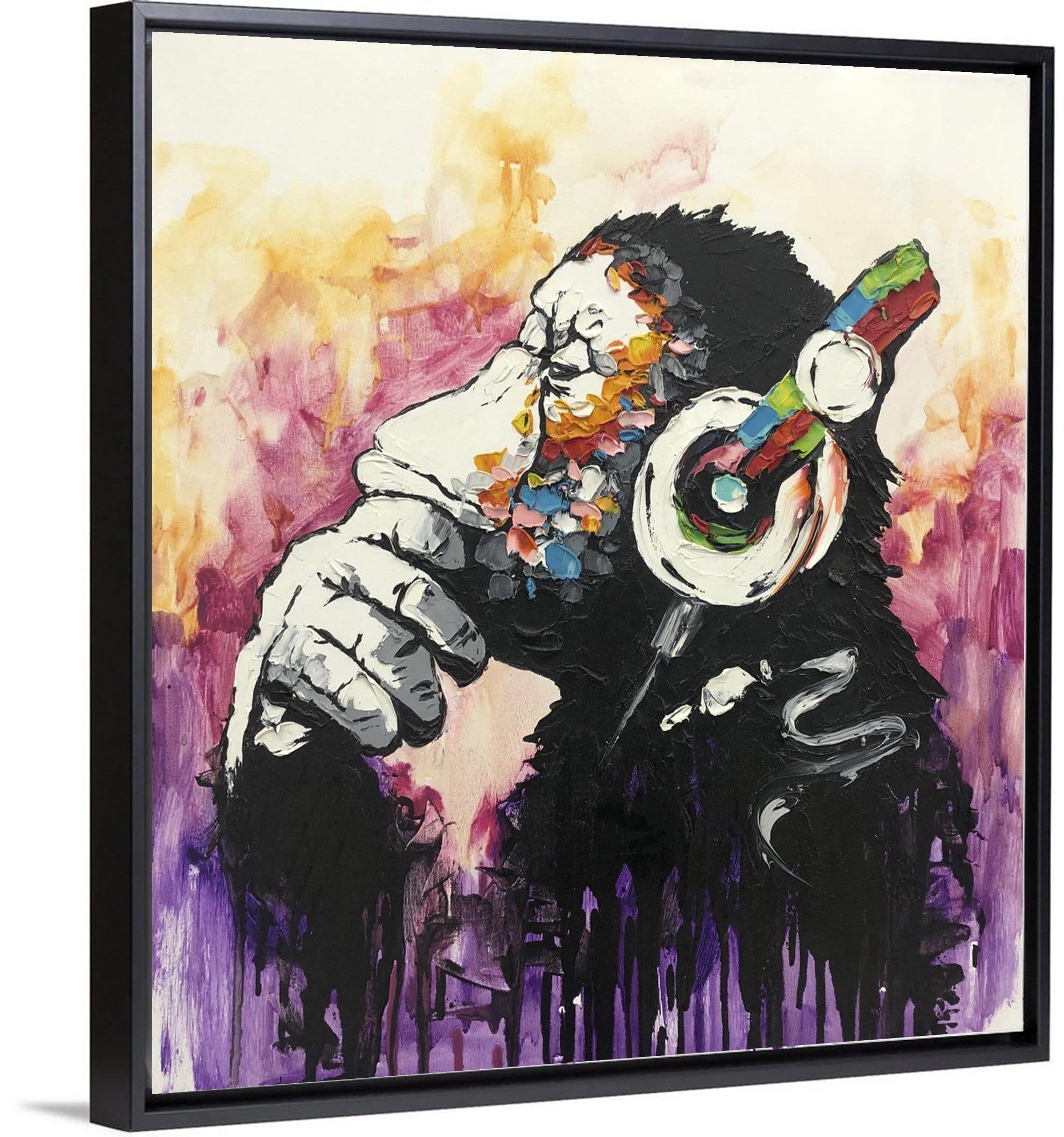
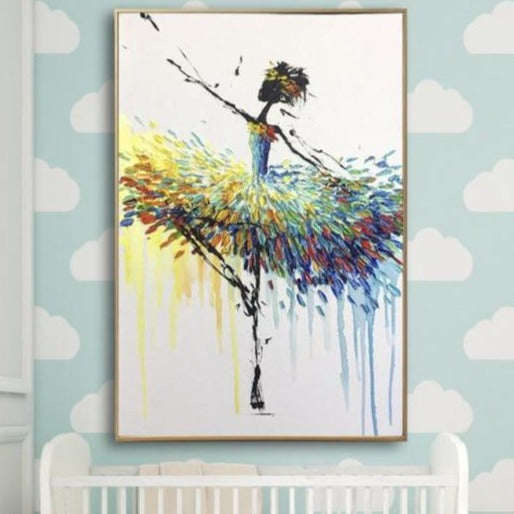
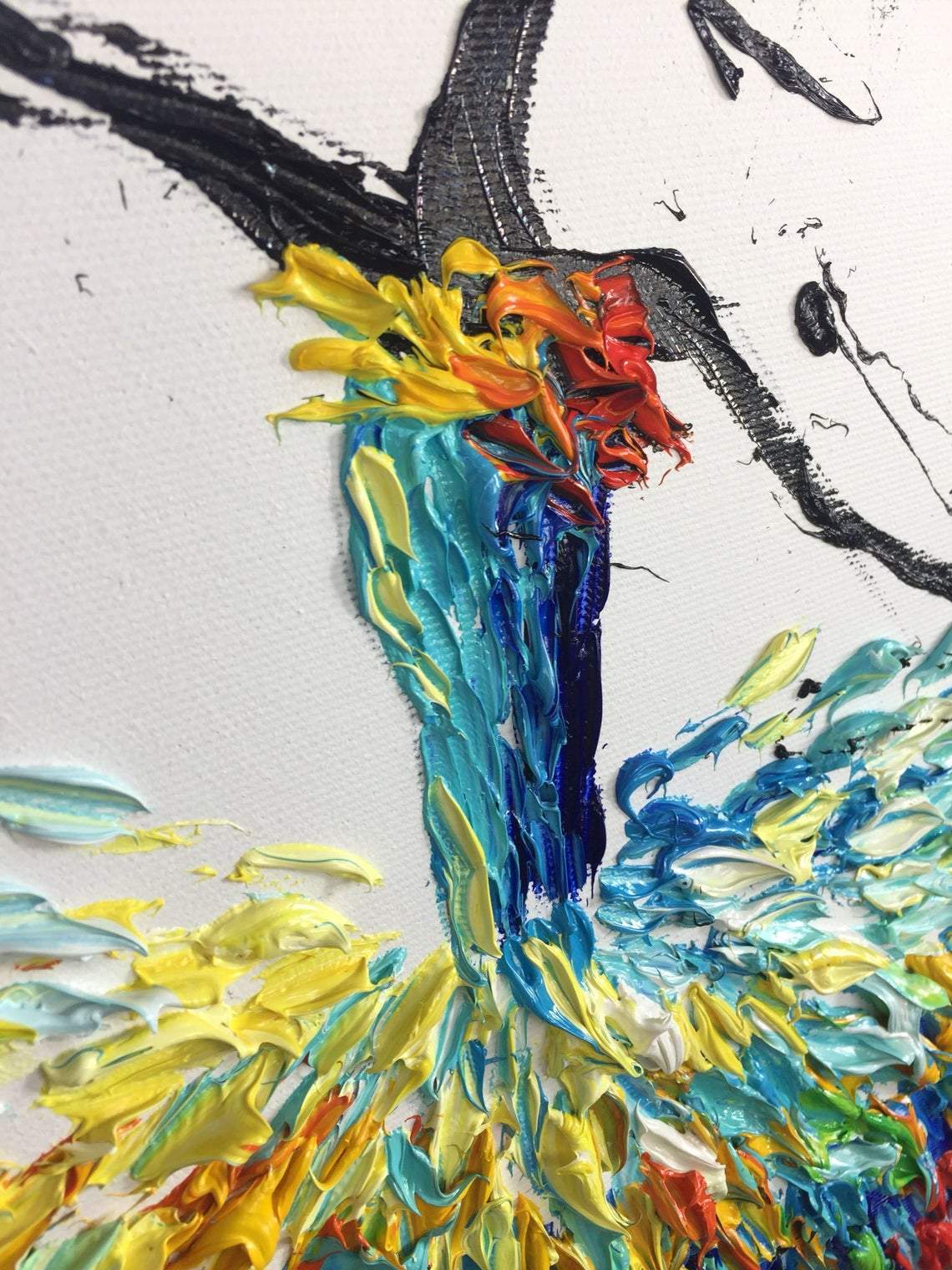
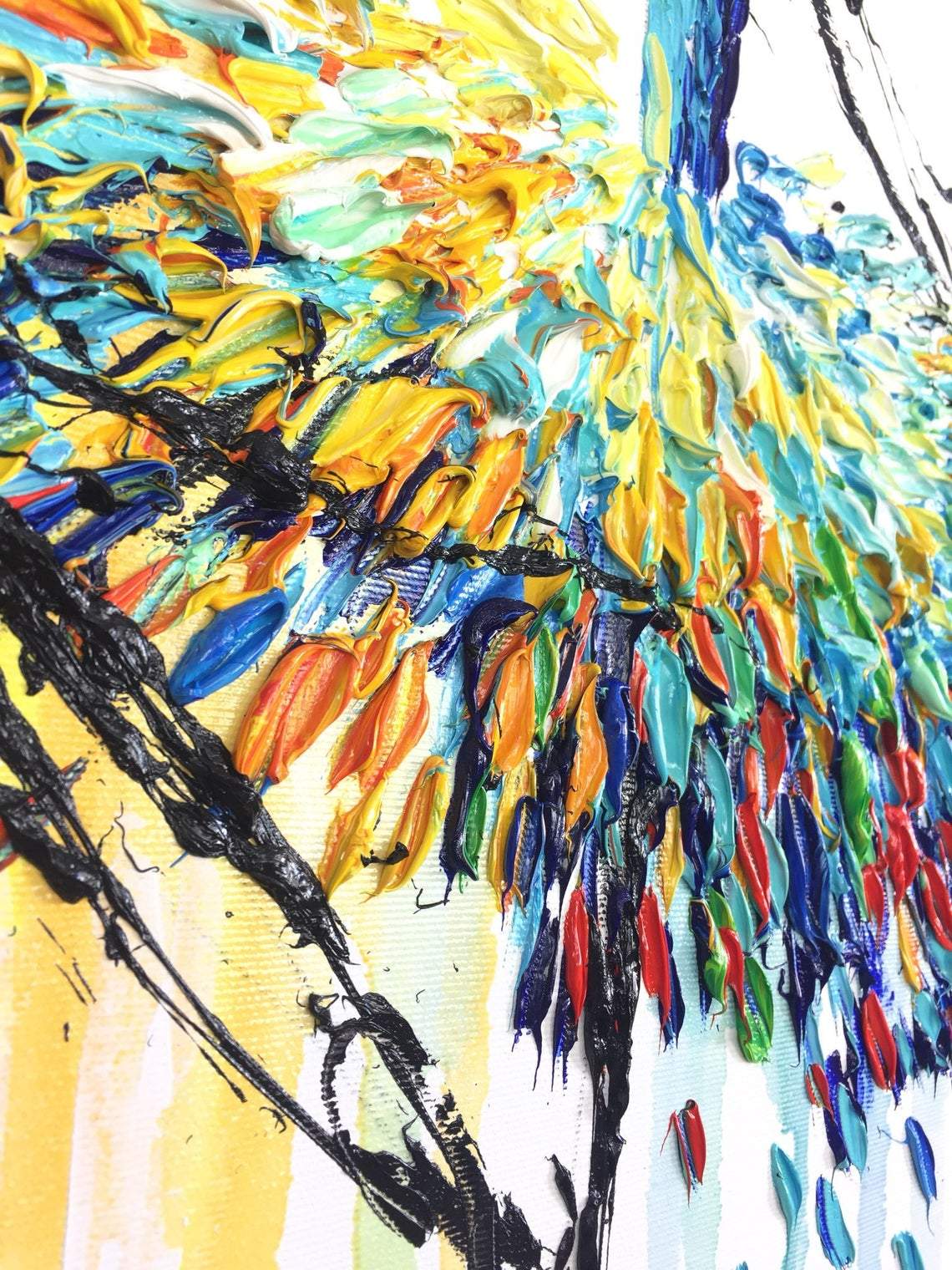
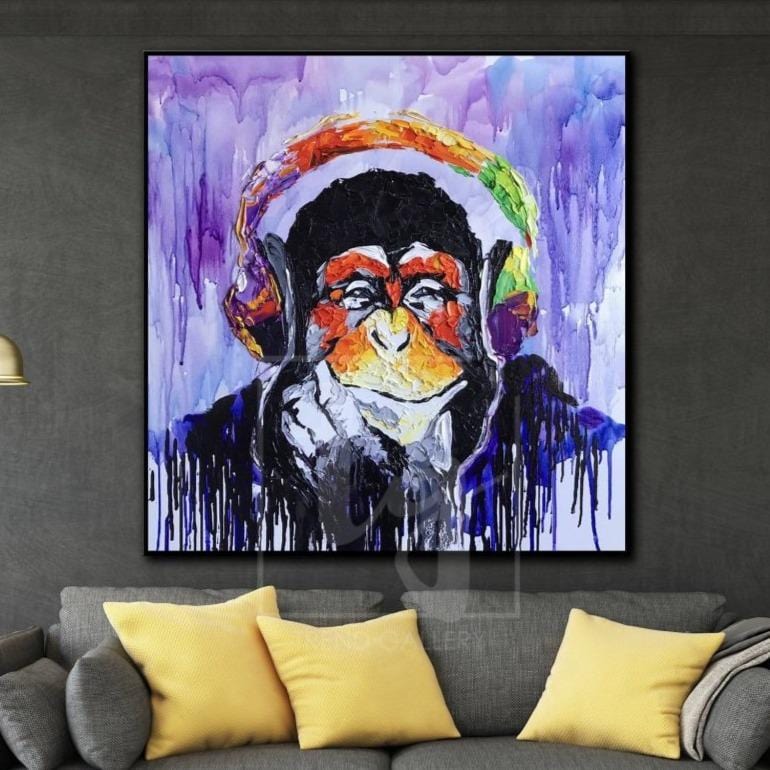
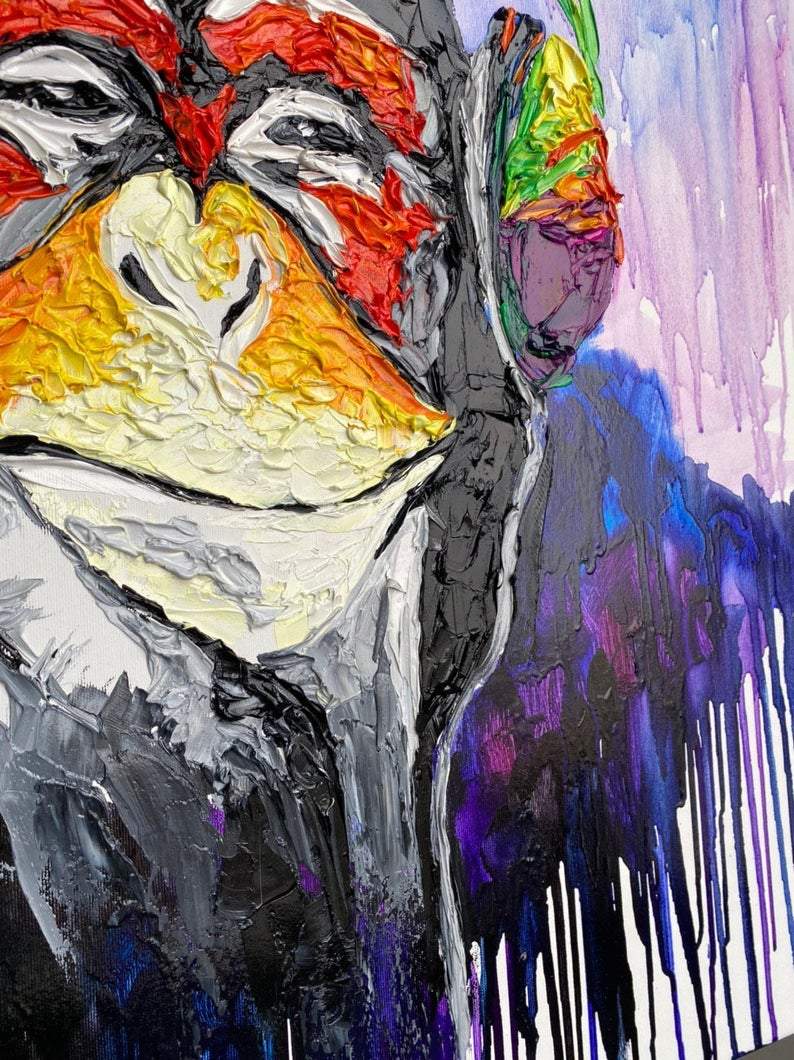
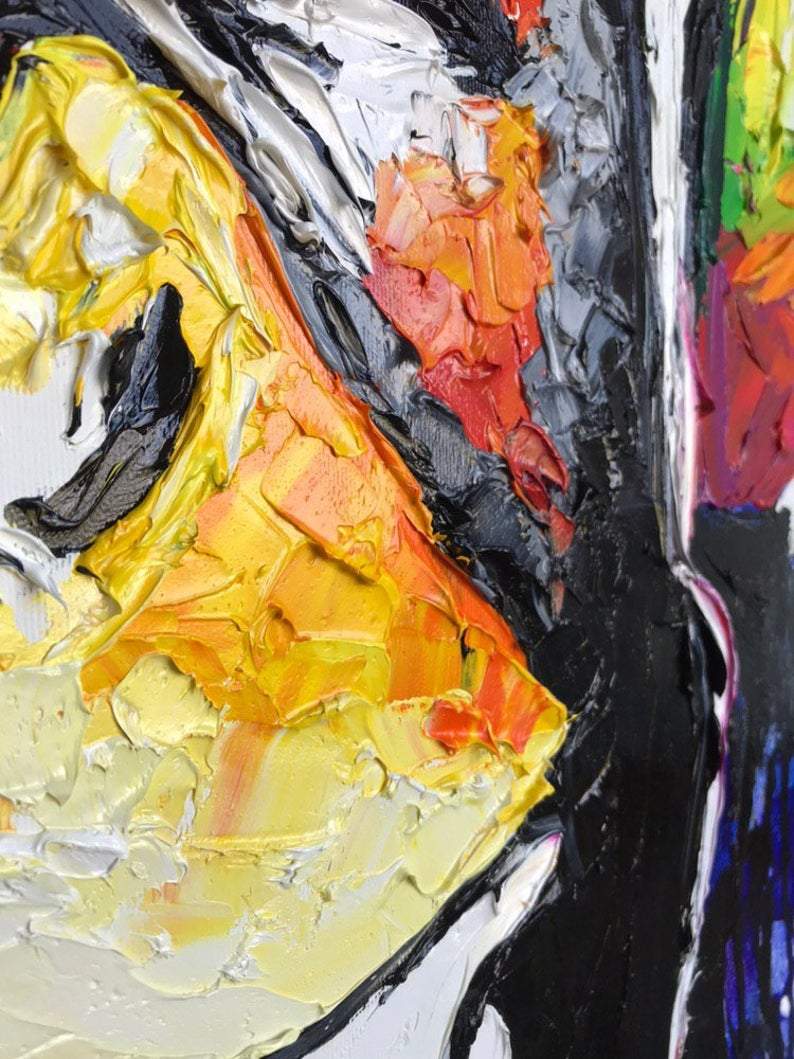
The capacity to create rich textures and layers is one of oil paint's most visually appealing features. Impasto techniques allow artists to create thick, dimensional layers that add texture to their work, transforming each brushstroke into a tactile aspect of the painting. These rough layers catch and reflect light in ways that give the artwork a dynamic, three-dimensional appearance. Oil paint also works well with a variety of tools, including classic brushes and palette knives, allowing artists to experiment and achieve a wide range of effects.
In short, oil paint’s slow drying time, exceptional color retention, and adaptability for texture and layering make it a powerful tool for creating artworks with depth, emotion, and lasting beauty. These qualities not only enhance the visual appeal of each piece but also underscore oil paint’s enduring place in the history of fine art.

Techniques for Applying Oil Paint
Oil paint offers artists a variety of methods for achieving different textures, depth, and effects. One popular technique is glazing, which involves working with thin, transparent layers of light and dark paint. When applied, these layers allow two colors to appear at once, often diluted with a solvent to enhance transparency, creating a luminous, layered effect.
Impasto is another powerful technique, involving rough, thick swabs applied with a palette knife or bristle brushes. This method gives the painting a dynamic, textured surface, bringing energy and drama to the artwork and making each brushstroke a focal point.
The art of sgraffito uses two or more layers of paint applied successively, then scratched or scraped to reveal the underlying color, creating a textured, bold contour.