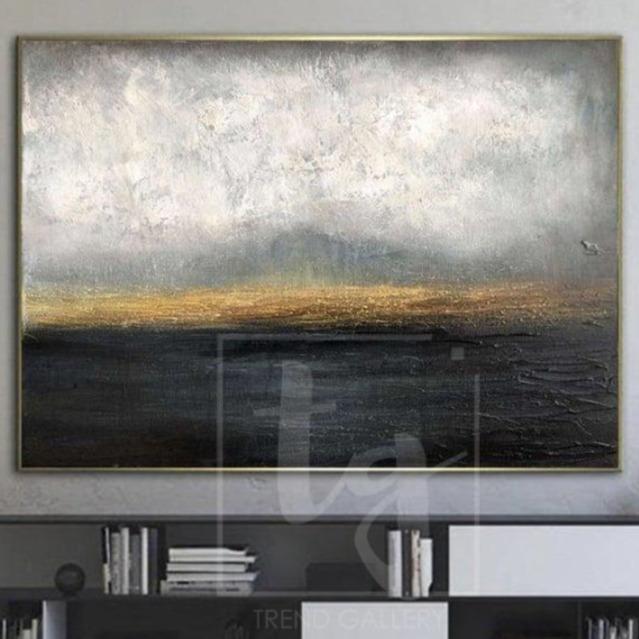
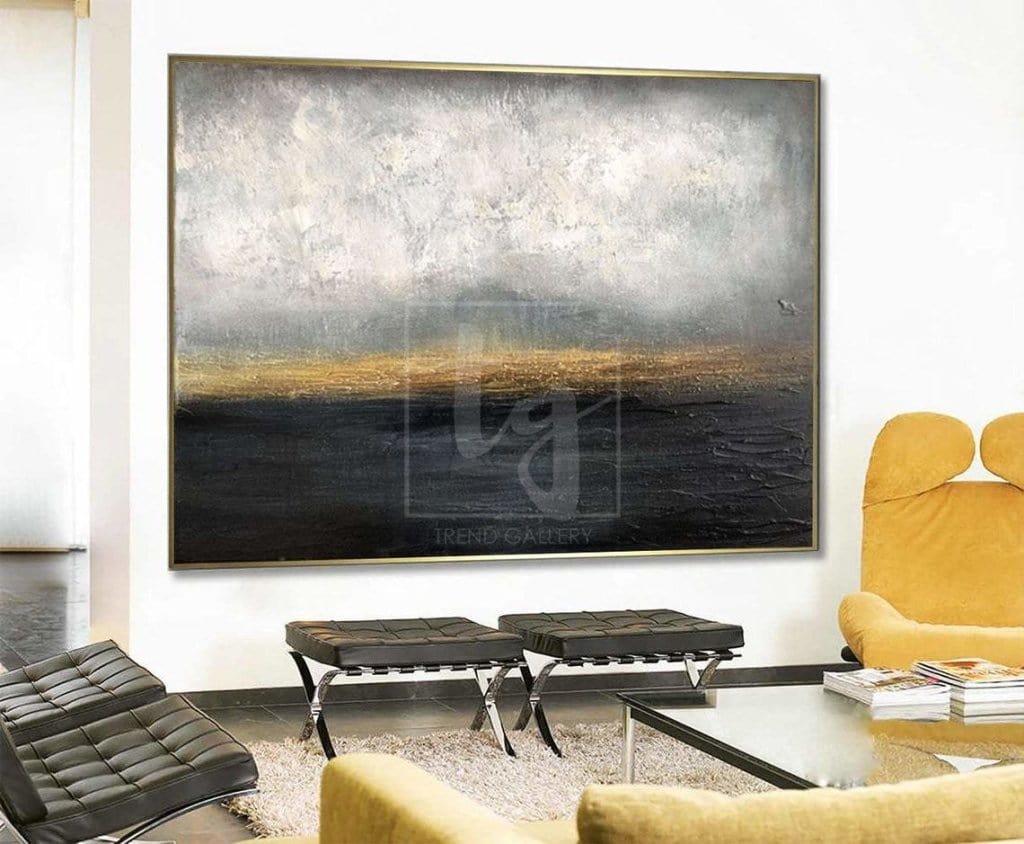
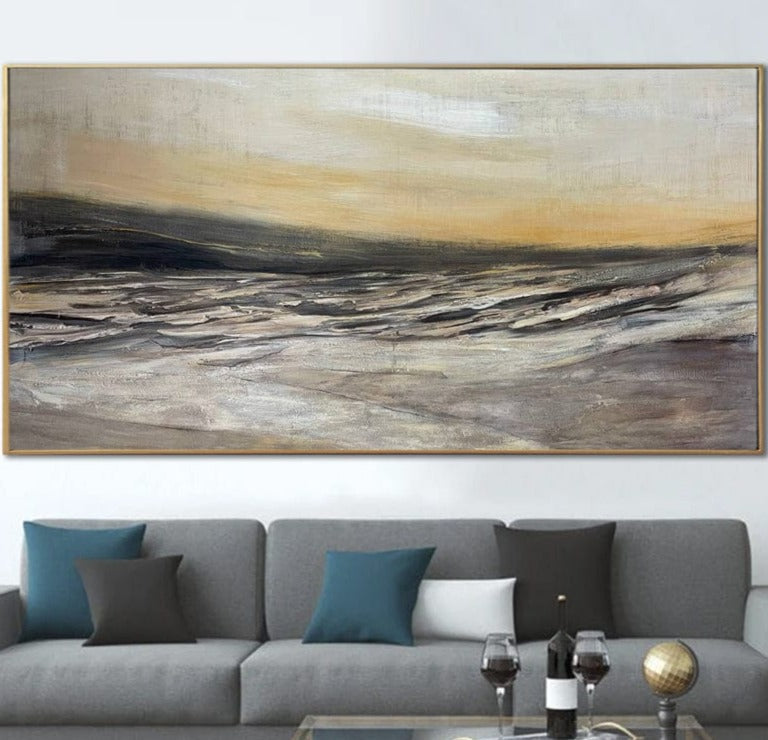
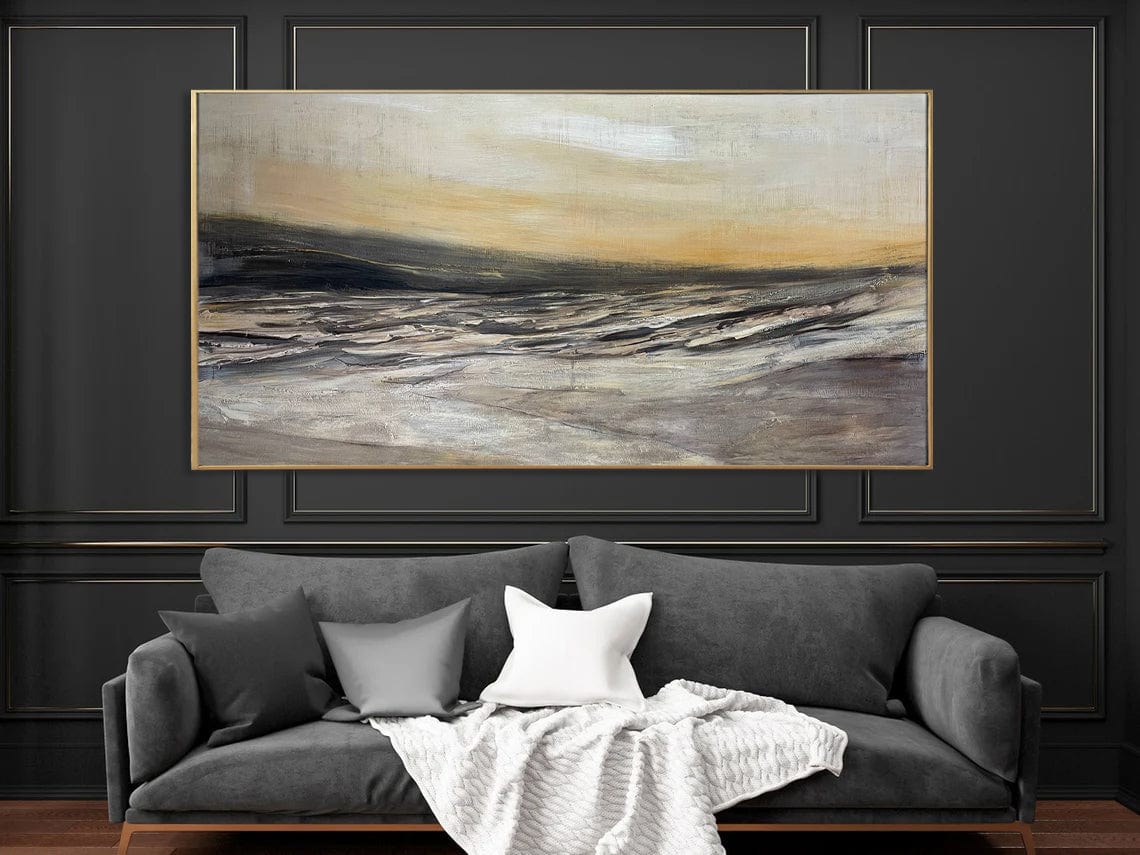
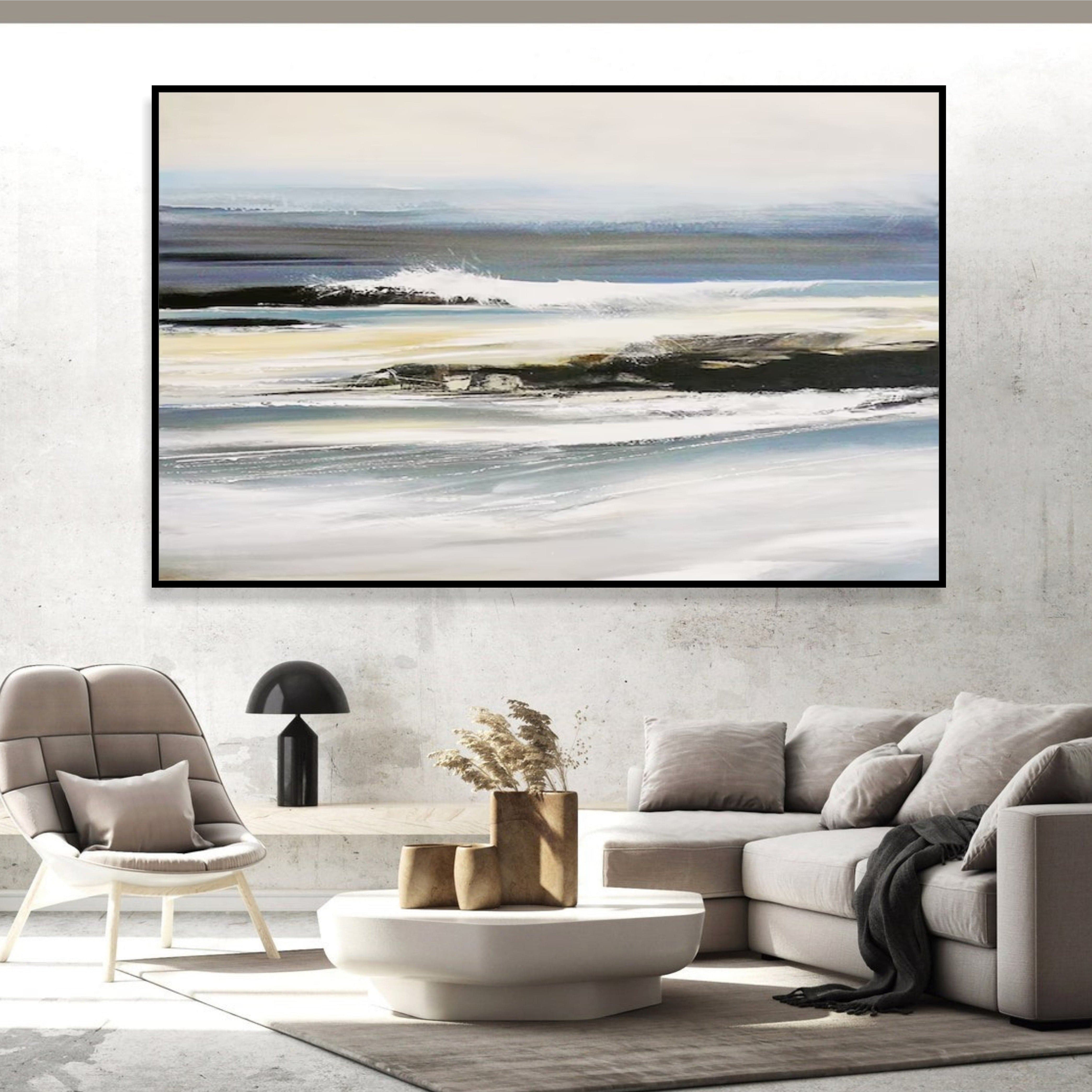
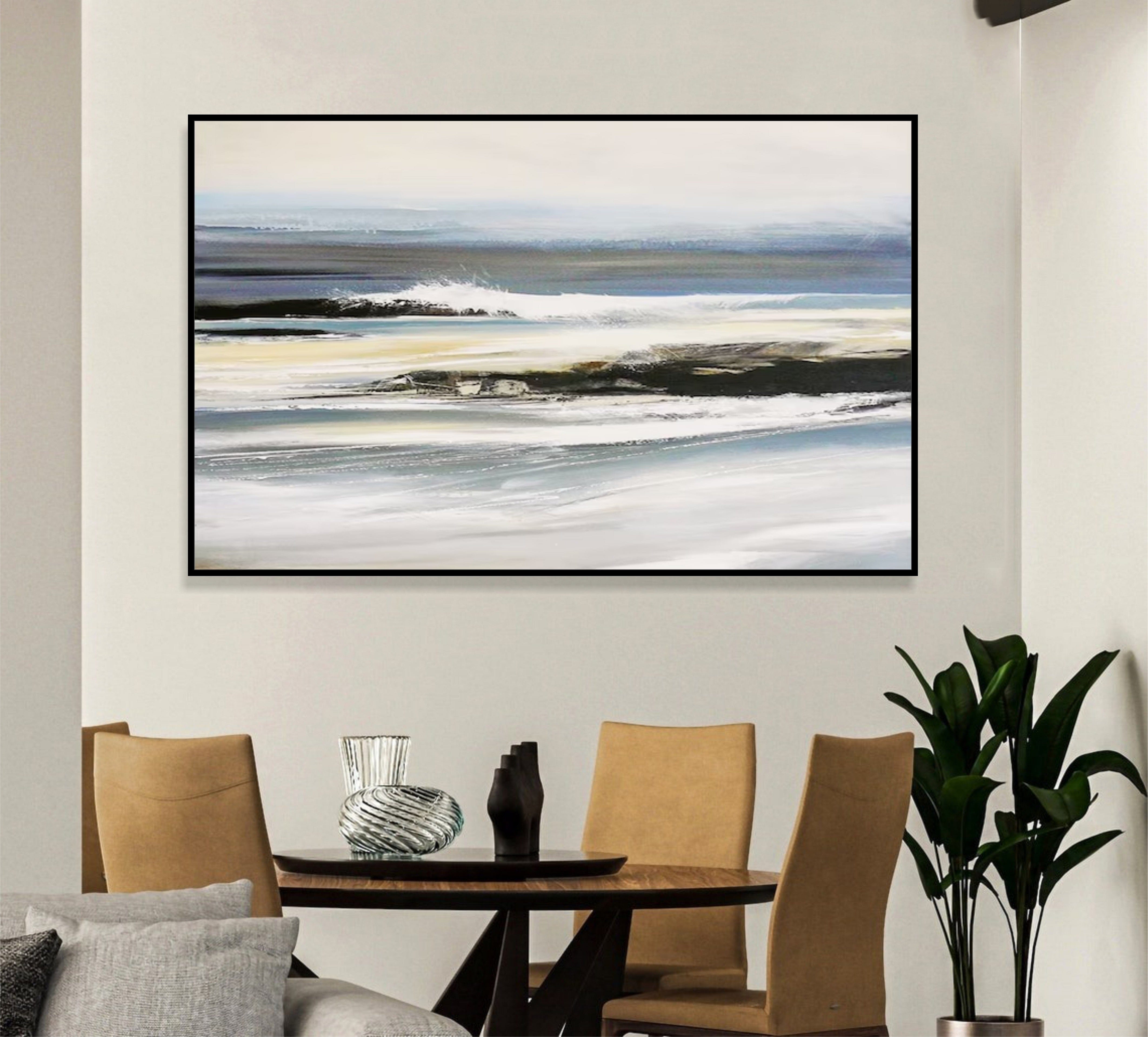
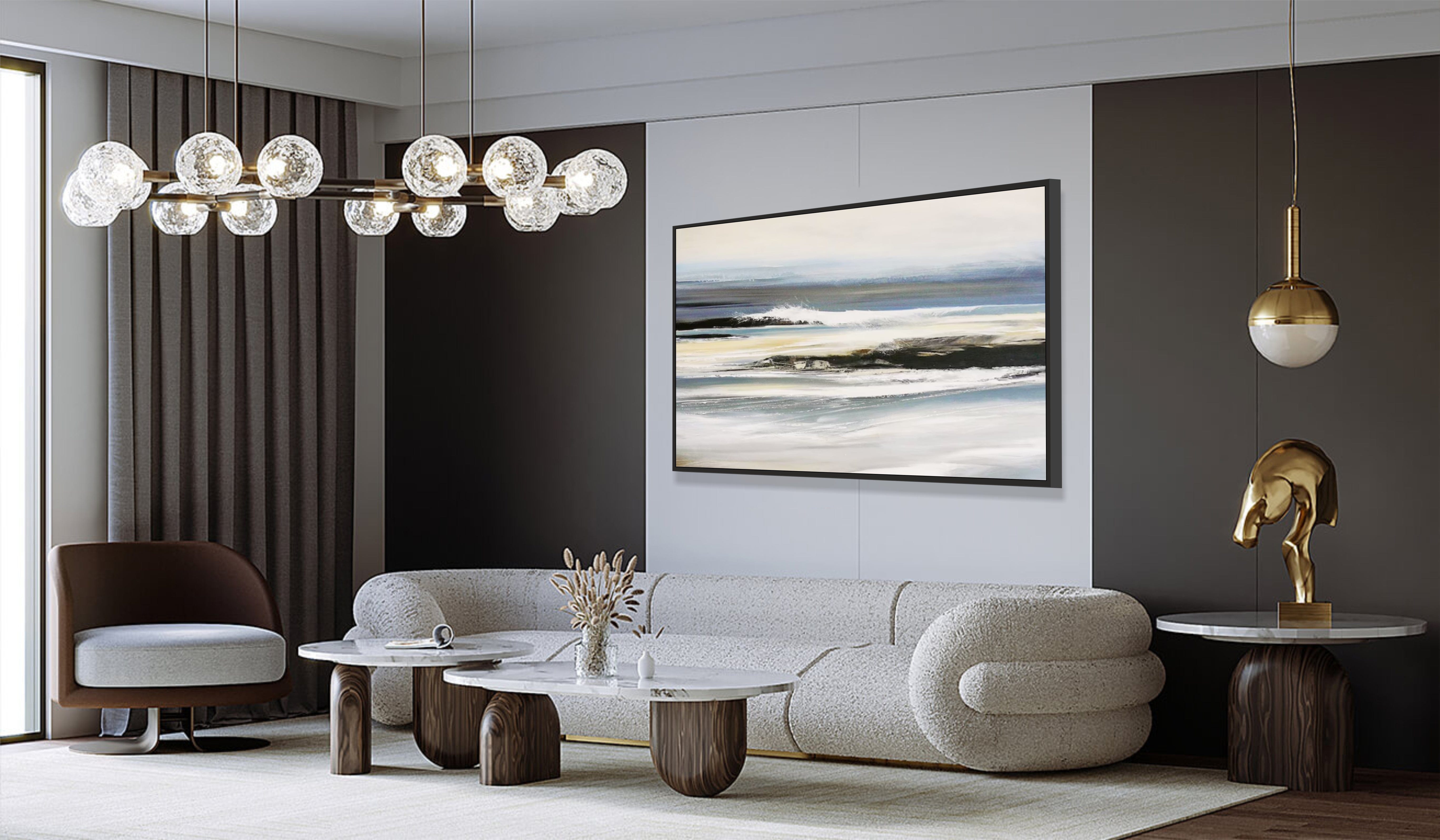
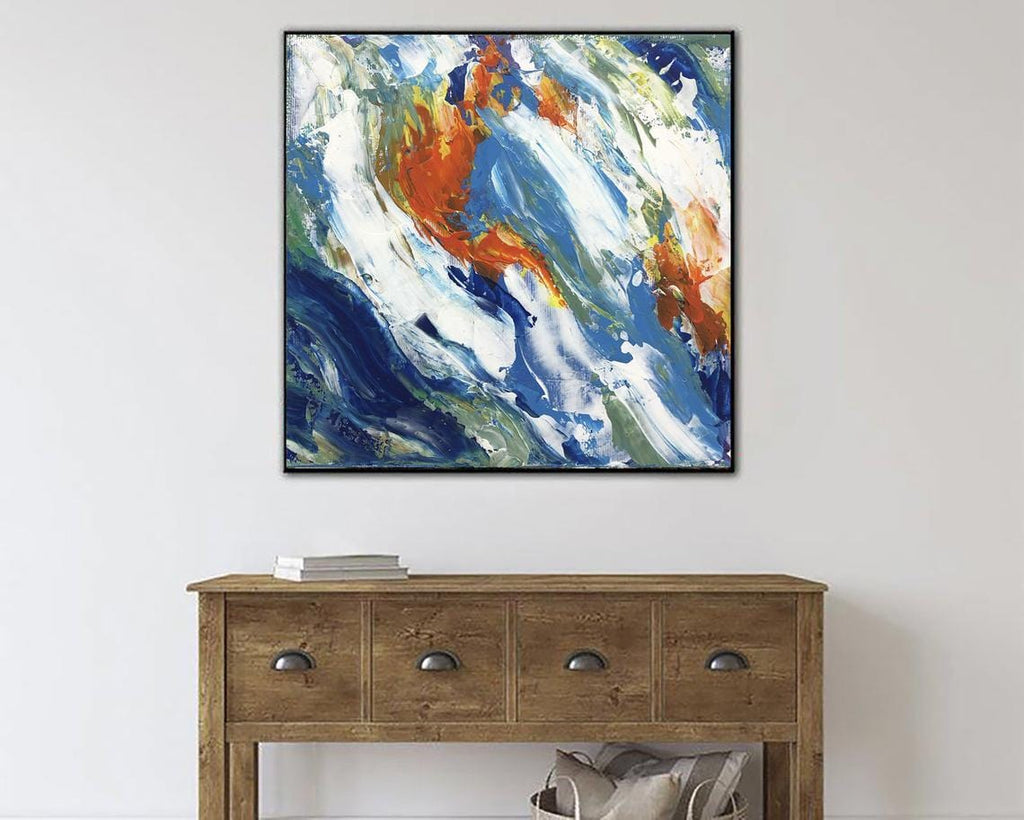
Seascape art captures the mesmerizing beauty and raw power of the ocean, creating an emotional connection with viewers that few other subjects can match. With sweeping waves, serene horizons, and dramatic skies, these paintings evoke a sense of calm, freedom, and awe, resonating deeply with anyone who’s drawn to the sea. For centuries, artists have been captivated by the endless variations of light and color over water, using seascapes to convey everything from tranquility to the untamed force of nature.
Today, seascape paintings are showcased in prestigious galleries and private collections worldwide, admired for both their aesthetic appeal and emotional depth. As demand for these works grows, their value has increased significantly, with iconic seascapes fetching high prices at auction, particularly those by renowned artists like Turner, Monet, and Hokusai.
For art lovers who wish to bring this timeless beauty into their own spaces, we offer a curated selection of custom seascape art. Whether you’re looking for classic interpretations or contemporary styles, our collection captures the ocean’s spirit and beauty, allowing you to enjoy its essence from the comfort of your home!
What Makes Seascape Art So Powerful?
Seascape art, which is a genre that focuses on portraying maritime settings, goes beyond simply showing the sea. It allows us to experience its presence by fusing emotion and reality, giving viewers the impression that they are actually standing on the shore.
Artists have explored the ocean’s allure across centuries, each era breathing new life into seascapes. In the 17th century, seascapes were often rendered with precise realism, celebrating the sea’s grandeur and reflecting the age of exploration and naval power. Dutch artists like Willem van de Velde captured ships in detailed scenes that symbolizes strength and adventure. These realistic seascapes brought the sea’s vastness and the excitement of exploration into the lives of those who, perhaps, had never seen it themselves.
The 19th century saw a major shift, as Romantic artists turned to the sea to explore themes of solitude, nature’s power, and the sublime. Artists like J.M.W. Turner and Winslow Homer introduced motion, intense lighting, and moody skies, portraying the sea as a force of raw emotion. Turner’s dramatic use of light and color conveyed a sense of danger, while Homer’s rugged coastlines and stormy waters reflected isolation and endurance. These seascapes went beyond simple realism, linking the ocean with themes of solitude, freedom, and introspection.
Modern artists such as Helen Frankenthaler and Mark Rothko eschewed physical portrayal in favor of abstract seascapes in the 20th century to convey the force of the ocean. In order to convey the spirit of the sea without using inflexible details, they employed bright color fields and wide, flowing brushstrokes. Inviting viewers to experience the spirit of the ocean, these pieces evolved from being about seeing it to being about feeling it.
#1. Caspar David Friedrich, The Monk by the Sea (1808-1810)

Caspar David Friedrich’s The Monk by the Sea captures the vast, overwhelming power of nature and the insignificance of man within it. Painted between 1808 and 1810, the artwork depicts a lone figure, a monk, standing by the shore and facing an endless expanse of dark, moody sky and turbulent sea. The stark simplicity of the scene, with minimal detail and dramatic contrasts, makes the viewer feel the monk’s solitude and vulnerability. Friedrich used empty space and a limited color palette to convey a sense of infinity, reflecting the Romantic era’s fascination with the sublime, a concept focusing on awe-inspiring beauty and terror in nature.
This painting became influential in portraying the individual’s emotional confrontation with the vastness of the natural world. The Monk by the Sea challenged the norms of landscape painting, shifting focus from a detailed, harmonious depiction of nature to an emotional, almost abstract interpretation of it. Its impact can be seen in the later works of artists who sought to express the spiritual and emotional aspects of nature, cementing Friedrich as a leading figure in Romantic art.