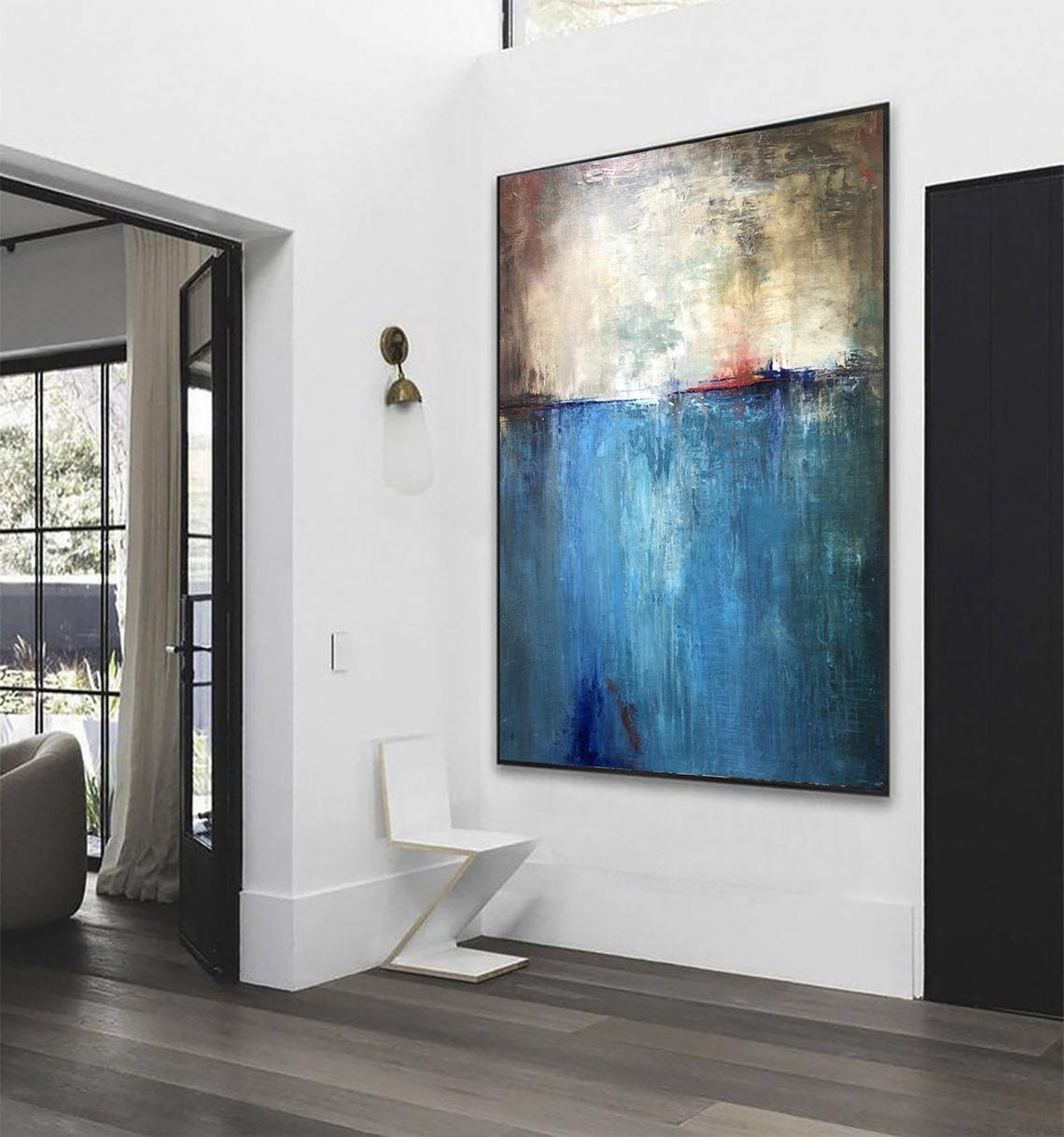
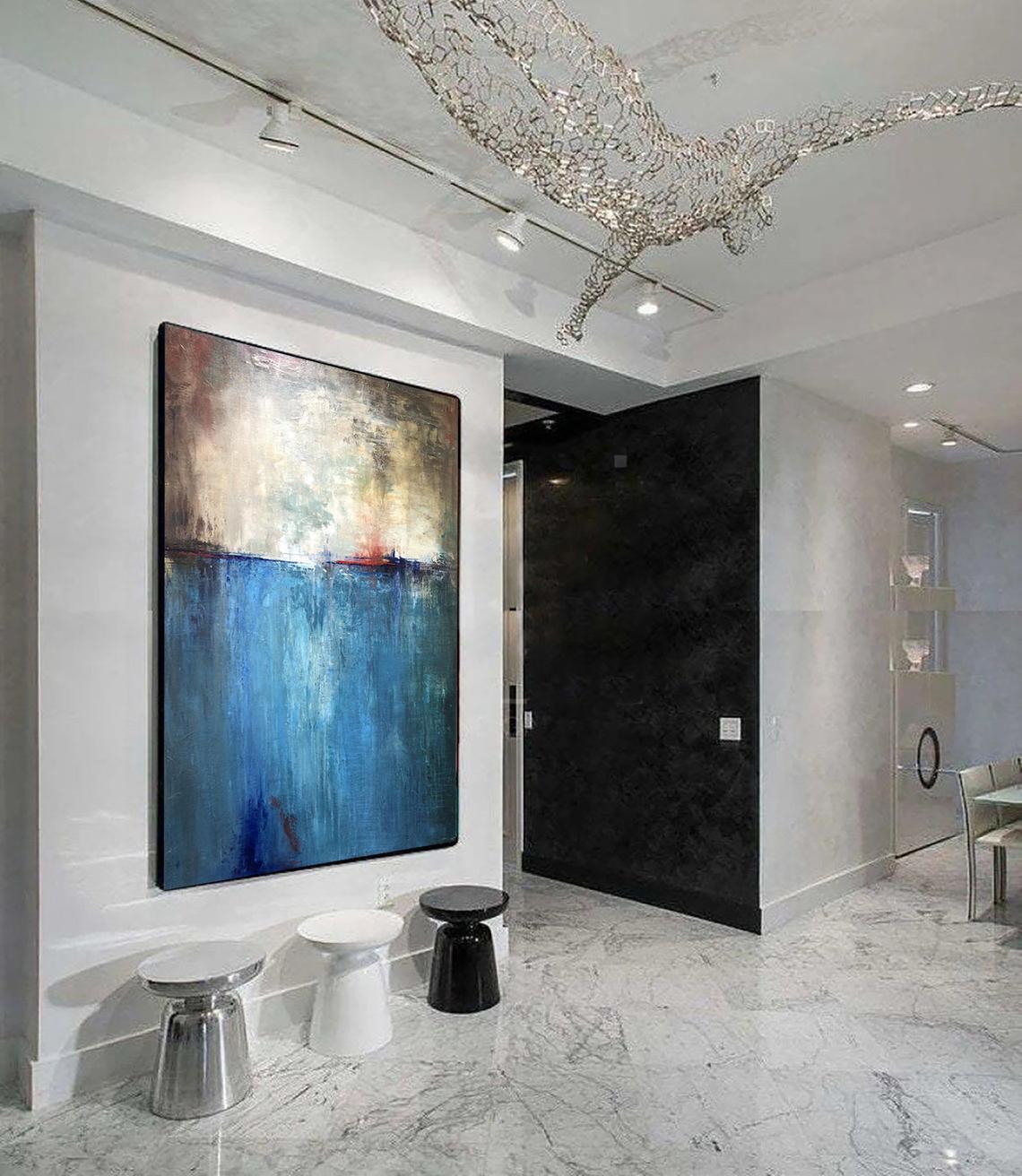
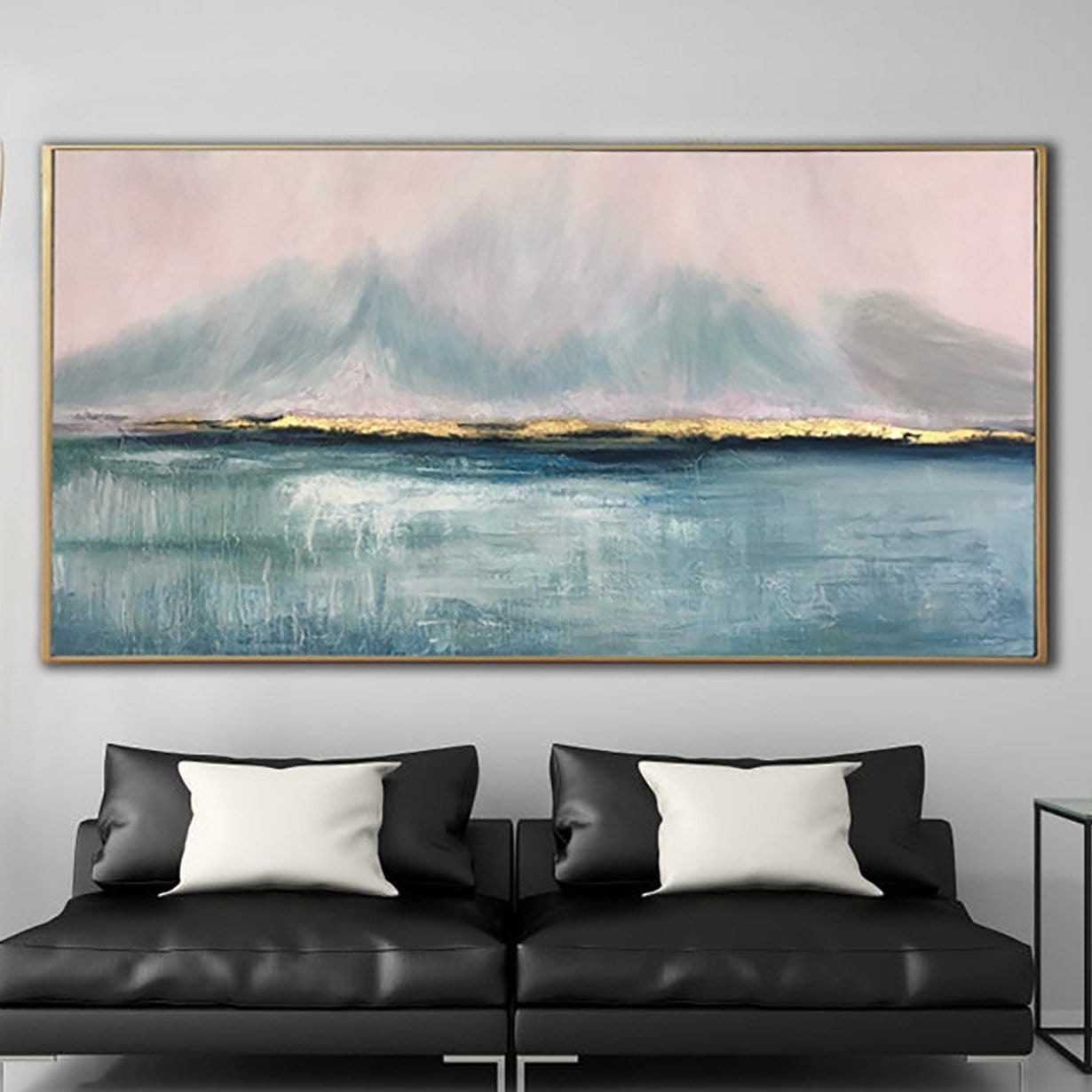
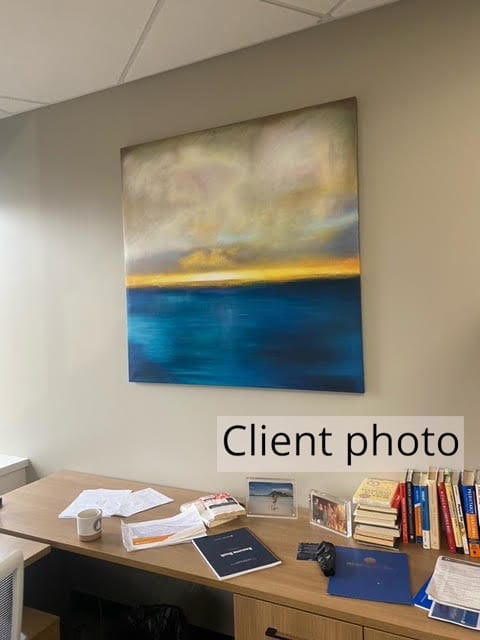
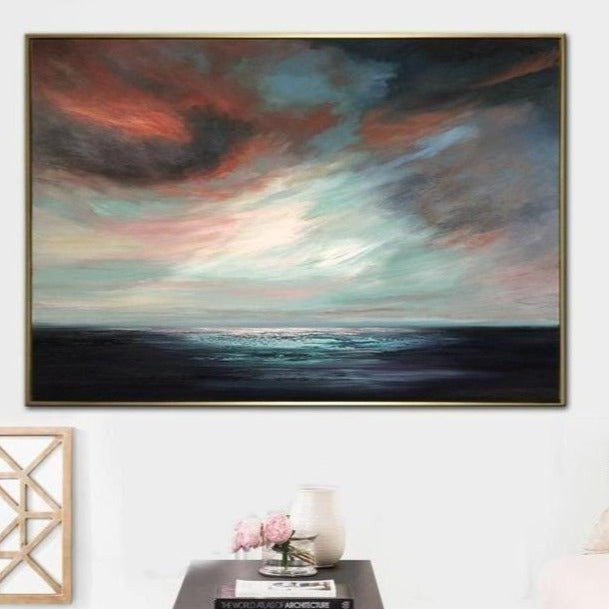
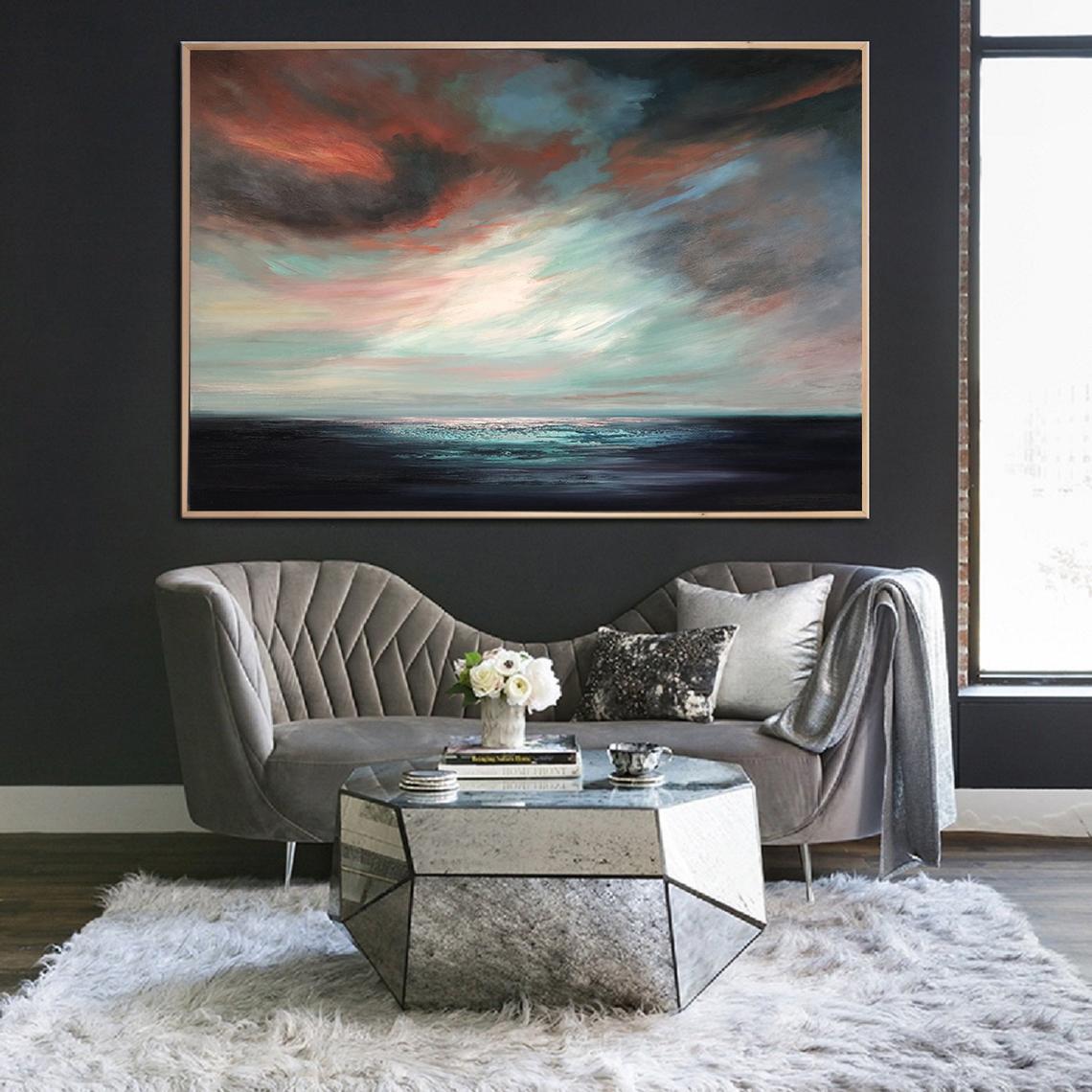
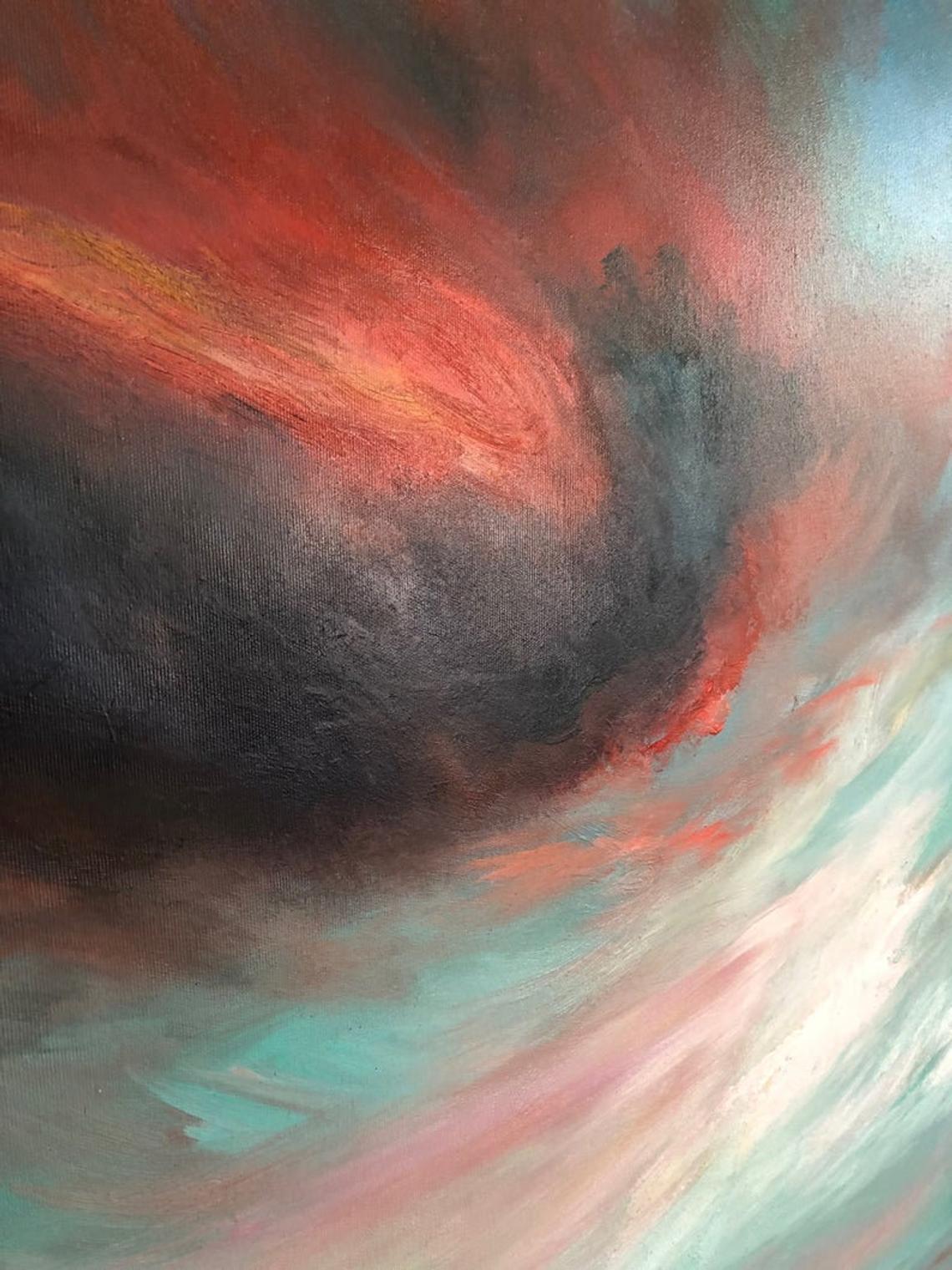
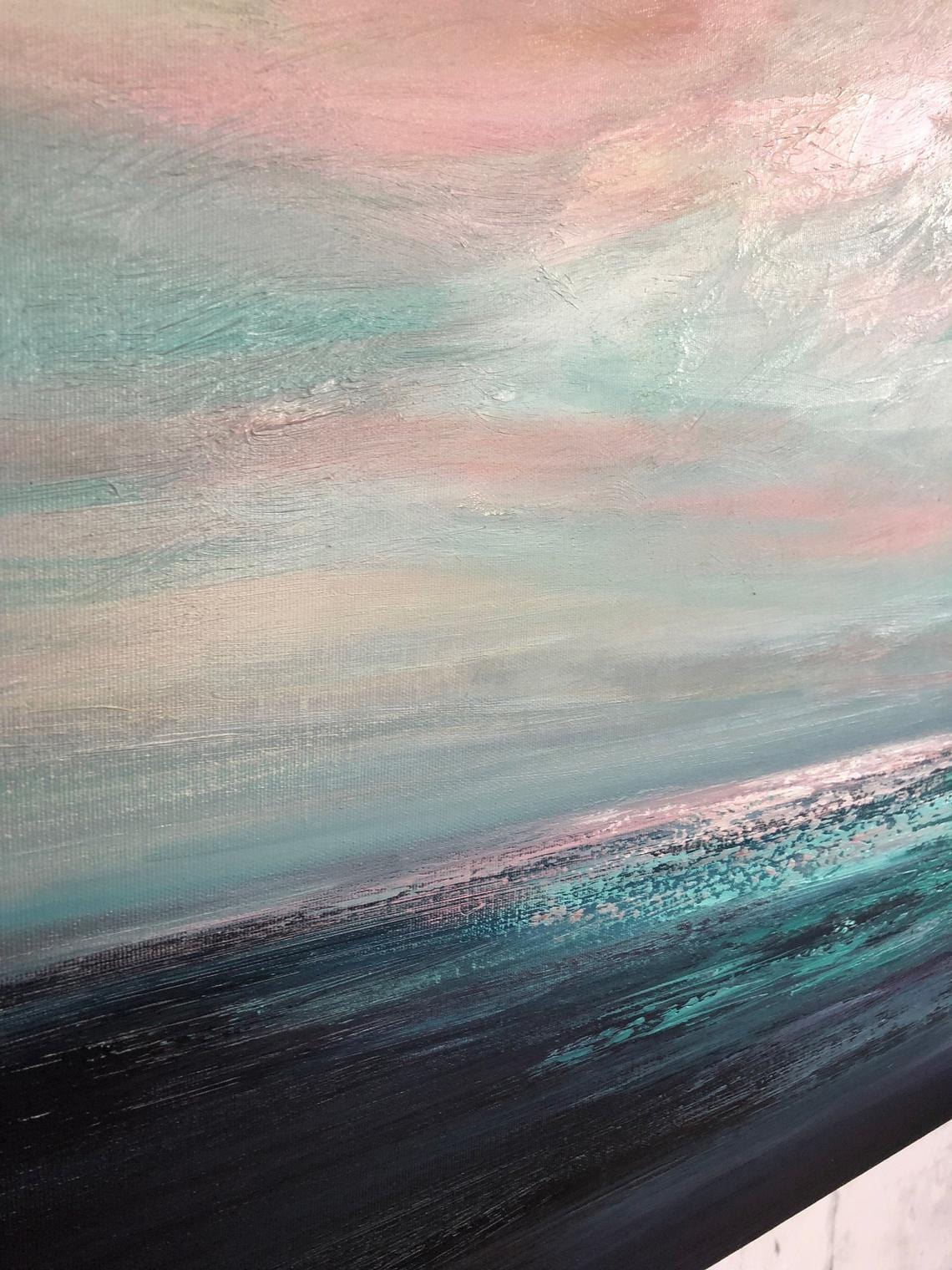
Introduction: Why Blue Moves Us
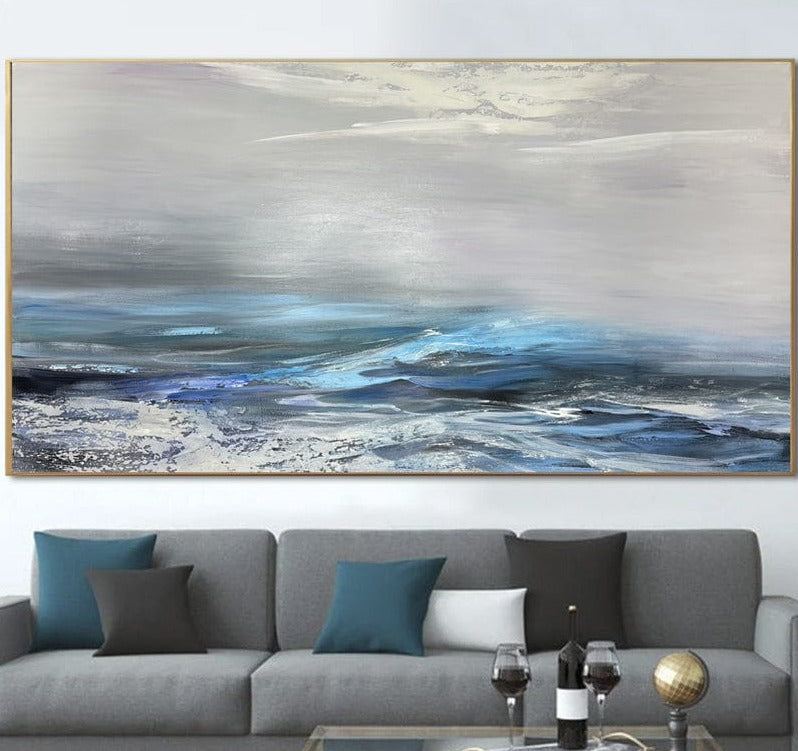
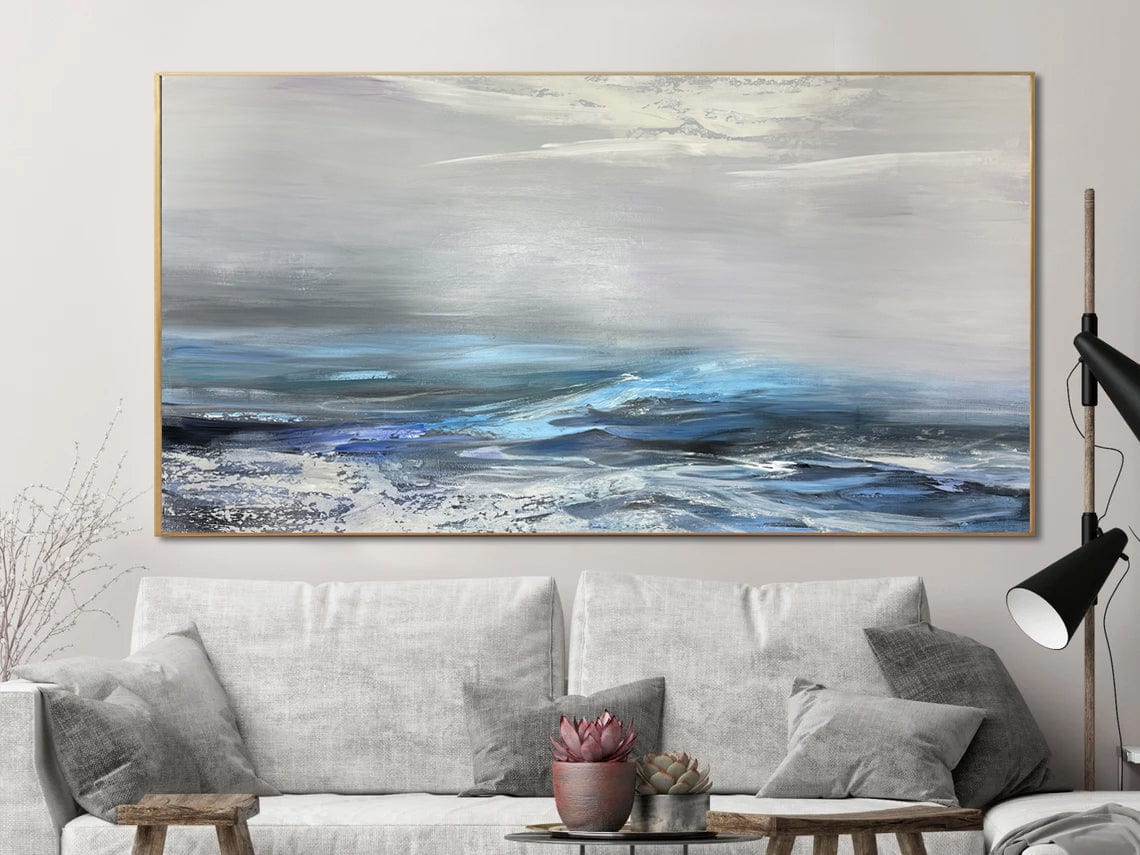
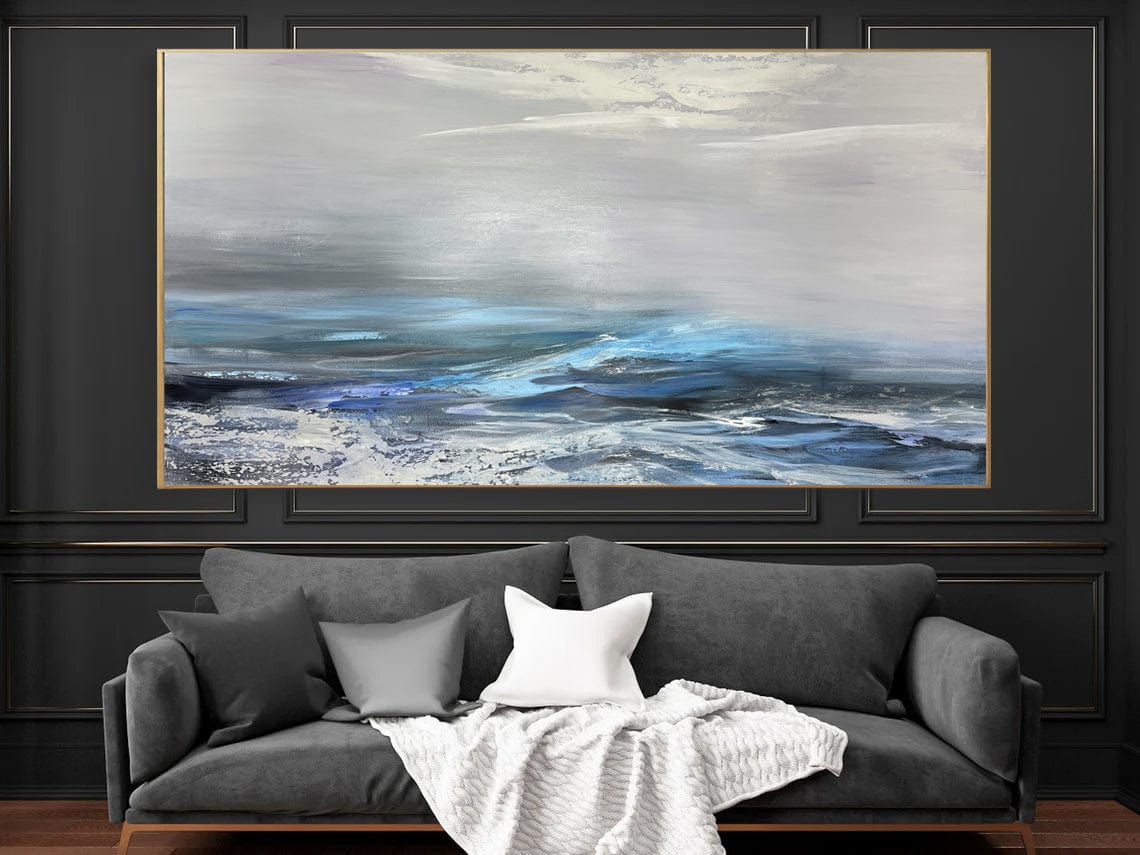
Why do we feel calm by the sea or introspective under a twilight sky? The colour blue is more than just a shade—it is a state of mind, deeply rooted in our emotions, cultures, and artistic heritage. From ancient pigments to modern interiors, the meaning of blue has shaped our vision of the world and our design of interiors.
A Historical Journey of Blue in Art
Ancient Origins
In ancient Egypt, blue was sacred and rare. Lapis lazuli, a deep ultramarine stone, was ground into pigment and used in jewellery, tombs, and murals. This precious blue color symbolised the heavens, eternity, and divine power.
Renaissance & Ultramarine
During the Renaissance, blue became the most expensive pigment. Derived from lapis lazuli imported from Afghanistan, ultramarine was often reserved for the Virgin Mary’s robes in Christian art. This gave the colour blue associations of purity, nobility, and spiritual significance.
Romanticism & Modernism
Later, Romantic painters used blue to capture vast skies and melancholic moods, while Modernists such as Kandinsky and Mondrian employed blue to symbolise abstraction, balance, and inner truth.
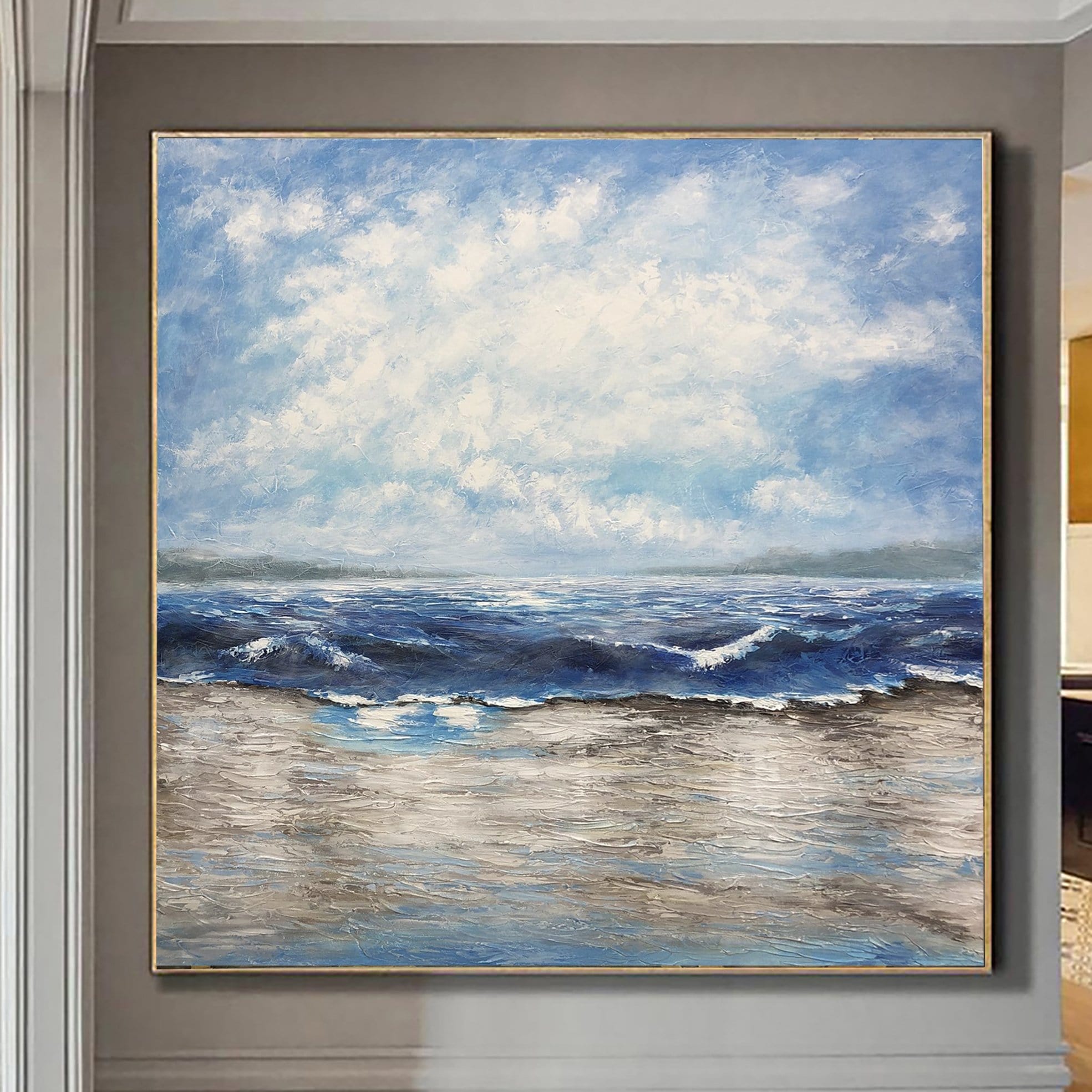
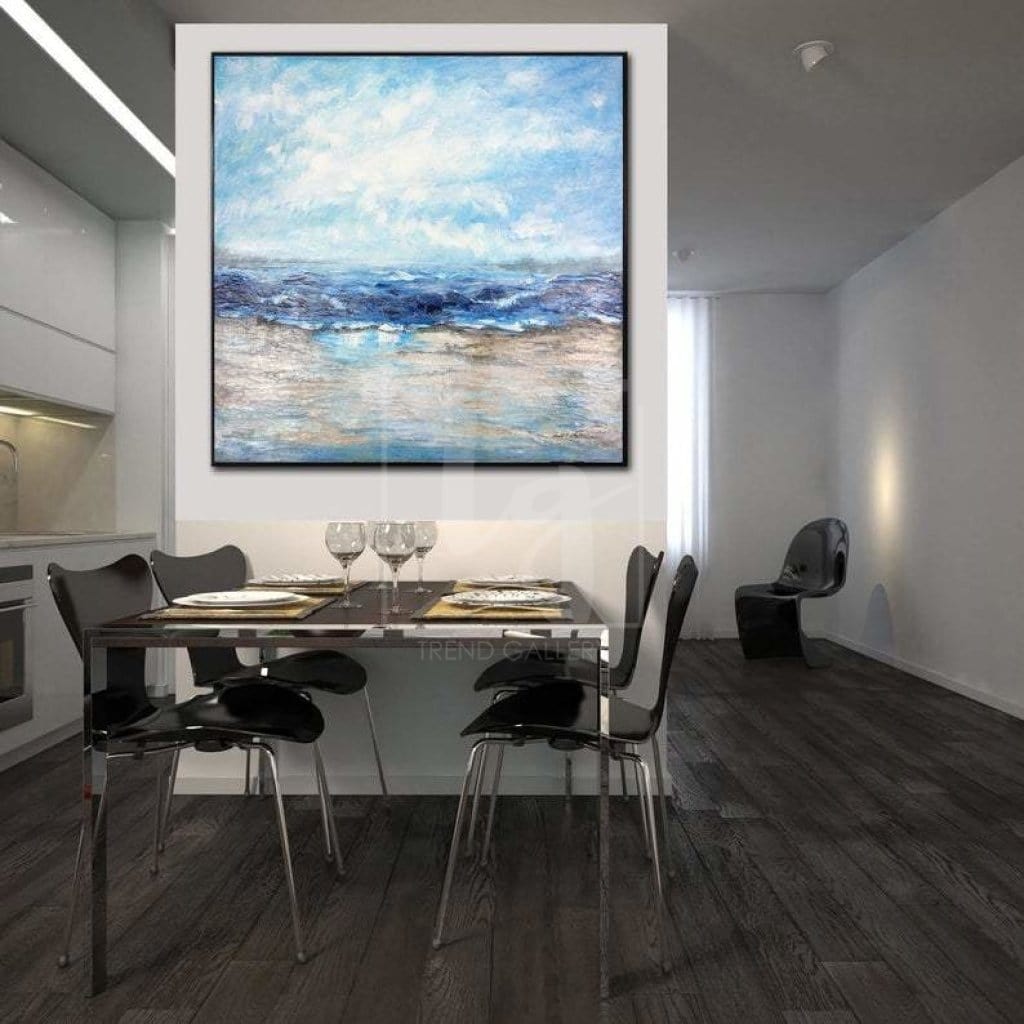
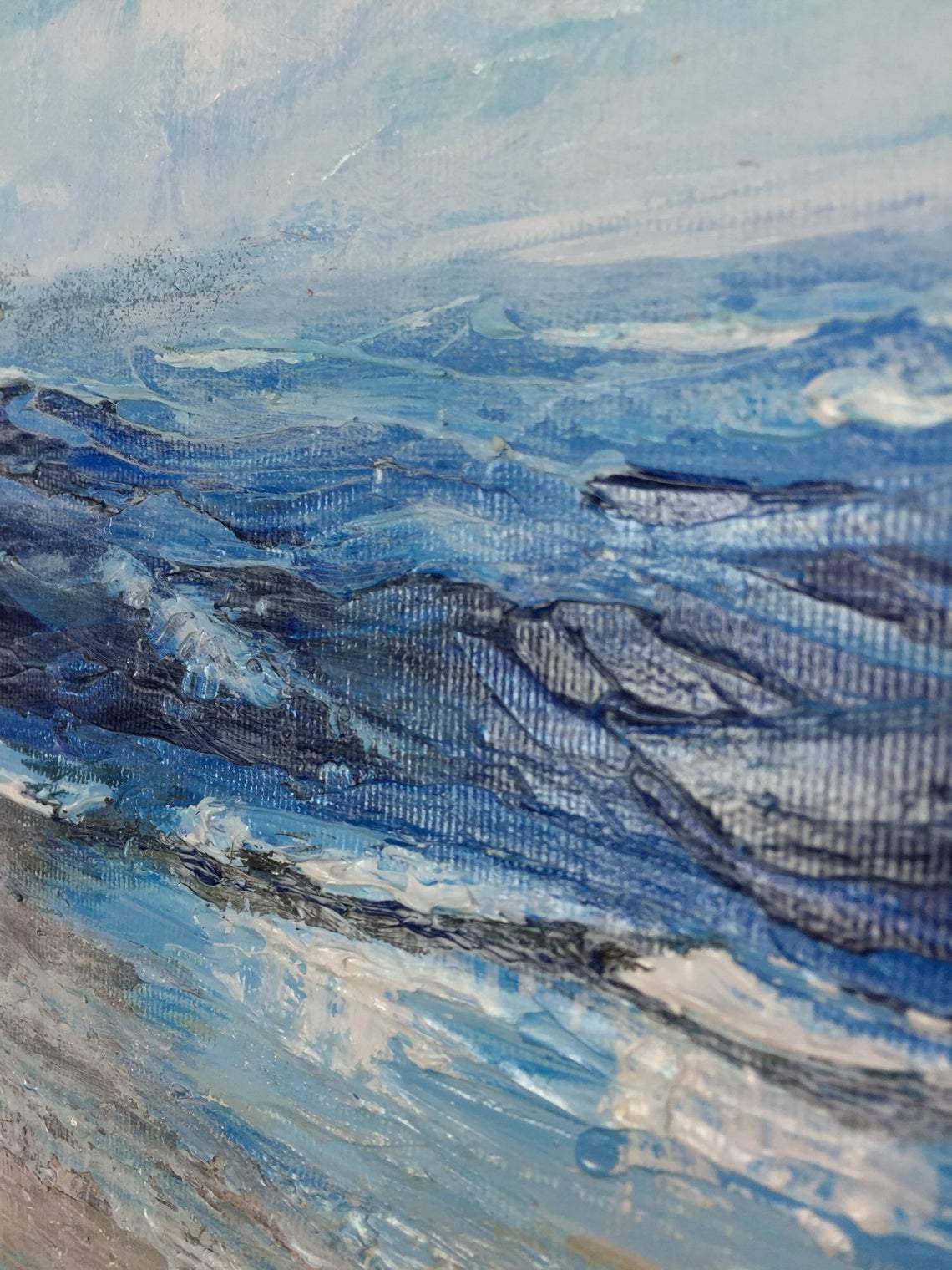
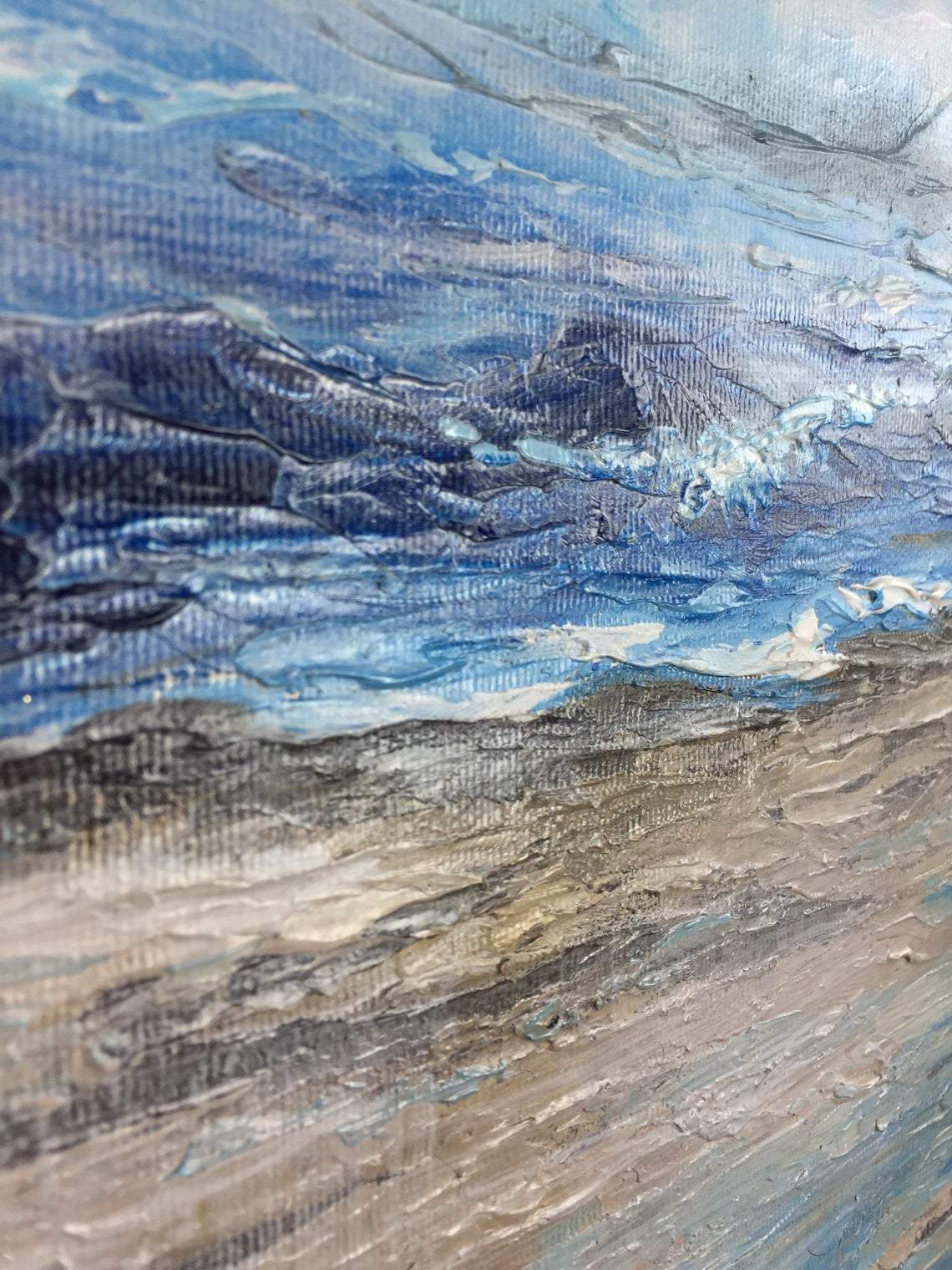
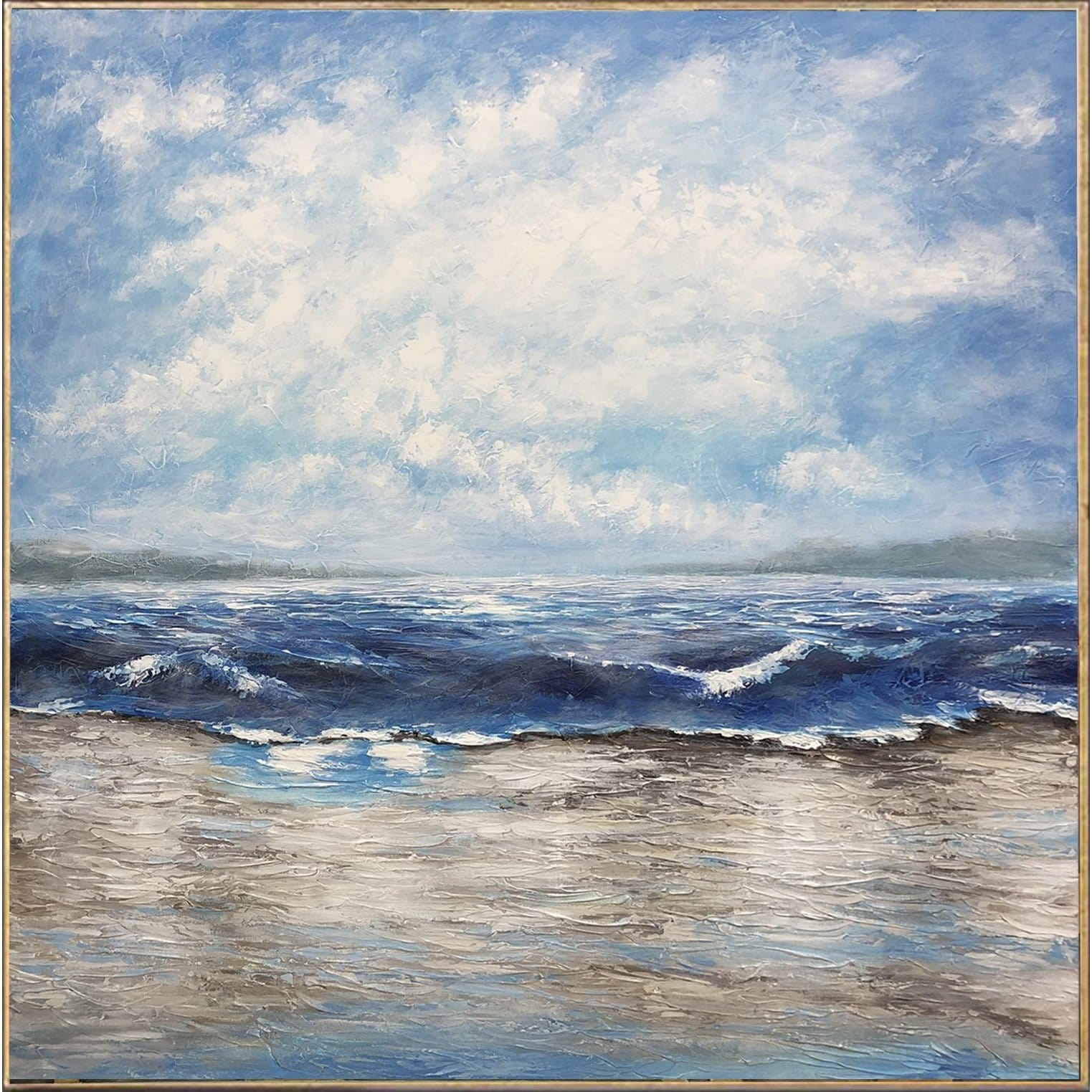
Psychological and Symbolic Meaning of Blue
What is the meaning of the colour blue in psychology? Blue is widely recognised as calming, peaceful, and secure. It lowers stress, encourages clarity, and creates feelings of trust. However, it also has melancholic undertones—light blue can feel uplifting, while dark blue may evoke sadness or aloofness.
Light Blue: associated with serenity, healing, and openness
Dark Blue: linked with authority, depth, and introspection
This dual nature explains why the meaning of blue in art and design can shift dramatically depending on the shade.