What is the best way to take up painting as a hobby?

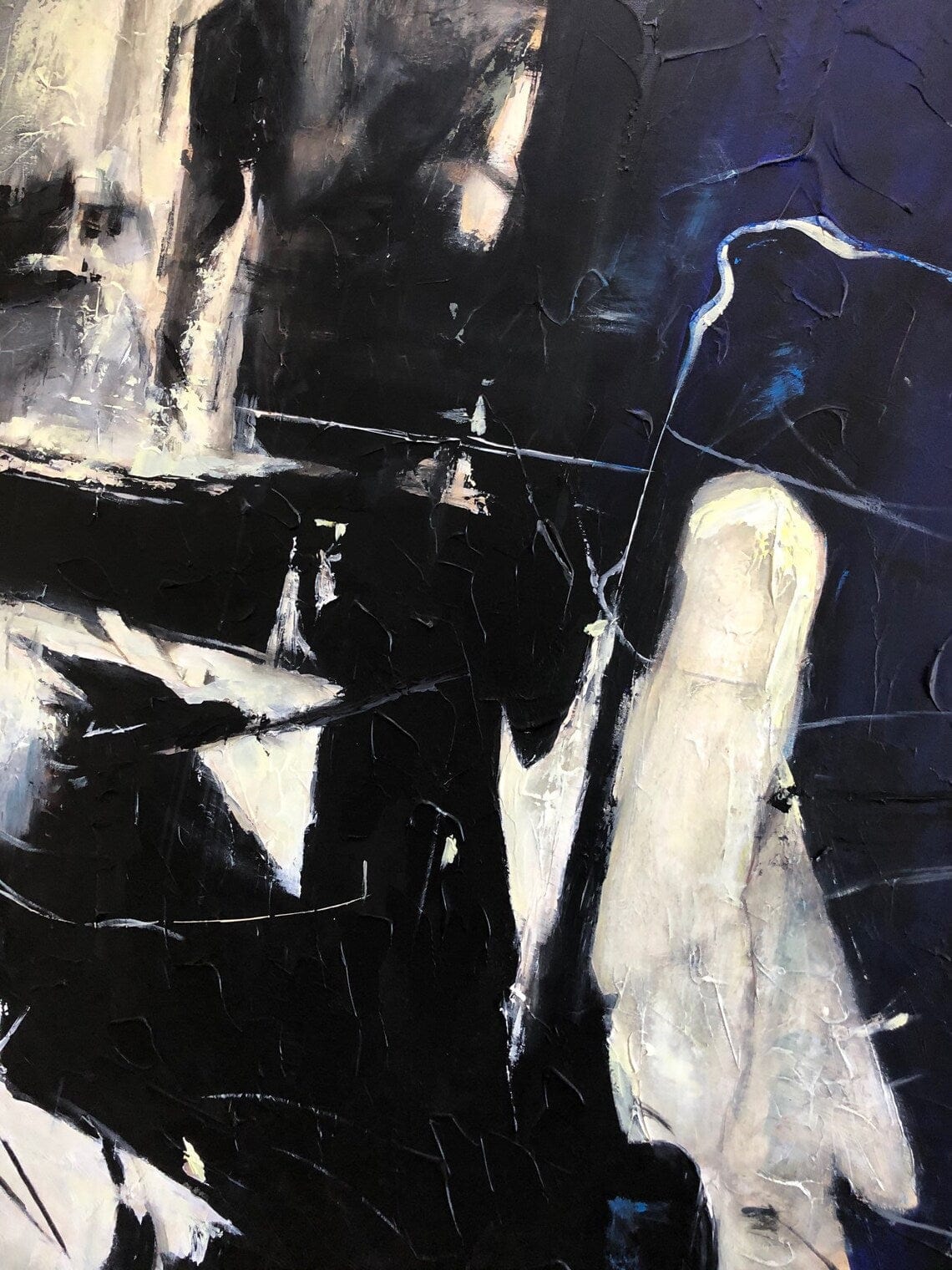
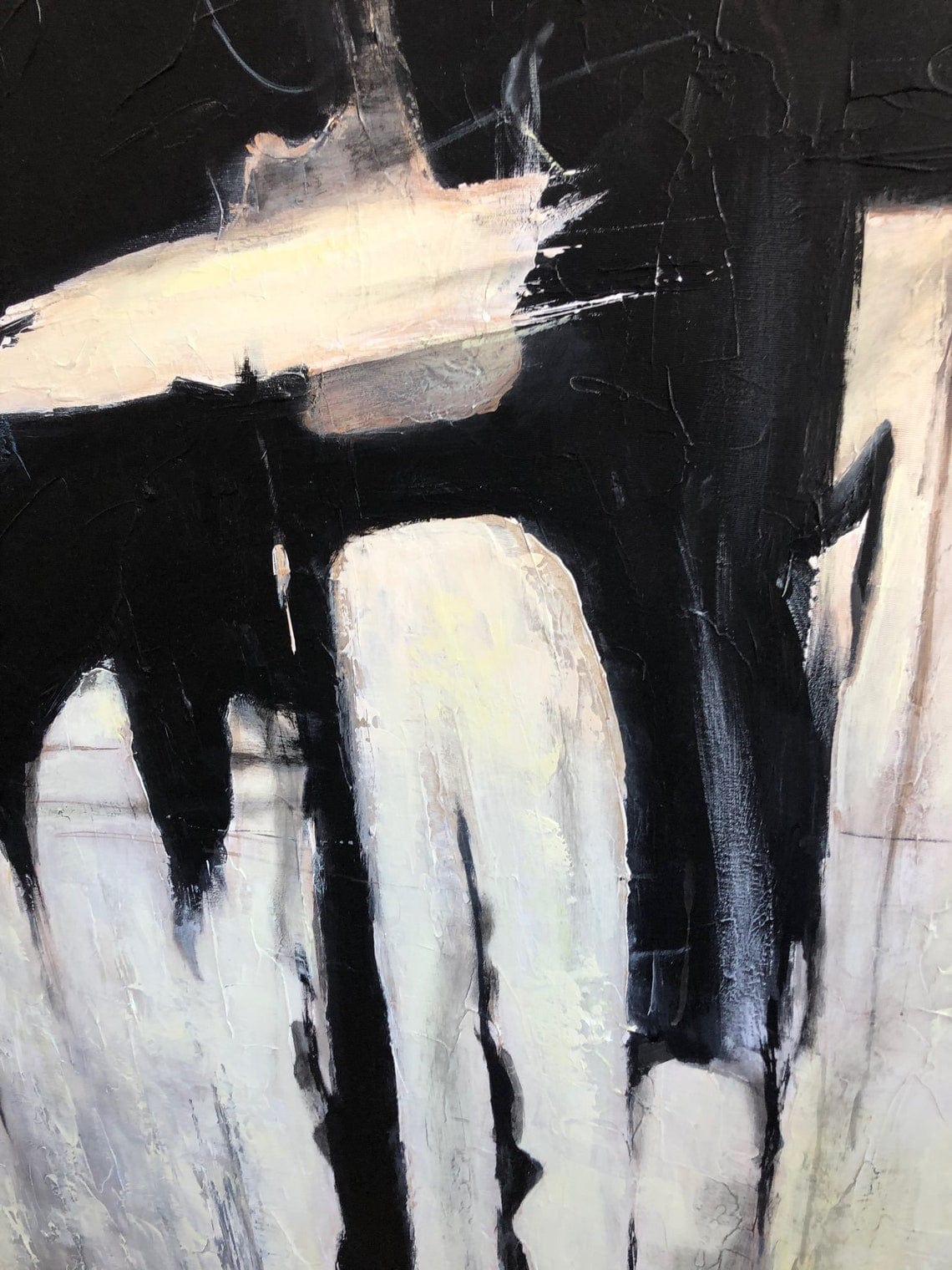
GEISHA

Introduction: Adding a Splash of Color to Your Life

Have you ever felt that life needs a splash of color?
Taking up painting as a hobby can unlock a world of creativity, relaxation, and self-expression. Whether you are looking for stress relief after a long workday, a mindful weekend activity, or a new creative challenge, painting offers endless possibilities.

You do not need to be “born with talent” to start. You just need curiosity, a willingness to experiment, and a little bit of guidance—which is exactly what this guide is going to give you.

Taking up painting/drawing as hobbies is one way to unleash the Picasso, the Da Vinci or the Rembrandt in you. Apart from discovering your talent, painting and drawing are a wonderful way to relax. By enrolling in an art course you will be amazed at how rapidly you can polish your talent with a teacher’s guidance.

You would be surprised to know that each one of us is blessed with some degree of artistic talent. Some world-famous people who were also great artists were Winston Churchill, Football star David James, singer Tony Bennet, actors Anthony Quinn and Dennis Hopper are all recognized for their painting talents.

Why Painting as a Hobby Is Beneficial

Painting has been cherished for centuries not just as an art form, but as a way to improve mental well-being. Here is why so many adults pick up a brush:

1. Stress Relief & Relaxation

Painting engages your senses, helping you focus on the present moment. This form of mindfulness can:

  • reduce anxiety levels

  • lower blood pressure

  • create a calming mental state

“When I paint, I forget about everything else. It’s just me, the canvas, and the colors,” says hobbyist painter Laura M., who started during lockdown.

2. Encourages Creativity

Painting encourages you to think differently, explore new ideas, and combine colors and shapes in unique ways.

3. Improves Focus & Patience

Working on a piece from start to finish teaches you persistence and attention to detail—skills that can be transferred into other areas of life.
1/2

Getting Started with Painting

If you wonder “I want to start painting as a hobby, but I have no experience”, the process is easier than you think.

Essential Materials for Beginners

Here is a simple checklist to get you started:

  • Paints – Acrylic (versatile and fast-drying), watercolor (soft and blendable), or gouache (opaque yet flexible).

  • Brushes – A starter set with flat, round, and detail brushes.

  • Canvas or Paper – Canvas boards for acrylic/gouache; watercolor paper for watercolor.

  • Palette – For mixing colors.

  • Water jar & cloth – For cleaning brushes.

  • Easel (optional) – Makes painting more comfortable.

Choosing the Right Medium

Medium

Pros for Beginners

Cons to Consider

Acrylic

Dries quickly, easy to layer, affordable

Dries fast—hard to blend slowly

Watercolor

Light, portable, great for soft effects

Less forgiving—mistakes are harder to fix

Gouache

Vibrant, opaque, reworkable with water

Can crack if applied too thick

Tips for Absolute Beginners

  • Start Small – A mini canvas or postcard-sized paper feels less intimidating.

  • Practice Basic Techniques – Try blending, layering, and simple brush strokes before full scenes.

Find Inspiration – Use nature walks, favorite photos, or artworks from galleries as reference.
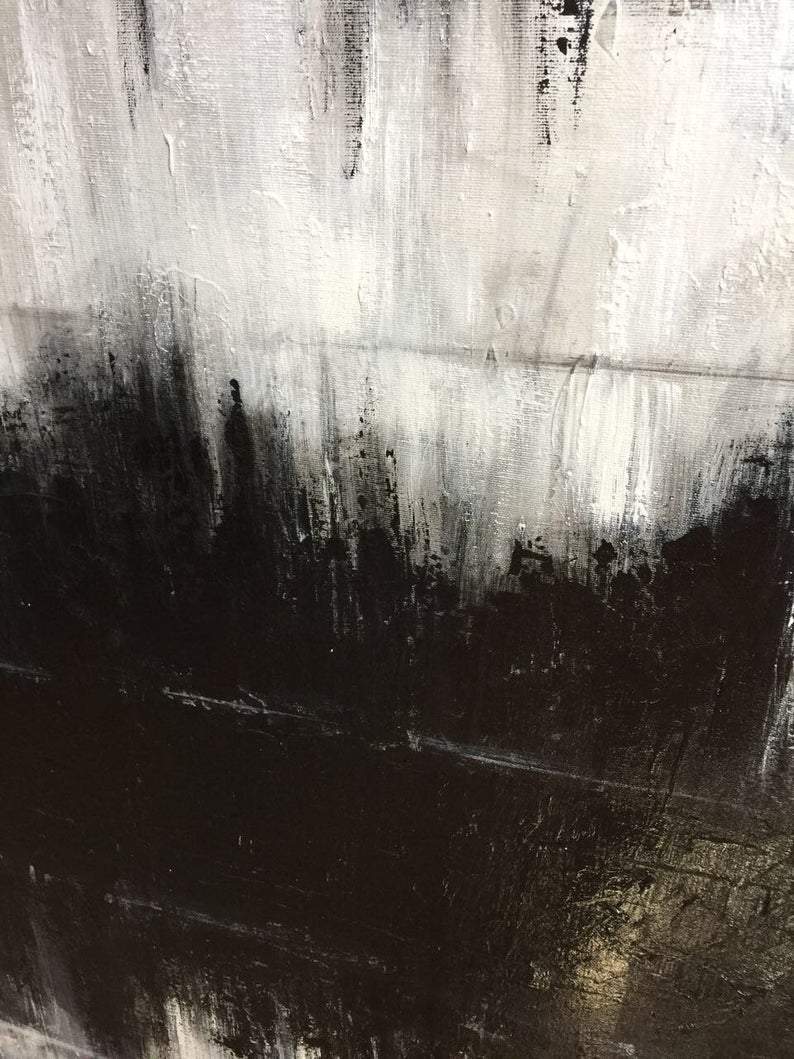
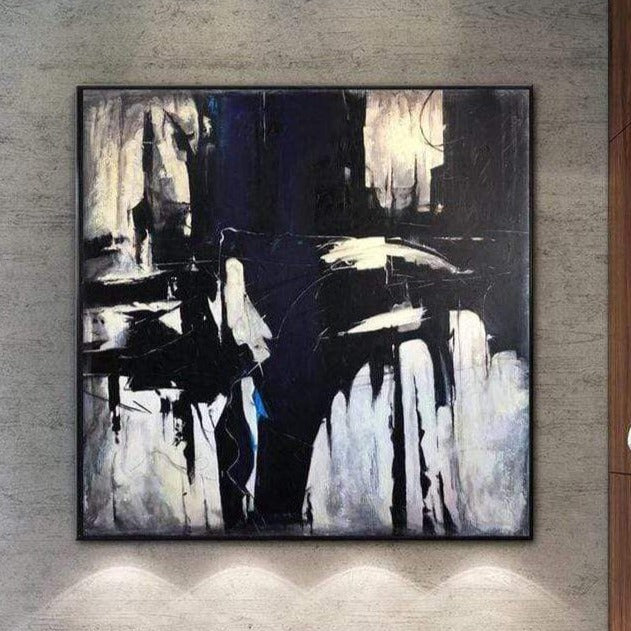
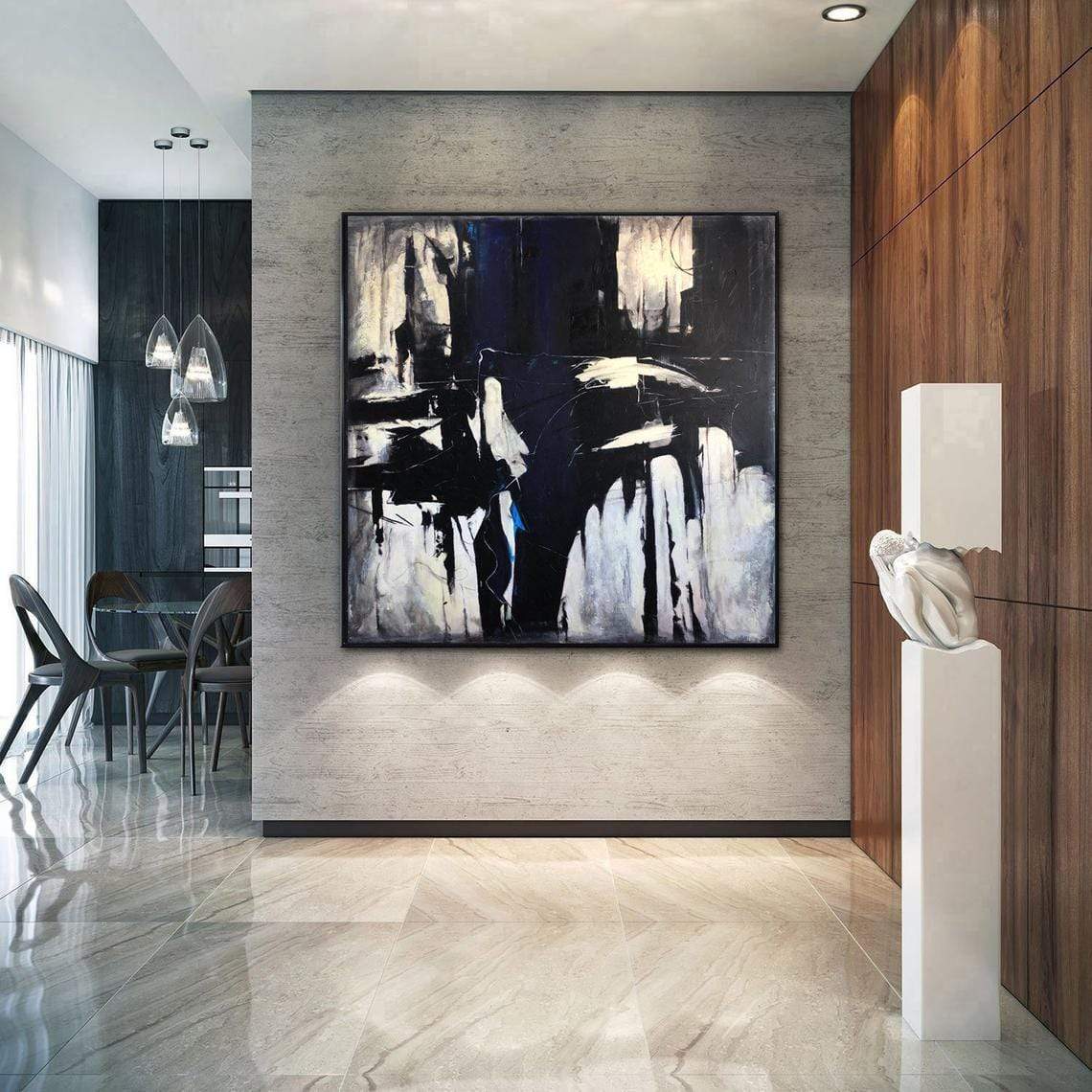
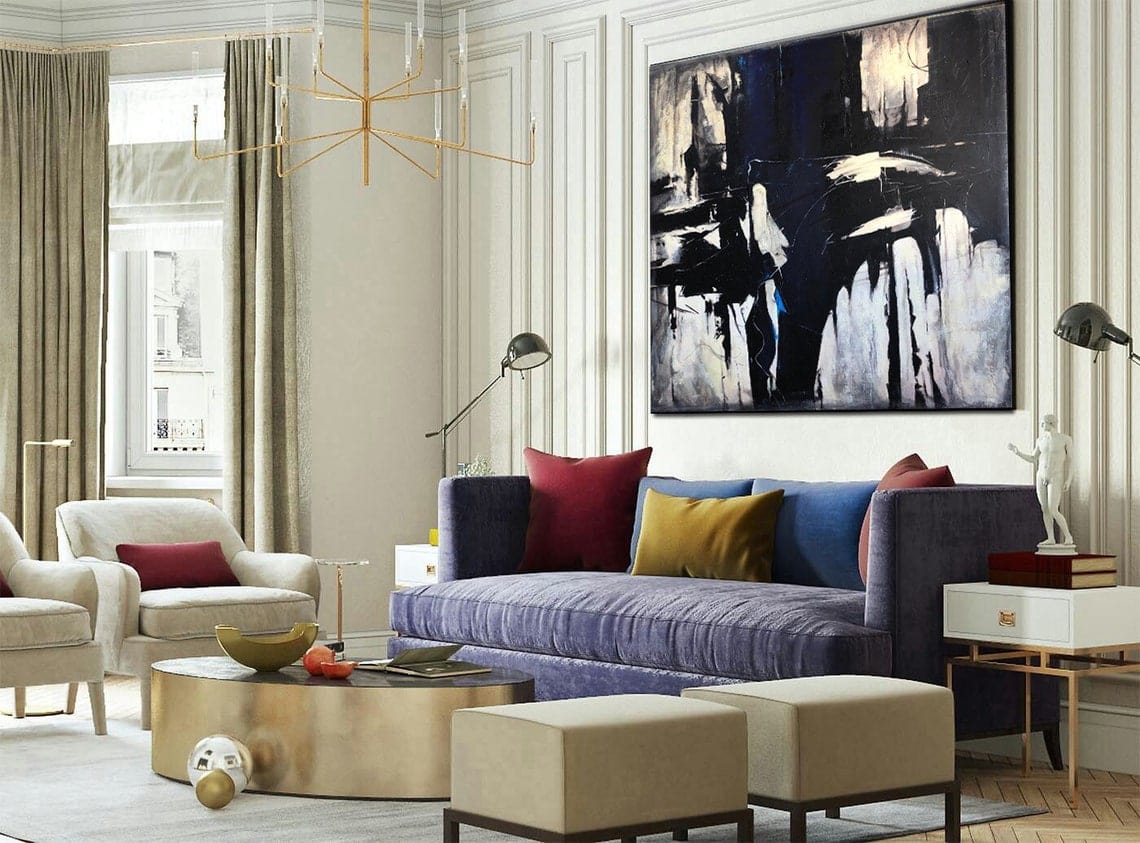
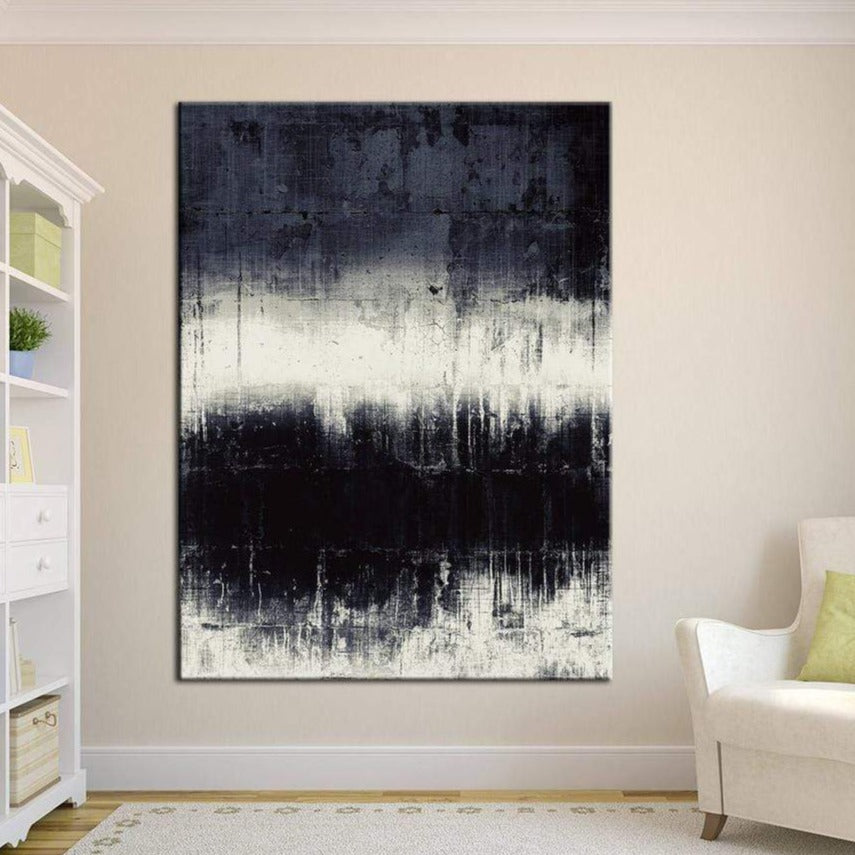
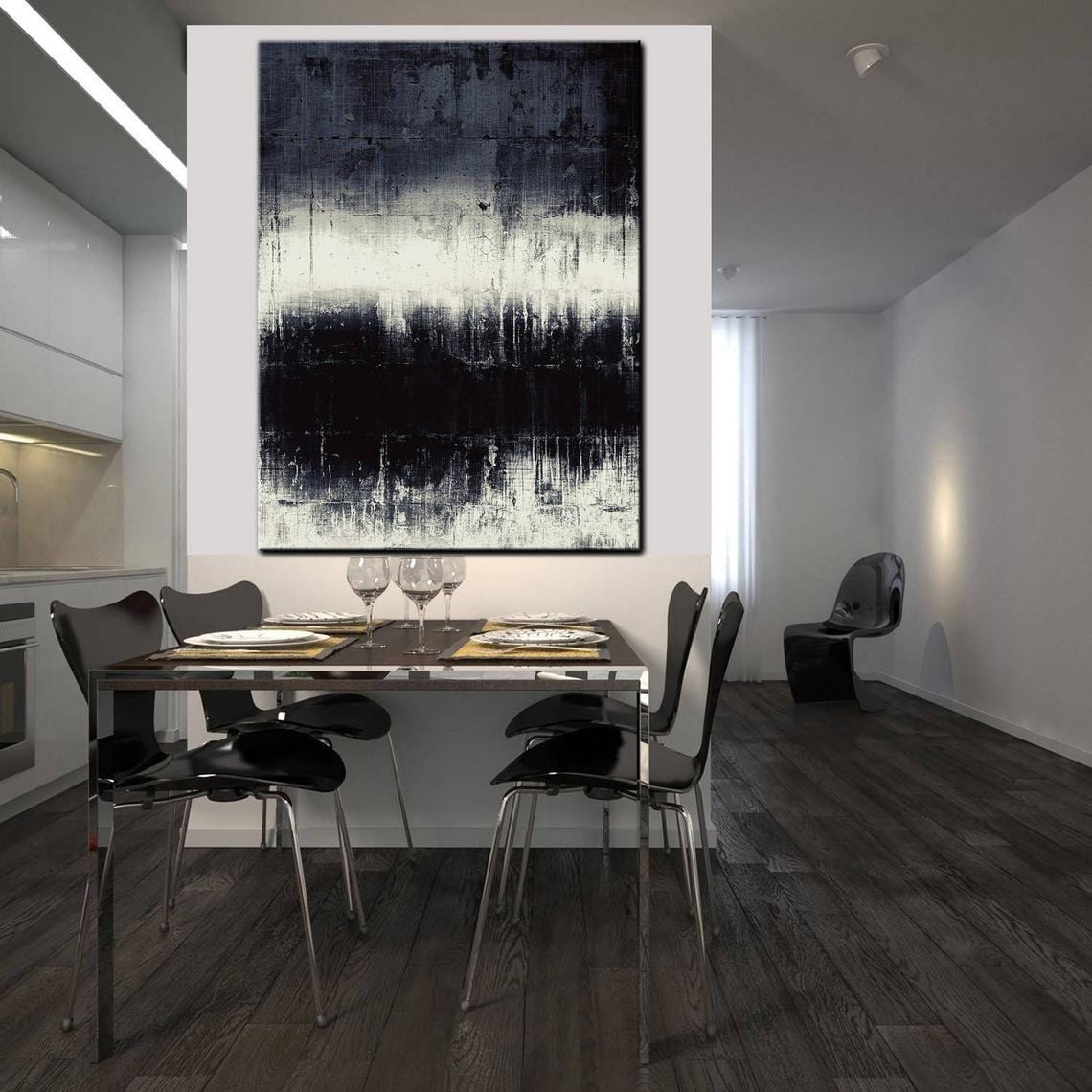
ELEVATED CITY from $304.57
ELEVATED CITY from $304.57+
ELEVATED CITY from $304.57
size up to 114"x114"
ELEVATED CITY from $304.57
frame option
ELEVATED CITY from $304.57
free worldwide shipping
1/2

Exploring Styles and Techniques

Part of fun is experimenting. You do not have to “choose your style” immediately—most artists discover theirs over time.

  • Abstract – Focus on colors and shapes rather than realism.

  • Landscapes – Capture outdoor scenes, from mountains to city skylines.

  • Still Life – Practice composition with objects around you.

  • Portraits – Challenge yourself with expressions and details.

Tip: Try a “style week” where you dedicate each week to a different type—this can help you learn faster.

Practical Tips for Hobby Painters

Setting Up Your Space

You do not need a full studio—just a dedicated corner with good lighting and storage for supplies.

Making Time for Creativity

  • Schedule a “painting hour” once or twice a week.

  • Treat it like an important appointment with yourself.

Learning with Support

Consider:

  • Local community art classes

  • Online tutorials on YouTube or Skillshare

  • Social media art challenges


CONTENTMENT from $315.78
What is the best way to take up painting as a hobby? slider2-image-1
CONTENTMENT from $315.78+
What is the best way to take up painting as a hobby? slider2-image-2
size up to 114"x87"
What is the best way to take up painting as a hobby? slider2-image-3
frame option
What is the best way to take up painting as a hobby? slider2-image-4
free worldwide shipping
1/2

Advanced Steps for Hobbyists

Once you have gained confidence, you might want to expand your painting hobby into a new territory.

Selling Art as a Hobby

Yes, you can sell your work—even if you started just for fun.
 Tips:

  • Use Etsy or Instagram to show your art.

  • Offer small, affordable pieces for first-time buyers.

  • Join local craft fairs.

Trying Digital Painting

Digital tools such as Procreate or Adobe Fresco allow painting anywhere without physical materials—perfect for experimenting.

How TrendGallery Can Inspire Your Painting Journey

Sometimes, the best way to grow as a painter is to surround yourself with inspiring art. That is where TrendGallery comes in.

TrendGallery creates professional, hand-painted artworks in styles ranging from abstract to contemporary landscapes.
 These pieces can:

  • serve as visual inspiration for your own creations

  • complement your home décor as you develop your style

  • help you understand a professional-level composition, color harmony, and texture

Example Pieces:

  • "Riot of Colors" – A vibrant abstract full of energy and movement ($346)

  • "Elevated City" – A dynamic cityscape blending structure and atmosphere ($304.57)

By studying how professional artists layer paint, balance composition, and choose colors, you can pick up techniques to try in your own hobby practice.

Conclusion: Your First Brushstroke Is the Most Important

Starting a painting hobby is less about perfection and more about enjoying the process. Every brushstroke—whether a success or a “happy accident”—brings you closer to finding your own creative voice.

So, gather your materials, set aside some time, and just start. Who knows? Your first canvas might be the beginning of a lifelong passion.

HOW TO MATCH A PAINTING TO YOUR SPACE

How do I start painting as a hobby if I have no prior experience?
Begin with basic materials, choose a beginner-friendly medium such as acrylics, and set aside a regular time to practice.
What materials do I need to begin painting as a hobby?
Acrylic or watercolor paints, a few brushes, canvas or paper, and basic mixing tools.
What are the benefits of painting as a hobby for stress relief and relaxation?
Painting can reduce anxiety, promote mindfulness, and give a sense of accomplishment.
Can I sell my paintings if I start painting as a hobby?
Yes—many hobbyists sell on Etsy, at local markets, or via social media.
How can TrendGallery’s professional art inspire my journey as a hobbyist painter?
TrendGallery’s custom and ready-made artworks offer style examples and color combinations you can learn from while decorating your space.