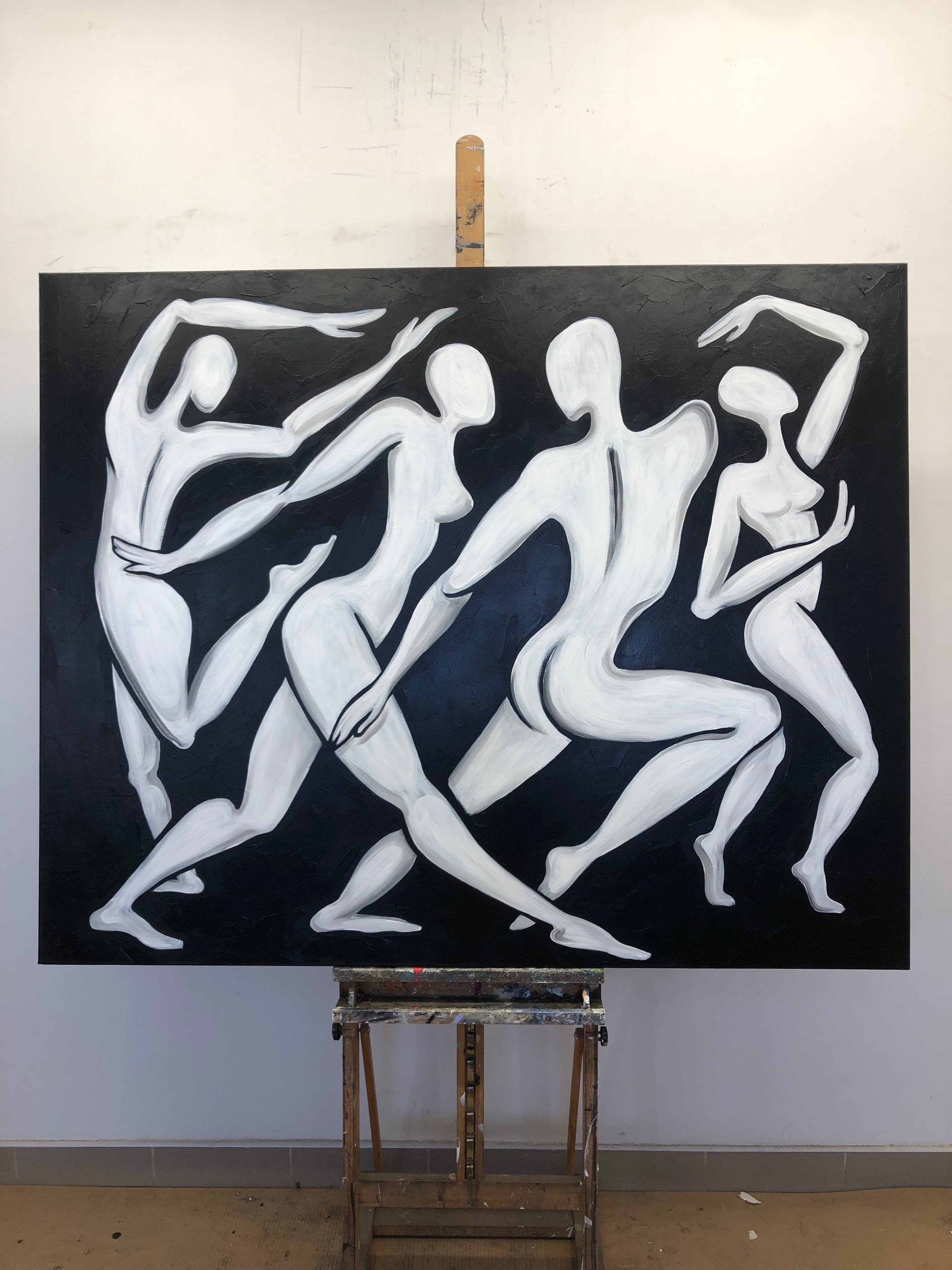
Undoubtedly one of the most renowned names in modern art, Henri Matisse was born in Le Cateau-Cambrésis, France, in 1869. Throughout his more than 50-year career, he consistently pushed the limits of artistic expression. Known for his innovative use of color and shape, Matisse, a French representative on the international scene, was a major influence on the development of 20th-century art. By altering our perception of realism and abstraction, his work paved the ground for later artistic styles.
A master of expression, Matisse’s bold and revolutionary approach to painting set him apart from his contemporaries. His ability to capture emotion through vibrant, often non-naturalistic colors and simplified shapes broke away from traditional norms, paving the way for future artistic movements. Matisse’s works, including some of the most iconic Matisse paintings, are characterized by their radiant hues, dynamic compositions, and a unique blend of abstraction and realism, which challenged conventional ideas of what art could be.
Leading the charge in the early 20th-century art style known as Fauvism, which Matisse founded and was defined by vibrant colors, powerful forms, and an emphasis on emotional expression over reality, Matisse shunned muted tones in favor of intense, expressive palettes that generated feelings of happiness and tranquility. In an effort to capture his subjects' essence beyond mere realism, he conducted a deeply psychological study of color that went beyond mere ornamentation.
The Matisse painting technique changed over time, becoming more abstract and emphasizing color and shape harmony above subject matter. Many artists have been motivated to push limits and find new methods to depict the world around them by Matisse's significant effect on modern art. His work was not stopped until 1954, and he left a lasting legacy that is still in use today.
Masterpieces in Motion: A Closer Look at 10 Iconic Henri Matisse Artworks
Each painting by Henri Matisse continually redefined modern art, balancing between figuration and abstraction (see our artworks in Realism Abstract Paintings). He provides a distinct window into his artistic development. His work is a celebration of color, emotion, and shape. From his early Fauvist creations to his latter abstract pieces, Matisse's style changed continuously while keeping his unmistakable emphasis on rich color and emotional nuance. A thorough examination of ten of his most well-known paintings, each of which is proof of his brilliance, is provided here!
1. Luxe, Calme et Volupté (1904)

Luxe, Calme et Volupté, 1904 by Henri Matisse
With Luxe, Calme et Volupté, Matisse makes a daring debut in the Fauvist movement. Capturing a tranquil beach scene with vivid, artificial hues that defy reality, this painting was done during a summer in Saint-Tropez. With its dreamy ambiance and gentle, flowing lines, Matisse's concern with expressing emotional states through color is clearly visible. Borrowed from a poem by Baudelaire, the title echoes the qualities that Matisse aimed to portray via his bold use of color: richness, tranquility, and pleasure. Leading the avant-garde art movement, Matisse's painting used vibrant colors and vigorous brushstrokes that defied conventional methods.


2. The Dance (1910)

The Dance/ La Danse, 1909-1910, and The Music/La Musique, 1910 by Henri Matisse
Matisse's The Dance depicts dynamically moving and harmonious movement. A beautiful blue and green background serves as the backdrop for five vibrantly colored characters dancing in a circle. The primary rhythm of the picture conveys joy, freedom, and oneness. Intriguing fact: The Dance, one of Matisse's most well-known contemporary paintings, was created as a commission for a Russian art patron. This composition showcases Matisse's talent, enthralling audiences around the world with its bold use of color, fluid forms, and simplicity.