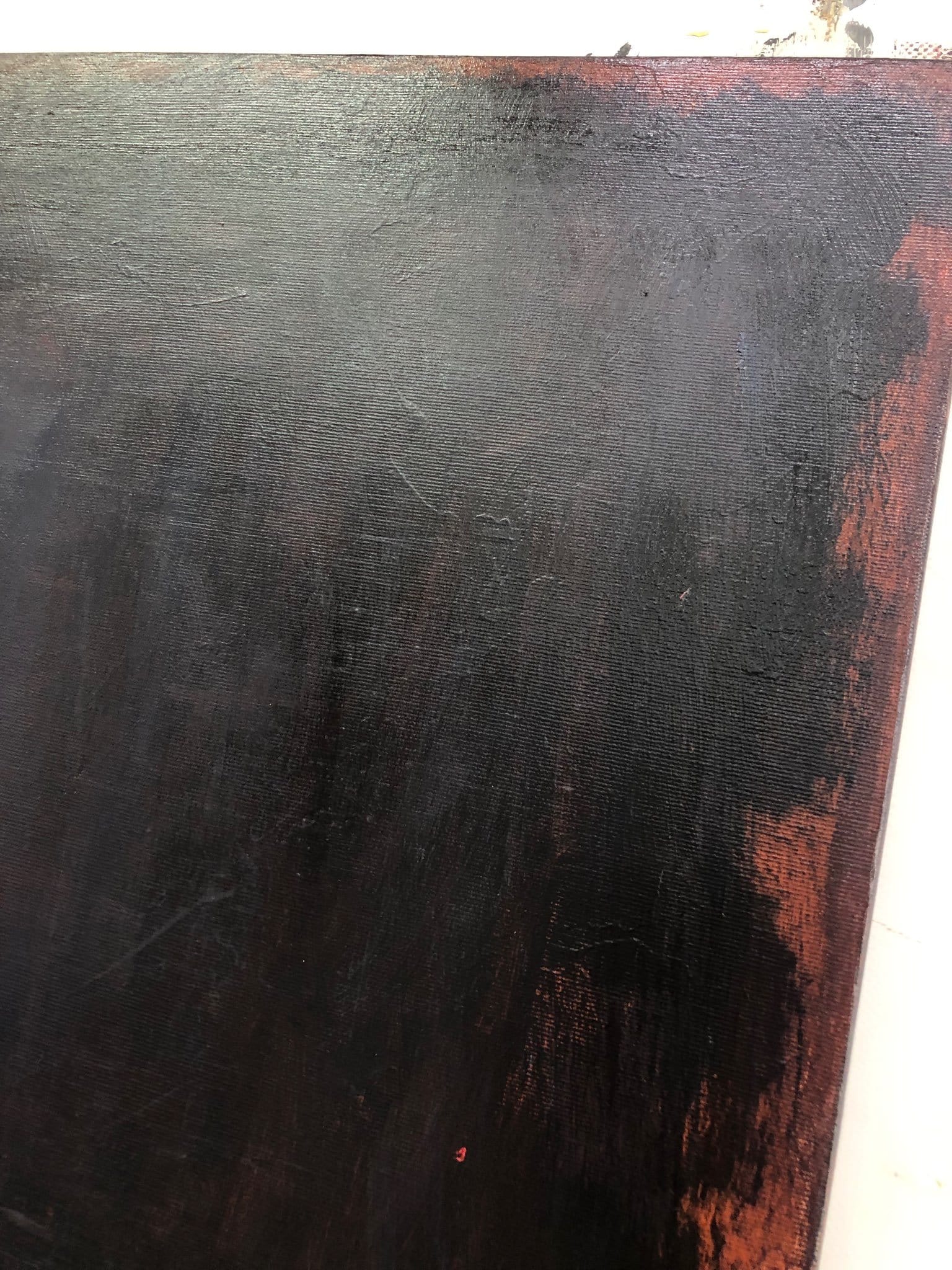
One of the main figures of abstract expressionism was the 1903-born American-Latvian painter Mark Rothko. Because of his creative use of color and shape, his art is renowned for having a strong emotional impact. With his expansive, absorbing canvases and delicately edged color rectangles, Rothko's distinctive style enables spectators to experience the emotional profundity of his creations. His art is more than just abstraction; it creates a spiritual and meditative place in which color generates intense sentiments of calm, tension, or even grief.
One of the most intriguing aspects of Rothko’s career is his deeply philosophical approach to art. He frequently referred to his paintings as "theatrical experiences," describing them as dramas rather than simply compositions. He believed that his color fields should encompass the viewer with emotional happenings rather than just visuals. Rothko insisted on his paintings being displayed low on the wall so that viewers could engage with them intimately. He was well-known for avoiding harsh lighting in displays, instead preferring dark, ambient light to enhance the emotional impact of his paintings.
Rothko was also heavily influenced by mythology and ancient history, which he thought let him connect with deeper human truths. His reading of Nietzsche's The Birth of Tragedy left an indelible impression on how he saw his art as a representation of universal human emotions. This conceptual foundation for Rothko's work allows it to go beyond basic aesthetics and interact with the most profound aspects of human existence.
Why are Rothko's paintings worth millions? 12 masterpieces that shaped modern art
Mark Rothko's paintings have gone beyond the art world, grabbing audiences with their emotional depth and innovative simplicity. But why are his works among the most valuable in history? What makes these abstract colored rectangles so valued, both emotionally and financially? Let's take a deeper look at 12 of Rothko's most famous paintings, examining how they transformed modern art and why they fetch such high sums at auction.
Later in this article, you’ll also discover just how much people are willing to pay for his masterpieces — some of which have sold for over $80 million. Rothko's ability to capture universal human emotions through abstract forms has made his works not only culturally significant but also financially sought after.
1. Black on Maroon (1958)

One of Rothko’s most iconic works, Black on Maroon, is part of the Seagram Murals series, originally intended for the Four Seasons Restaurant in New York City. The deep, somber hues create an overwhelming sense of isolation and introspection. The contrast between the black and maroon colors intensifies the emotional impact, making the viewer feel as though they are entering a contemplative void. Rothko’s decision to use dark, brooding tones in this piece reflects his deep exploration of the human condition. This mural can be viewed today at the Tate Modern in London, where it stands as a monumental example of Rothko’s darker phase.
2. No. 61 (Rust and Blue) (1953)

No. 61 (Rust and Blue) is a stunning example of Rothko's ability to elicit emotion via color. The vibrant rust and blue tones, laid over gentle edges, creating a dynamic contrast that is both strong and soothing. Rothko thought that color could be a medium for pure emotion, and this painting is a stunning demonstration of that belief. The contrast of these colors causes tension, but the painting's huge scale allows viewers to feel wrapped by the tranquility that lies under the surface. This piece is currently housed at the Museum of Contemporary Art in Los Angeles.
3. Orange, Red, and Yellow (1961)

This vibrant work, Orange, Red, and Yellow, is one of Rothko’s more joyful and energetic pieces. The bright, warm colors radiate optimism, offering a stark contrast to his darker works. The painting’s layered rectangles of color create a glowing effect, pulling the viewer into a warm, inviting atmosphere. One of the most expensive paintings ever sold, this artwork went for $86.9 million at Christie's in 2012, demonstrating the high demand for Rothko's work in the art market. It is still among the most sought-after paintings in the world because it is currently housed in a private collection.
4. No. 1 (Royal Red and Blue) (1954)

No. 1 (Royal Red and Blue) exemplifies Rothko's mastery of color layering. The bright blue and red colors appear to vibrate with intensity, while the smooth edges of the rectangular forms provide the sculpture a meditative feel. The viewer is invited to fully immerse themselves in the painting's vibrant color scheme and experience both the tranquility and vitality of Rothko's vision. At auction, No. 1 brought in an incredible $75.1 million, solidifying Rothko's status as a modern art legend. It now belongs to a private collection, however it is occasionally displayed at prominent museums throughout the globe.
5. White Center (Yellow, Pink, and Lavender on Rose) (1950)

White Center (also known as Yellow, Pink, and Lavender on Rose) is one of Rothko's most famous and expensive works, renowned for its superb use of gentle, delicate hues. The central white rectangle is surrounded by bright bands of yellow, pink, and lavender, resulting in a beautiful equilibrium that feels almost otherworldly. This piece sold for $72.8 million in 2007, demonstrating Rothko's continued popularity among collectors. It is now part of the Qatar Royal Family's private collection and is rarely displayed in public.
6. No. 6 (Violet, Green, and Red) (1951)

One of Rothko's most remarkable uses of conflicting colors to convey emotion is No. 6 (Violet, Green, and Red). The vivid green gives movement and intensity when paired with the deep violet and scarlet tones. This painting was sold privately for an amazing $186 million, making it one of Rothko's most expensive works ever sold. The sale of this artwork demonstrates the enormous value that Rothko's work carries in the world of high-end art collecting. It is now kept in a private European collection.
7. No. 14 (1960)
No. 14 is one of Rothko's most famous paintings, consisting of big blocks of dark and light red separated by a thin black line. The painting exudes intensity and gloom, eliciting strong emotions. This work depicts Rothko's later time, when he began to explore darker, more melancholy subjects. It's an excellent illustration of Rothko's ability to portray complicated emotions through the simple layering of color. Today, this masterwork can be seen at the San Francisco Museum of Modern Art.
8. Untitled (Black on Gray) (1969)

Untitled (Black on Gray), one of Rothko's final significant pieces, departs from his previous use of vivid color. Rather, he concentrated on the contrast between gray and black, producing a stark, minimalist piece that alludes to death and emptiness. The simplicity of the black and gray rectangles reflects Rothko’s shift toward darker, more contemplative themes late in his life. This piece is often seen as a reflection of Rothko’s own emotional state in the years leading up to his death in 1970. It is currently held in the collection of the National Gallery of Art in Washington, D.C.
9. Four Darks in Red (1958)
Rothko extended his obsession with darker tones in Four Darks in Red. Four enormous, black rectangles are arranged against a deep crimson background in the picture to create a tension-filled yet serene atmosphere. This painting demonstrates Rothko's skill in using dark hues without overpowering the viewer. Rather, the somber tones elicit a feeling of peaceful reflection, encouraging the observer to ponder the feelings underlying the hue. In New York City, this piece is presently on display at the Whitney Museum of American Art.
10. No. 10 (1950)
One of Rothko's early pieces in his trademark style of huge, floating rectangles of color is No. 10. The soft hues of green, yellow, and gray produce a calm, contemplative ambiance. The artwork has a dreamlike character because of the subtle edge blending, which invites viewers to immerse themselves in the vibrant fields of color. Like many of Rothko's paintings, this one encourages introspection and emotional engagement. It is presently on display in the Museum of Modern Art's (MoMA) collection in New York City.
11. Red on Maroon (1959)
Another piece from the Seagram Murals series, Red on Maroon explores the relationship between red and dark maroon tones. Rich, dark hues produce a strong, almost oppressive atmosphere. The darker emotions that Rothko frequently addressed in his later work are reflected in these murals, which he wanted to suggest a sense of being confined or enclosed. This mural and others from the series are on display at London's Tate Modern.
12. No. 3 (Magenta, Black, Green on Orange) (1949)

Rothko's early experiments with color are displayed in No. 3. A dynamic composition that feels both playful and intense is created by the vivid magenta, black, and green set against an orange background. A turning point in Rothko's career is represented by this work, as he started to shift from figurative painting toward the abstract color fields that would come to characterize his legacy. In New York City, it is currently a part of the permanent collection of the Guggenheim Museum.
Why Are Rothko’s Paintings So Expensive?
Rothko’s ability to convey deep emotion through simple color forms has made his work some of the most valuable in modern art. His paintings invite viewers to immerse themselves in color, offering a personal and emotional experience that is unique to each individual. The simplicity of his work masks the complexities of the emotions it inspires, making Rothko's work ageless.
Many of his paintings have been exhibited at prestigious institutions such as the Museum of Modern Art in New York and the Tate Modern in London, where his Seagram Murals are permanently displayed. His works have not only altered modern art but have also sold for record-breaking sums, with private collectors and institutions wanting to acquire a piece of his legacy. From White Center to No. 6, Rothko's works are still admired and sought after, with some selling for more than $100 million. This extraordinary demand demonstrates Rothko's emotional intensity and his long-lasting impact on the realm of abstract expressionism.
Can TrendGallery Capture the Emotional Depth of Rothko’s Abstract Paintings?
TrendGallery stands at the forefront of abstract art, drawing inspiration from the emotional power of Rothko’s famous works. Our Rothko-inspired pieces evoke the same depth and intensity through carefully blended color fields and subtle textures!
Why TrendGallery’s Abstract Art Fits Modern Spaces?
Want to bring refinement and emotional depth to your house or office? TrendGallery creates custom abstract works to meet the unique needs of modern homes, offices, and hospitality spaces, assisting in the creation of atmospheres that balance calm with visual impact. Imagine a strong, abstract color field painting developed just for your space, evoking peace and introspection while adding a touch of elegance! TrendGallery’s bespoke approach ensures that each painting aligns with your space’s mood and aesthetic vision, providing art that speaks to the soul!
Mark Rothko's paintings have had a lasting impact on the art world, altering how we see color, form, and emotion. His ability to portray deep, personal experiences through abstract fields of color has influenced many artists, including those at TrendGallery. Our Rothko-inspired paintings provide a sense of calm, reflection, and refinement to any space. Are you prepared to enhance your living space with magnificent, meaningful artwork? Explore TrendGallery's collection to find the perfect piece to update your room!